Understanding Earth Chemistry and Acidity Levels
Whether your garden beds are primarily heavy clay, loosely sandy, bone-dry, or deeply waterlogged, there is a hidden metric you simply cannot ignore: the chemical acidity. Understanding the natural makeup of your dirt is a foundational skill for cultivating a thriving landscape. Grounds generally fall into three distinct categories based on their chemical balance: acidic, neutral, and alkaline.
Here is a quick breakdown of the standard acidity scale:
- Below 4.5: Strongly acidic
- 4.5 to 5.5: Acidic
- 5.6 to 6.5: Slightly acidic
- 6.6 to 7.2: Neutral
- Above 7.3: Alkaline
Interestingly, a vast majority of natural terrains lean heavily toward the acidic side of the spectrum. As any experienced grower knows, this chemical balance is never a permanent fixture. It can easily shift within a single growing season. Environmental factors like acid rain, along with the heavy application of compost, animal manure, or green cover crops, naturally drive acidity up and drop the overall pH levels over time.
Effective Ways to Test Your Garden Beds
Every single plant species thrives under specific conditions, requiring a tailored mix of physical texture and chemical balance. If you want to harvest an abundance of fresh fruits and vegetables, or cultivate vibrant ornamentals, matching the earth’s acidity to your specific crop is absolutely essential.
When starting a fresh garden plot, a clever trick is to simply observe the wild weeds already thriving on the property. These wild indicator species reveal a surprising amount of information about the ground below. For instance, land rich in field sorrel, common daisies, wild clover, and lingonberries strongly suggests a sour, highly acidic environment. Conversely, if you spot broadleaf plantain, field pansies, creeping bellflower, or petty spurge, you are likely dealing with an alkaline base.
However, this visual method is merely a rough estimate and simply won’t be accurate in established, frequently worked garden beds. For the absolute highest precision, sending a sample to a professional regional agricultural testing lab will give you a comprehensive breakdown of both exact acidity and essential mineral content.
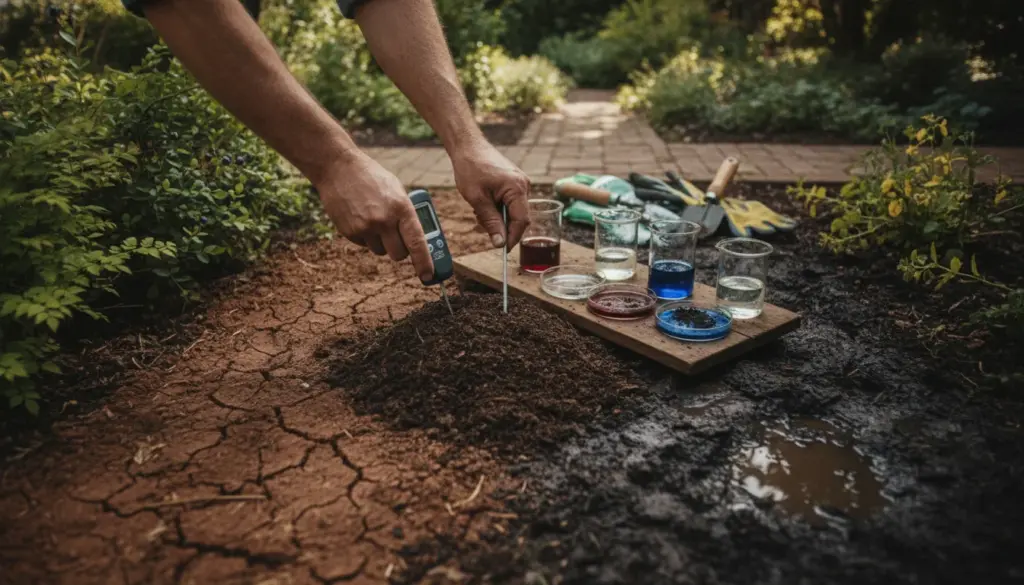
If you prefer a hands-on approach, you can easily evaluate your dirt at home using a few common tools:
- Electronic testing probes found at local nursery centers
- Liquid chemical acid-testing kits
- Standard universal litmus paper strips
- Monitoring specific indicator plants already growing in your yard
Liquid test kits involve mixing a small pinch of dirt with a reactive fluid and comparing the resulting hue against a provided chart. If you are looking for the most budget-friendly route, standard litmus strips work perfectly. Just create a muddy slurry using your soil and some distilled water, dip the testing strip right into the suspension, and match the resulting color change to the packaging scale.
Matching Your Plants to the Perfect Environment
The vast majority of botanical life prefers settling into a neutral or just slightly acidic foundation. When the ground becomes excessively sour, it unlocks high concentrations of manganese, iron, and aluminum. In large doses, these heavy elements severely damage delicate root systems. This toxic environment blocks the natural absorption of vital moisture and nutrients, ultimately resulting in stunted harvests, dying stems, and a heightened vulnerability to devastating pathogens like onion downy mildew or cabbage clubroot.
Furthermore, the chemical balance directly dictates how fast organic materials break down, which intimately controls the overall long-term fertility of your beds.
Since every vegetable, fruit tree, and decorative flower has unique dietary preferences, tailoring your terrain’s chemistry guarantees spectacular blooms and bumper crops. For example:
- Pumpkins, apple trees, and begonias flourish perfectly when the readings sit safely between 6.2 and 6.7.
- Beloved garden staples like potatoes and tomatoes actually prefer a slightly sharper bite, thriving best in a slightly more acidic 5.5 to 6.2 range.
Before laying out new garden beds or planting delicate seeds, always cross-reference the exact preferences of your chosen varieties against your recent testing results.
Fixing Imbalances and Improving Quality
Thankfully, your garden’s chemical profile is manageable and easily corrected. If your tests reveal an excessively sour environment, a traditional agricultural practice known as liming will bring the numbers back to an ideal state. You can easily fix this imbalance by incorporating fertilizer chalk or commercially available de-acidifying treatments designed specifically for garden use.
Just remember to allow a proper waiting period between applying the lime and actually putting new plants in the ground. Always stick strictly to the manufacturer’s recommended dosages, as dumping too much calcium into the earth will completely ruin its structural integrity and actively harm your crops.
On the flip side, if you need to push the numbers down to create a sourer environment, seasoned gardeners rely on mixing in natural acidic peat or potent poultry manure. You can also pick up specialized acidifying fertilizer blends formulated specifically for acid-loving favorites like heathers, vibrant azaleas, and blueberry bushes.