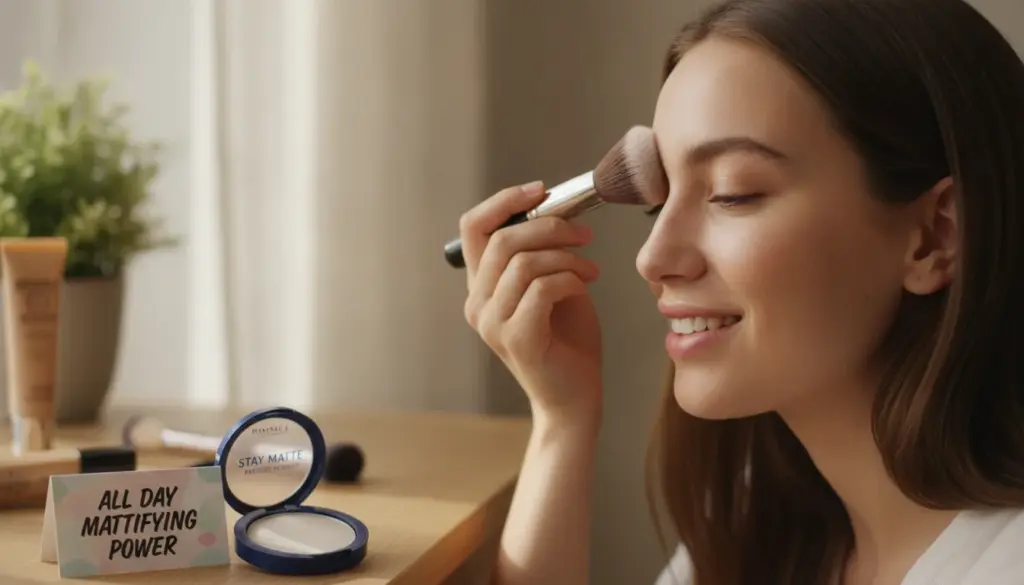
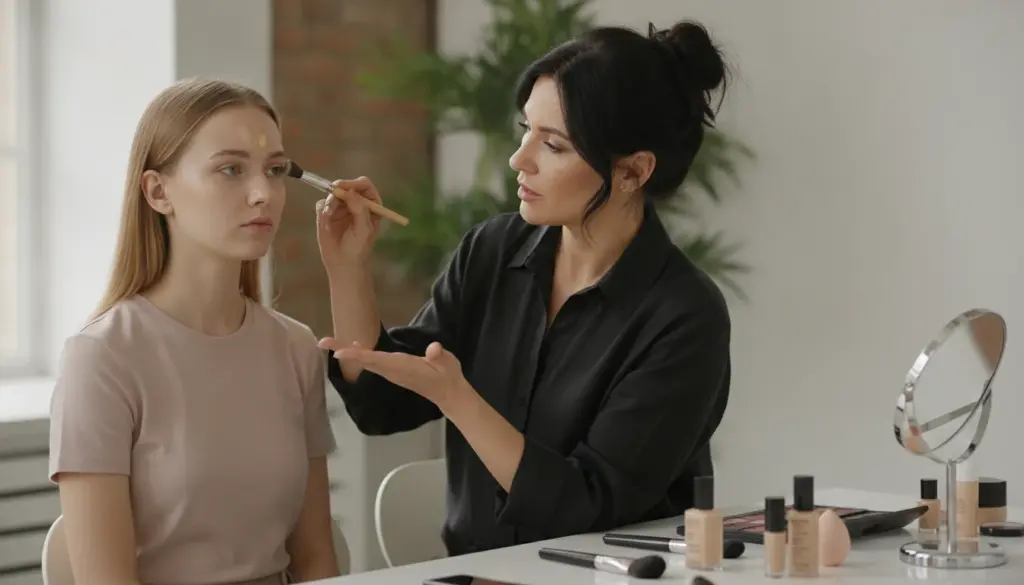
Achieving a flawless base seems straightforward—just pump out some product, blend it out, and go. However, that dreaded midday makeup breakdown is a universal struggle characterized by a shiny nose and a streaky forehead. According to an industry professional with two decades of hands-on experience, the culprit usually isn’t your formula. Instead, the cosmetic disaster stems directly from your placement technique.
Why Less Foundation Often Looks Better
Most people treat their base makeup like a magic eraser, attempting to obliterate every breakout, dull patch, and dark spot. This naturally leads to slathering a uniform, heavy layer across the entire face. It provides a false sense of security, built on the myth that maximum coverage equals zero imperfections.
In reality, an expert eye reveals that your complexion appears significantly more youthful and radiant when coverage varies by zone. Blanketing your skin completely only draws attention to its natural texture. Fine lines, enlarged nasal pores, and dry patches are absolute magnets for heavy liquids. Within a few hours, that thick mask highlights the exact flaws you desperately wanted to camouflage.
The Exact Area Where Base Makeup Fails
Professionals consistently identify the classic T-zone—encompassing the forehead, nose, and chin—as the primary danger zone. This central region operates entirely differently than your cheeks for several biological reasons:
- The skin naturally generates a much higher volume of sebum.
- Pores tend to be significantly wider and more prominent.
- Unwanted grease and shine surface here first.
- Expression wrinkles across the forehead are easily magnified.
Slapping a full dose of base on these high-traffic areas almost guarantees a rapid meltdown. When excess facial oil mixes with a thick product layer, the makeup inevitably slides around, settles into deep crevices, and creates a slick finish. If you constantly find yourself piling on loose powder to combat nose shine, you are likely applying way too much liquid underneath.
Ultimately, this heavy-handed approach leaves you with a highly reflective forehead and an obvious makeup border around your hairline or nostrils. Instead of looking airbrushed, every single pore becomes distinctly visible.
The Professional Trick for Distributing Coverage
This seasoned technique is remarkably straightforward, yet it completely defies typical beauty routines. Rather than painting your face evenly like a blank canvas, you must strategically target specific zones to achieve a natural glow.
Step 1: Prioritize the Lower Face and Cheeks
Start your routine by dispensing just a tiny drop of liquid foundation. Focus on blending this initial, lightweight amount exclusively onto your:
- Cheeks
- Lower chin
- Jawline