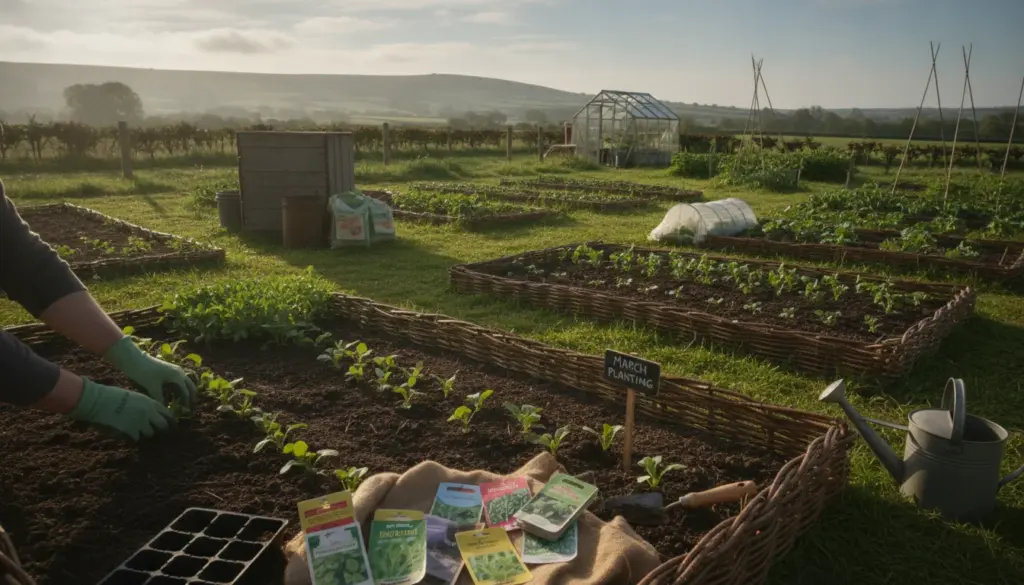
March officially kicks off the spring season, making it a pivotal month for your vegetable patch. As daylight hours stretch out and temperatures slowly climb, the dormant winter soil finally begins to wake up. This is the ideal window to map out your beds, initiate early sowing, and condition the earth to guarantee a bountiful harvest in the coming months.
What to Plant and Sow During March
This transitional month allows you to seamlessly blend the last of your late-winter crops with the very first spring varieties. However, you must always keep your local microclimate in mind. Frost remains a very real threat in colder growing zones, which can significantly narrow down your current planting options.
When it comes to direct sowing outdoors, you will want to focus heavily on cold-hardy species. These rugged vegetables have no trouble germinating in soil that hasn’t fully warmed up yet:
- Carrots: Highly productive and surprisingly straightforward to cultivate.
- Radishes: Incredibly versatile, making them perfect for rapid spring harvests and ongoing summer snacking.
- Beetroots: Often overlooked by beginners, yet they offer a deeply rewarding growing challenge.
- Spinach: An absolute staple for early beds that fills out rapidly and densely.
- Swiss chard: Much like its leafy cousins, this crop yields heavily with minimal fuss.
- Peas: While they might demand a touch of extra attention, they pay you back with delicious, heavy yields.
- Broad beans: An undeniable must-have for your early spring planting schedule.
March is also an excellent timeframe for getting these specific crops into the ground:
- Early potatoes
- Onions
- Garlic (assuming you didn’t already plant it last autumn)
- Lettuce
Starting Seeds Under Cover
Utilizing a protected seedbed, polytunnel, or mini-greenhouse is a fantastic strategy to jumpstart your frost-sensitive varieties. By germinating seeds in these cozy, sheltered environments, you can nurture the young seedlings until they are robust enough for outdoor transplanting.
The most popular candidates for indoor or covered sowing this month include:
- Tomatoes: The ultimate crown jewel of any summer garden.
- Peppers
- Aubergines
- Courgettes
- Cucumbers
Adopting this method ensures that by the time warmer weather permanently settles in around April or May, your plants will be vigorous and completely prepared for their final outdoor location.
Crucial March Maintenance Tasks
Beyond simply pushing seeds into the dirt, this period requires intense preparation and early maintenance routines. The amount of elbow grease you invest right now directly dictates the success of your future summer harvests.
Prepping the Soil
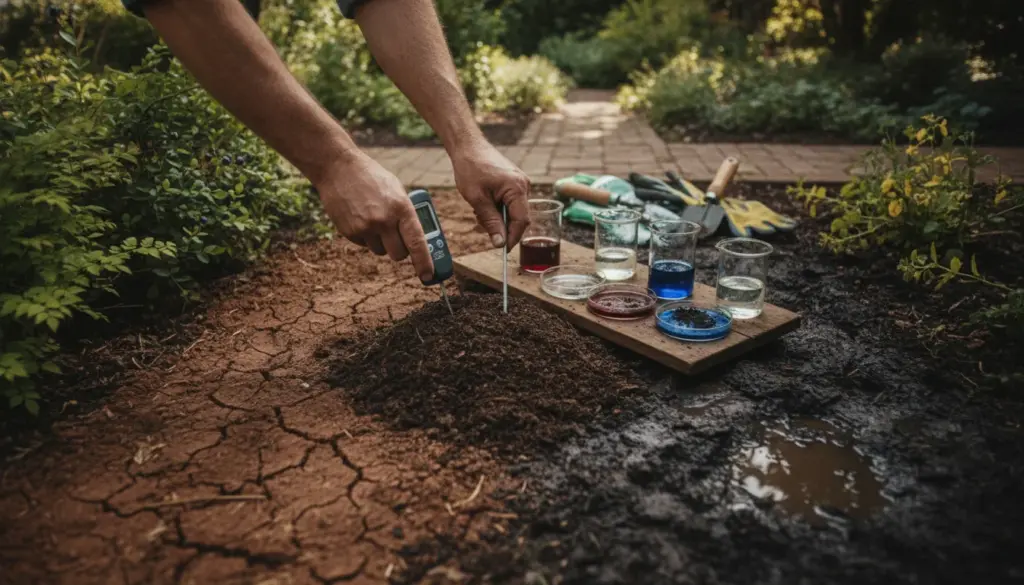
Coming out of the freezing months, lightly loosening the top layer of your garden beds is highly recommended. Try to avoid aggressively turning over deep clods; the goal is simply to refine the structure so tender young roots can easily push through.
Now is also the perfect opportunity to fold in aged compost or well-rotted manure, establishing a rich nutrient baseline for the active growing season ahead.
Tackling Early Weeds
As the thermometer inches upward, aggressive weeds will inevitably spring to life. Pulling them out immediately is essential so they cannot steal valuable moisture and nutrition from your chosen crops.
Applying a thick layer of mulch—such as dried grass clippings, straw, or bark—works wonders here. Mulching smothers unwanted growth while simultaneously locking precious hydration into the earth.
Checking Irrigation Systems
Before the real heat arrives, take an afternoon to inspect your watering infrastructure. Flushing out clogged filters, testing water pressure, and examining drip lines will save you massive headaches later when your thriving plants demand constant hydration.
Companion Planting Strategies
This is the optimal point to finalize your bed layouts with companion planting in mind. Placing mutually beneficial vegetables side-by-side maximizes limited space while naturally repelling common garden pests.
A classic example is pairing onions with carrots. Their combined aromatic profiles expertly confuse and deter specific unwanted insects from invading your crop.
Guarding Against Sudden Frosts
Even though the calendar officially says spring, unexpected cold snaps are a harsh reality. Newly sprouted seedlings are extraordinarily vulnerable to sudden freezes.
Always keep horticultural fleece, cloches, or lightweight row covers easily accessible. If a frost warning is issued, you will be able to rapidly insulate your vulnerable beds without panicking.
March: The Month That Defines Your Season
For any serious grower, this month represents the true launch of the gardening year. It is a vital transitional phase heavily focused on preparation, clever layout choices, and those critical early sowings that ultimately shape your mid-summer bounty.
Dedicating your energy to the garden right now exponentially boosts your harvest potential while helping you truly connect with the growing process. With smart organization and tailored plant care, March transforms into a period where brilliant ideas blossom just as vividly as the seeds buried in the soil.