
A Gentle Alternative for Silver Strands
Spotting those initial silver threads might make you anxious about expensive salon visits or harsh chemical treatments. Fortunately, ordinary black tea serves as an excellent, budget-friendly DIY solution to progressively blend away grays. This gentle method enhances your natural hair shade without exposing your sensitive scalp to aggressive formulas.
Understanding Why Our Hair Loses Its Color
Why do our locks lose their vibrant hue in the first place? Going gray is a completely normal biological shift that typically begins around age 35, although your specific genetic makeup might speed up the timeline. The underlying cause is simply a drop in melanin production.
Once the specialized cells responsible for generating this vital pigment become sluggish, your strands transition to white or silver. Before committing to permanent boxed dyes, exploring milder, body-friendly alternatives is a highly recommended first step.
Creating Your Botanical Colorant at Home
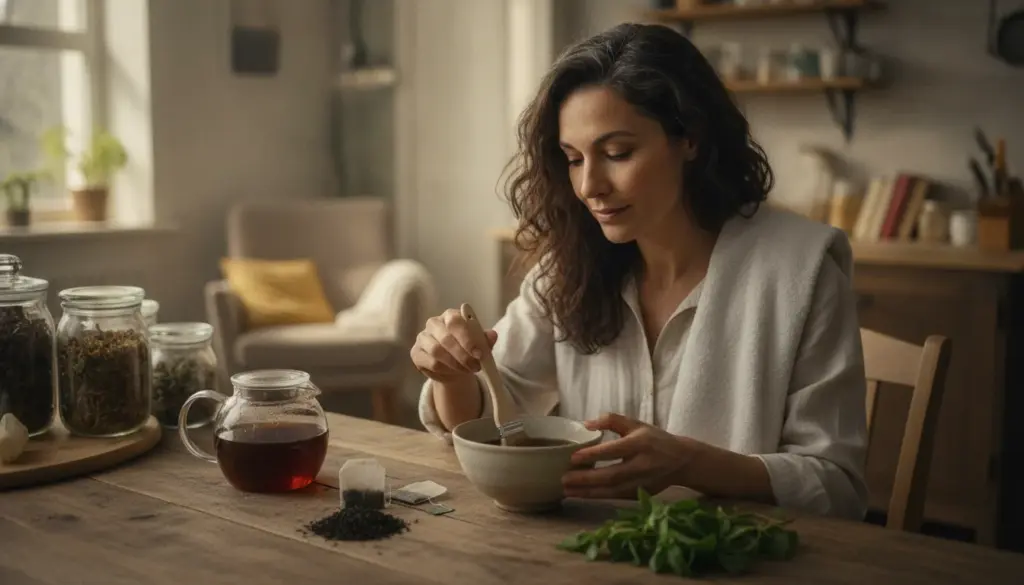
Black tea contains rich, deep pigments that naturally deposit a darker tint onto the hair shaft. Creating this restorative rinse in your own kitchen requires nothing more than three black tea bags and three cups of water.
The preparation is incredibly straightforward. Simply steep the tea in boiling water, then allow the brew to cool down entirely to room temperature. Thoroughly saturate your locks with the liquid, paying extra attention to the most prominent silver patches.
Allow the mixture to sit undisturbed for about 20 minutes so the botanical color can properly penetrate the hair cuticle. Finally, gently wash it out using lukewarm water.
Expert Enhancement Strategy
Professional tip for better results: While brewing your tea, toss in a tablespoon of dried rosemary or sage. These specific botanicals create a powerful synergy with the tea’s natural compounds, ultimately providing much stronger coverage for stubborn silver strands.
The Hidden Downsides of Commercial Kits
Many traditional hair coloring kits rely on harsh ingredients that can cause genuine concern with frequent use. The most common offenders found on labels are aminophenols and paraphenylenediamine (PPD). While these chemical compounds ensure long-lasting color payoff, they are notoriously tough on delicate skin.
Research indicates that in very rare instances, these potent synthetic chemicals might absorb into the bloodstream and potentially tax your kidneys. Furthermore, susceptible individuals occasionally experience severe allergic responses, including breathing difficulties, unexpected fatigue, or facial swelling. This reality makes exploring non-toxic coloring options incredibly worthwhile.
Best Practices for Healthy Hair Coloring
If you ultimately prefer using manufactured products over DIY recipes, always prioritize formulas with gentle ingredient profiles, such as natural henna or ammonia-free dyes. Regardless of the specific product you select, you must always perform a preliminary patch test.
Applying a tiny amount of the mixture to your inner wrist or behind your ear is a quick precaution that can easily save you from a highly uncomfortable allergic reaction. When applying any color at home, protect your hands with high-quality gloves and ensure you rinse your scalp meticulously afterward.
Keep in mind that external treatments are only half the battle. Maintaining gorgeous, youthful hair also requires proper internal hydration and a nutrient-dense diet packed with essential vitamins. While utilizing a black tea rinse demands a bit of patience for gradual results, your locks will undoubtedly reward you with vibrant health and an incredible, natural shine.