Discovering the Egyptian Loofah
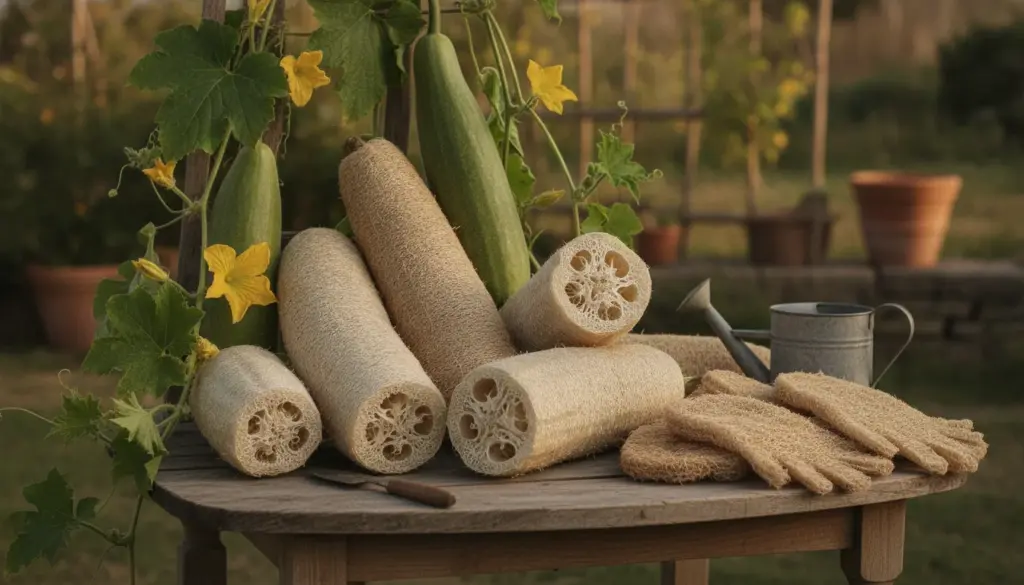
Have you ever wondered exactly what makes this versatile household staple so special? This entirely natural botanical product originates from the fully ripened fruits of Luffa aegyptiaca, a vigorous climbing vine belonging to the gourd family. Reaching impressive lengths of roughly 50 centimeters, these striking fruits bear a strong resemblance to oversized zucchinis. While the species thrives naturally across Asia and Africa, specimens cultivated in Egypt are particularly prized for their premium structural quality.
Through careful processing, the inner pulp of the fruit is stripped away, revealing a tightly woven, fibrous core. Because this traditional preparation involves minimal human interference—remaining completely free from artificial dyes, synthetic fragrances, or harsh preservatives—the resulting sponge is entirely hypoallergenic and fully biodegradable.
Its remarkable cellular structure excels at water absorption. Although rigid and dry at first glance, the plant fibers rapidly swell and soften upon contact with moisture. This unique characteristic makes it a household favorite for gently exfoliating dead skin cells in the shower, as well as a fantastic sustainable substitute for synthetic dish scrubbers. Once it eventually reaches the end of its lifespan, you can simply toss it into your compost bin or repurpose it directly into your backyard.
Eco-Friendly Household Cleaning
Transitioning to sustainable house cleaning is remarkably easy with this natural tool. The mildly abrasive, textured fibers lift stubborn grime effortlessly while remaining gentle enough to prevent scratching delicate surfaces. It performs exceptionally well during dishwashing duty, easily tackling hardened food remnants stuck to plates, cutting boards, and cooking pots, keeping your kitchenware in pristine condition.
Beyond the kitchen sink, it serves as an excellent scrubber for dining tables, stovetops, and countertops. By simply dampening the fibers and adding a tiny drop of detergent, you can quickly banish greasy residues and stubborn spills. The bathroom is another area where this plant-based scrubber truly shines. It effectively clears away stubborn soap scum and hard water deposits from bathtubs, grout lines, bathroom fixtures, and ceramic tiles. Utilizing this natural alternative often drastically reduces the necessity for harsh chemical cleaners, creating a safer environment for your family.
Maintenance is incredibly straightforward and waste-free. After finishing your chores, just rinse the fibers thoroughly and allow them to air dry completely. With rigorous daily use, a single piece will typically last around two to three weeks before wearing out. Embracing a zero-waste philosophy, you can simply discard the exhausted scrubber straight onto your compost pile when you are done.
Clever Gardening Applications
The usefulness of this remarkable gourd extends well beyond interior chores. When dried and chopped into smaller pieces, it becomes a phenomenal soil amendment. Blending these shredded fibers into your garden beds enhances aeration and boosts soil drainage. This improved underground structure encourages robust root development while simultaneously acting as a vital moisture reservoir during unexpected dry spells. As the organic material slowly decays over time, it naturally enriches the earth with valuable humus.
Tossing a worn-out sponge into your compost bin offers fantastic benefits for the decomposition cycle. It functions as a carbon-rich brown material, perfectly balancing out the heavy moisture and nitrogen levels provided by fresh green yard waste. This strategic addition keeps your compost pile well-aerated and prevents it from turning into a soggy, compacted mess. Just ensure you have thoroughly rinsed away any lingering dish soap or household cleaners before tossing it in to avoid chemical contamination.
Interestingly, an intact, hardened loofah can even be utilized as a structural support in your vegetable patches. The heavily textured, gripping surface provides the perfect climbing framework for vining plants like cucumbers and beans that require a sturdy trellis. Alternatively, you can hollow out small sections to craft fully biodegradable seedling pots. Once your young sprouts are ready for the outdoors, simply bury the entire organic container directly into the soil.