Why You Need to Be Extra Careful With Chicken
Poultry remains one of the most popular proteins on our dinner plates. It offers incredible kitchen versatility, delivers highly absorbable protein, keeps calorie counts manageable, and is quite budget-friendly. However, this widely loved bird requires a bit of special handling.
Because raw poultry spoils incredibly fast and reacts poorly to improper storage, it is always best to purchase it in small, immediately usable quantities. If you do happen to stock up, you should promptly divide the bulk purchase into manageable portions and stash them in airtight freezer containers to preserve their freshness.
Crucial Details to Check Before Buying Poultry
Whenever you are picking out your next meal, paying close attention to specific quality indicators can save you from a culinary disaster. Here is exactly what you should evaluate at the store:
- Meat origin: Always opt for poultry that comes from verified, legal farming operations. You can easily find the producer’s details right on the packaging label. If you are buying loose pieces from a deli counter without clear wrapping, never hesitate to ask the butcher for the farm’s background and vital tracking information.
- Where you shop: The vendor matters immensely when it comes to hygiene and origin guarantees. Traditional supermarkets generally maintain strictly controlled refrigerated environments. Conversely, exercise heightened caution at open-air markets, roadside stalls, or private slaughter sellers. These locations frequently lack verifiable meat inspections and rigorous cooling standards.
- Use-by dates: Individually wrapped cuts will prominently display a strict consumption deadline. Even under ideal refrigeration, raw chicken only stays safe for a very brief window. While certain advanced packaging techniques might extend this timeline slightly, you must always verify the printed date. For unlabelled loose meat, ask the vendor when it arrived and rely heavily on your own visual judgment.
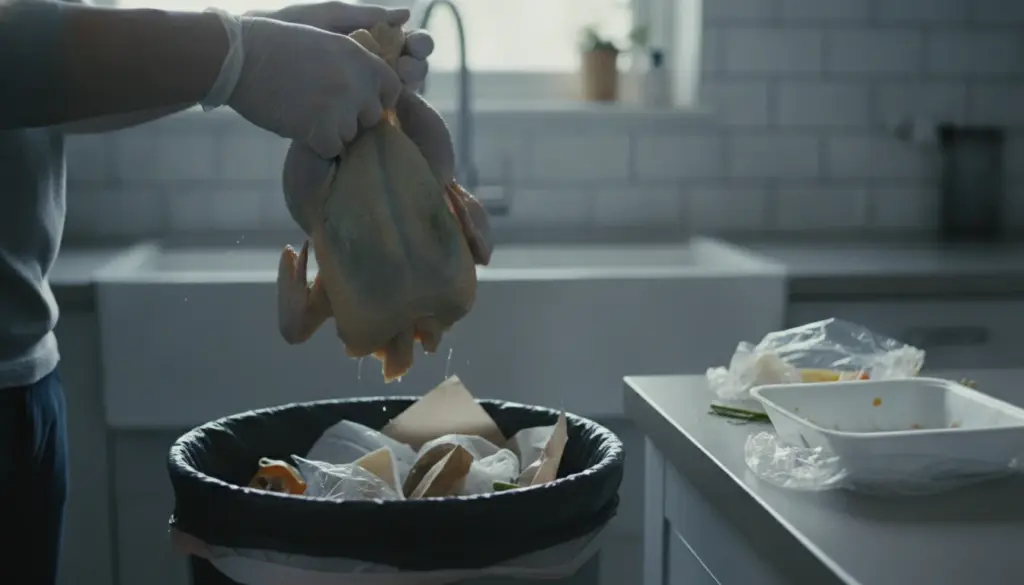
- Smell and visual cues: A fresh cut must feel firm, feature a dense texture, and boast a pleasant light pink hue. Steer clear of anything looking exceptionally pale, almost white, or sporting a greenish tint. Scent is equally critical—truly fresh poultry is virtually odorless. If you detect a sweet, sour, or intensely unpleasant aroma, put the chicken down immediately. That is an undeniable sign the meat belongs straight in the garbage.
- Ingredient list: Take a quick moment to scan the label for unnecessary extras like marinades, flavor enhancers, or chemical preservatives. Your absolute safest bet is a product containing strictly 100% chicken with zero artificial additives.
Smart Storage and Safe Prep Practices at Home
The moment you step through your front door, transfer the meat directly into the refrigerator inside a securely sealed container. This crucial step halts bacterial growth and prevents dangerous cross-contamination with your other fresh groceries.
When it is time to cook, always use a plastic cutting board. Plastic surfaces are incredibly easy to scrub and sanitize thoroughly. Wooden boards, on the other hand, are highly porous. They absorb moisture, trap lingering odors, and can harbor harmful bacteria deep within their microscopic crevices, making them a terrible choice for raw meat preparation.
Finally, if you brought home a family-sized pack, break it down right away. Divide the larger batch into single-meal portions, seal them tightly, and toss them straight into the freezer. This smart habit makes future meal prep a breeze while ensuring your poultry never sits in the fridge long enough to spoil.