
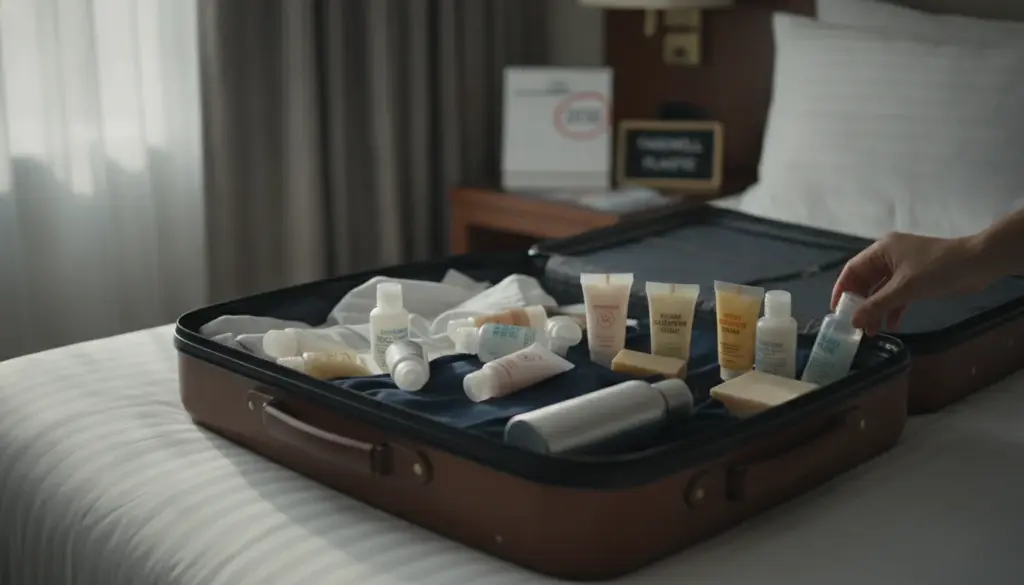
The end of an era for tiny toiletries
We all know the familiar routine. Right before checking out, those adorable little bath bottles mysteriously find their way into your suitcase. While snagging these tiny souvenirs has become a beloved travel tradition, this habit is rapidly approaching its expiration date.
Understanding how this sweeping shift impacts your upcoming getaways is essential for properly packing your toiletry bag. You certainly want to avoid any unwelcome surprises right before stepping into the shower.
This quirky tourist ritual officially has a hard deadline: the year 2030. According to a massive legislative push from the European Union, single-use hygiene packaging will completely vanish from all accommodation facilities. The European Commission has drawn a strict line in the sand.
Starting January 1, 2030, supplying those familiar miniature cosmetic formats in hotel bathrooms will be strictly prohibited across the entire EU.
The driving force behind the plastic ban
The ban goes far beyond just tiny body washes. It targets every comparable micro-format currently offered to guests. The underlying goal here is incredibly straightforward. Authorities want to drastically slash our reliance on single-use plastics and significantly shrink the massive mountain of packaging waste generated by the tourism industry.
This sweeping environmental revolution stems from EU Regulation 2025/40, which heavily targets waste management and packaging protocols. While these foundational rules quietly took effect at the dawn of 2025, their mandatory rollout across all member states is slated for August 2026. In reality, this widespread transition is already actively unfolding across the continent.
Despite this aggressive timeline, certain localized restrictions—like the hotel miniature ban—were intentionally delayed. Brussels crafted this buffer period to ensure the hospitality sector has adequate time to adjust their operations. Lawmakers aren’t just looking to eliminate garbage; they are actively pushing for reuse and recycling. By standardizing these laws, they prevent individual nations from implementing scattered, chaotic rules of their own.
What exactly is disappearing from your bathroom?
When it comes to global travel, this regulatory text takes direct aim at sectors responsible for astronomical waste generation. Unsurprisingly, restaurants and hotels sit squarely in the crosshairs. The primary targets of this crackdown are defined as “single-use packaging” designed for toiletry and cosmetic items.
The official annex specifically highlights miniature shampoo bottles, tiny body lotion tubes, and small soap sachets. Put simply: the complimentary items that guests typically use halfway or sneak into their luggage will completely drop out of the hospitality playbook.
But don’t panic just yet—you won’t be left without cleansing options. Larger capacity dispensers will remain perfectly legal. A massive number of forward-thinking hotels have already adopted these refillable systems, which aligns seamlessly with the core philosophy of waste reduction. Get used to seeing a large bottle securely bolted to the shower wall or resting permanently by the sink. We are simply witnessing a shift in format, not a total loss of amenities.
There is one specific detail that might catch you off guard. Traditional bar soaps aren’t automatically exempt from this rule if they come encased in single-use wrappers meant for just one guest. The actual soap isn’t the problem; the issue lies entirely with the disposable packaging. Consequently, wrapped sachets are facing intense scrutiny, regardless of whether the product inside is liquid or solid.
Pro-level packing and airport changes
Expert tip: Consider investing in a premium set of reusable, BPA-free silicone travel bottles right now. By doing this, you will effortlessly stay ahead of these legal shifts. More importantly, you can pack your own trusted skincare essentials rather than relying on generic hotel formulas that frequently leave your skin feeling dry and tight.
Interestingly, this exact same eco-friendly philosophy extends to other sweeping bans scheduled for 2030. One fascinating change directly impacts the airport experience. The thick plastic film that cautious travelers use to tightly wrap their suitcases is also slated for elimination.
The European Union explicitly mandates a total ban on single-use stretch film effective January 1, 2030. The overarching objective remains identical. Lawmakers are determined to dismantle the “use and toss” culture in transit hubs where garbage piles up at staggering rates.
What about your favorite travel-sized cosmetics?
This brings up a highly practical concern. Will you still be able to grab those convenient miniature toiletries at the drugstore before a flight to comply with carry-on liquid limits?
Fortunately, the legal boundaries here are a bit more nuanced. Industry associations and legal experts currently suggest that classic travel formats sold directly to retail consumers aren’t the primary target of this specific ban. Nevertheless, the final detailed guidelines will ultimately dictate how manufacturers package these goods moving forward.
Truthfully, we are bidding farewell to a distinct era of globetrotting. Decades from now, our children might look at us with absolute bewilderment when we explain that tiny shampoo bottles used to be the ultimate vacation souvenir. The landscape of the standard hotel bathroom is transforming before our very eyes, firmly prioritizing ecological responsibility over unnecessary plastic trinkets.
Keep this overview handy so these new regulations won’t catch you off guard when mapping out your next grand adventure.