The Hidden Risks of the Skillet Habit
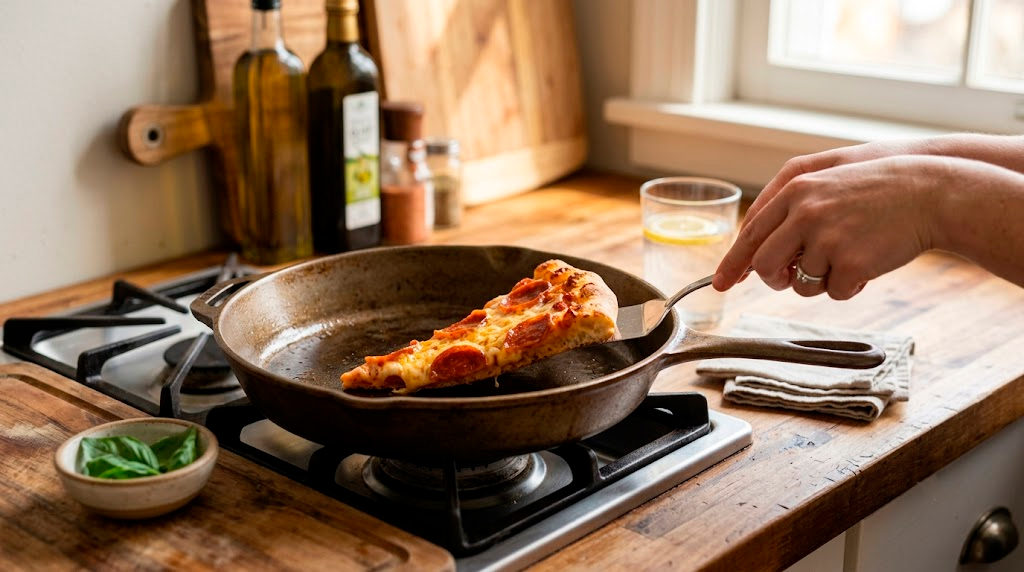
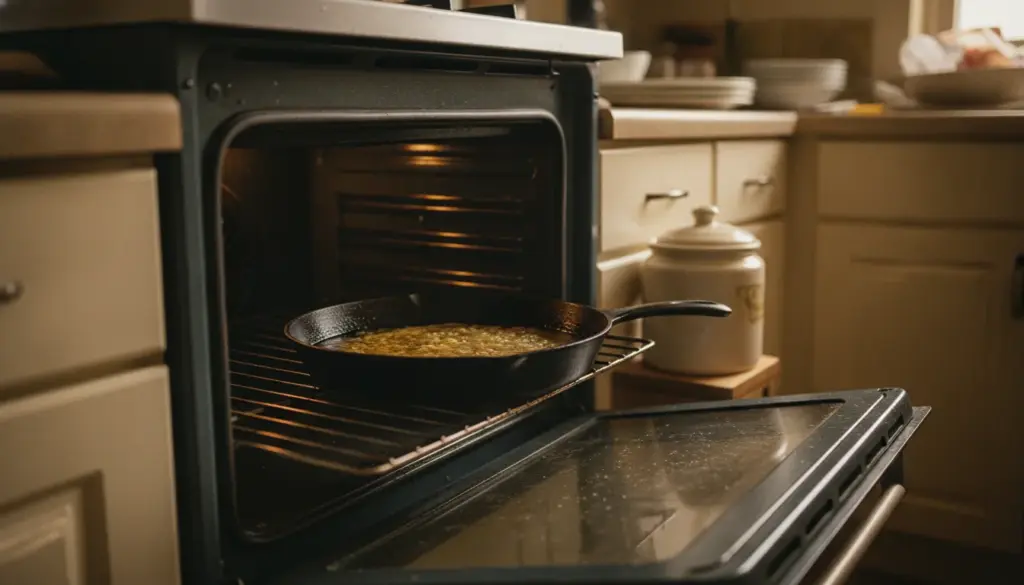
Do you ever stash a skillet full of used cooking grease inside the oven to save it for later? While this might seem like a brilliant time-saving hack, it can quietly ruin the flavor of your meals and compromise your health. Discover the proper way to handle leftover cooking liquids so you can cut down on grocery bills without taking any unnecessary risks.
Leaving leftover grease in the oven or letting it sit on the stovetop is a deeply ingrained routine in countless households. Honestly, it feels like the most convenient option after a tiring cooking session. But is this practice actually safe? You absolutely can repurpose cooking fat—especially if you cooked at moderate heat levels—but the secret lies entirely in how you choose to store it. Letting it sit in an open skillet for hours, or even days, is one of the worst things you can do to your food’s overall quality.
Why Air and Crumbs Are Your Biggest Enemies
The primary issue is that grease sitting in a pan remains constantly exposed to oxygen and leftover food crumbs. These tiny scorched fragments act as a catalyst, rapidly accelerating the degradation process and destroying the liquid’s integrity. Furthermore, an uncovered layer of grease essentially functions like a sponge, quickly soaking up ambient odors from your entire kitchen environment.
Expert tip: Always give your cooking fat a quick sniff before firing up the stove again. If you detect even a faint hint of fish, metal, or burning (even if you only cooked pancakes earlier), oxidation has occurred. At that point, the liquid is only good for the trash bin.
Extreme heat permanently alters the molecular structure of cooking lipids. Even after the burner is switched off, the oxidation process continues if the pan remains exposed to ambient light or residual warmth. Over time, this chemical reaction creates nasty aromas, turns the liquid unappealingly dark, and ultimately destroys the nutritional value of your upcoming meal.
How to Safely Save and Preserve Cooking Fats
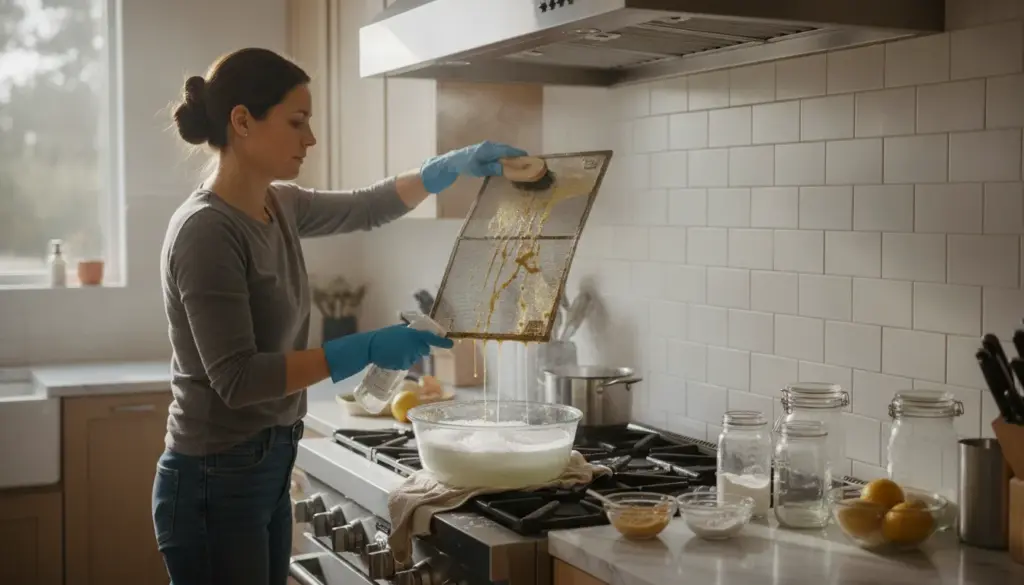
If you want to stretch your household budget safely, the most crucial step is straining the liquid immediately after it cools down. This simple action removes the stray breadcrumbs and meat fragments that trigger rapid spoilage. Once purified, transfer the liquid into a spotlessly clean, dry, and airtight container. Glass jars or metal tins work beautifully for this, as they drastically reduce oxygen exposure.
Where should you stash your freshly filtered supply? Your best bet is a cool, perfectly dry, and pitch-black spot. Think about a dark pantry shelf or a lower kitchen cabinet safely distanced from radiators and the stove. Letting daylight hit your container is a guaranteed shortcut to rancid, inedible grease. By following these straightforward precautions, your kitchen staple will stay fresher for much longer.
Warning Signs: When It Is Time to Toss It
Keep in mind that no fat can be recycled indefinitely. Watch out for these undeniable warning signs:
- A sour, noticeably rancid stench.
- A heavily darkened hue that looks muddy.
- Sudden foaming or bubbling during reheating.
- A weirdly viscous, unnaturally thick texture.
The moment you spot any of these red flags, toss the container immediately and reach for a fresh bottle.
The Real Danger of Oven Storage
Hiding your skillet in the oven carries another significant hazard. Ovens naturally trap lingering moisture and potent aromas from previous bakes, both of which degrade delicate cooking fats. Beyond spoiling your dinner, there is a serious danger of accidentally turning the appliance on while the skillet is still sitting inside.
This simple oversight instantly generates plumes of toxic smoke. In severe cases, superheated leftover grease can even spark a dangerous kitchen fire.
Giving your cooking liquids a second life is a fantastic way to embrace eco-friendly habits and protect your wallet—provided you use a little common sense. Simply straining out the bits and keeping the liquid in a sealed jar are minor adjustments that yield massive benefits. Keep these guidelines in mind to ensure your homemade dishes always taste spectacular and stay perfectly safe.