You probably have this crispy vegetable sitting in your crisper drawer right now, but have you ever paused to wonder about the botanical source it actually comes from? Most folks just see the finished grocery store product, completely missing out on the opportunity to cultivate a vitamin-packed harvest right on their balcony or in a backyard garden.
Mastering a handful of basic gardening techniques will let you savor a homegrown crunch that entirely outshines anything bought at the supermarket. While we might not be cartoon rabbits, this vibrant root crop serves as a phenomenal nutritional powerhouse. It is absolutely loaded with beta-carotene, dietary fiber, potassium, and beneficial antioxidants. Whether you toss it into a hearty stew or a fresh salad, nothing quite beats the satisfying snap of eating it raw, freshly washed straight from the soil.
Despite being a staple ingredient in kitchens worldwide, the actual plant that produces this garden favorite remains a mystery to many. Botanically speaking, its scientific classification is Daucus carota. Interestingly enough, this humble crop is actually a biennial, meaning it requires two full years to complete its natural life cycle. However, gardeners typically harvest it after just one season to capture that famously sweet, edible taproot.
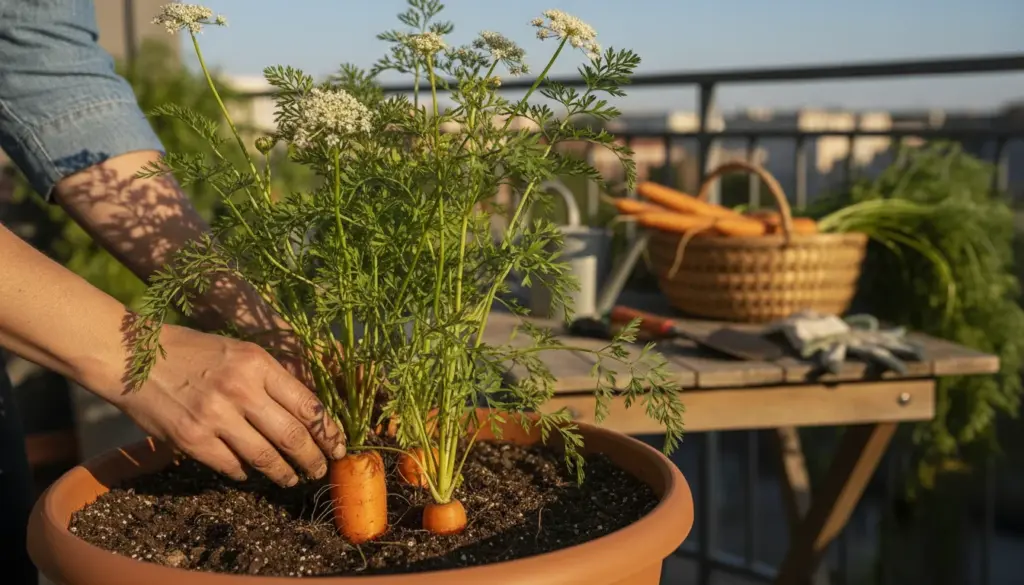
While classic orange dominates the produce aisles, a whole spectrum of unique heirloom varieties exists today. Depending on the specific cultivar, you might unearth striking purple, sunny yellow, or even pristine white roots, each boasting distinct shapes and sizes. During its first growing season, the crop focuses all its energy into swelling that taproot underground. If left unharvested to overwinter, it uses those stored carbohydrates the following spring to shoot up a tall, elegant stalk crowned with delicate white flowers.
Here is a clever horticultural trick: when direct sowing your crop outdoors, try blending the tiny seeds with a handful of fine, dry sand. This simple distribution method prevents the sprouts from emerging too densely, saving you from the tedious, time-consuming chore of thinning out delicate seedlings later on.
How to Care for Your Root Crops
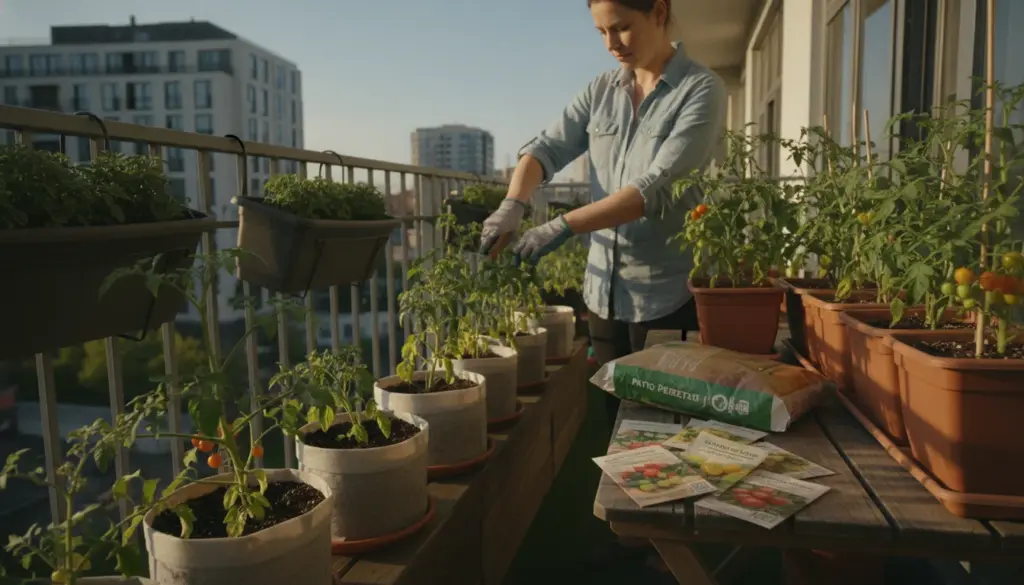
One of the most rewarding aspects of cultivating this popular vegetable is its overall hardiness and undemanding nature. You do not even need a sprawling suburban yard to get started, as these resilient plants thrive beautifully in deep indoor containers.
The real secret to a bountiful harvest lies in the depth and quality of your potting medium. If you opt for container gardening, always verify that your chosen planter is at least 30 centimeters deep, giving the taproot ample vertical space to plunge downward without obstruction. In temperate gardening zones, you can successfully sow seeds through most seasons, though providing a spot with dappled afternoon shade is highly recommended during scorching summer heatwaves.
When it comes to hydration, moisture consistency is your best friend. Aim to keep the surrounding soil evenly moist without ever letting it become totally waterlogged, as sitting in stagnant water guarantees disastrous root rot. Finally, do not forget to nourish your developing harvest. Simply mix some rich compost or a balanced organic fertilizer into the dirt before planting, and follow up with a secondary feeding halfway through the growing timeline for the absolute best results.