
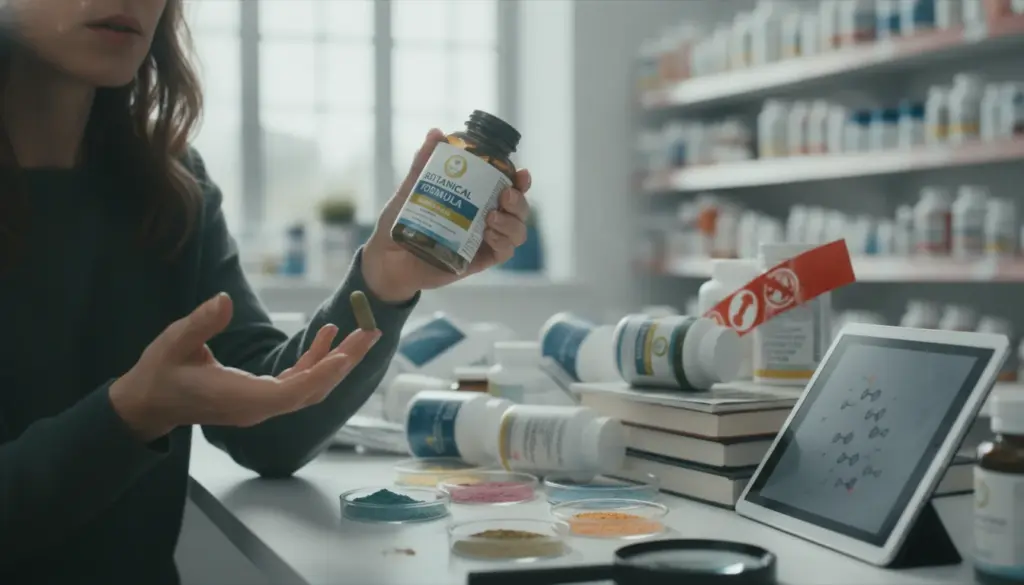
The Hidden Hazards on the Wellness Aisle
Everything on the health shelf looks perfectly safe, especially when the packaging highlights buzzwords like “100% natural” or “pure botanical formula.” Yet, emerging clinical data and international safety monitoring networks paint a different picture. Certain daily supplements can actually cause significant harm, ranging from mild digestive upset to severe liver toxicity.
So, what exactly is going on inside these popular capsules, and how can consumers protect their long-term health?
Not a Medication, But Definitely Not Candy
Under strict European regulations, nutritional supplements are legally classified as food products, not pharmaceutical drugs. This critical distinction means manufacturers are strictly prohibited from claiming their formulas cure ailments or prevent specific diseases. Their official, legally permitted purpose is much more modest: to fill dietary gaps or support normal physiological functions.
You are likely familiar with the household staples: a daily multivitamin, extra vitamin D during the dark winter months, magnesium for muscle recovery, or melatonin for sleep support. However, the wellness market is rapidly expanding with aggressive “energy boosters,” potent weight-loss aids, and complex immune-strengthening blends.
It is vital to remember that a supplement should merely complement a well-balanced diet. It is never a standalone cure for every minor ache, nor is it a substitute for professional medical care. While ingredients must have a history of safe use, the ultimate responsibility rests on the manufacturer to ensure their product doesn’t cause harm under normal conditions.
When One Pill Packs More Than a Full Plate
The primary difference between eating whole foods and swallowing manufactured supplements lies in the sheer dosage. A single capsule often contains vitamin, mineral, or plant extract concentrations far exceeding anything you could possibly consume through a standard meal. While this concentrated potency makes them effective, it simultaneously elevates the potential dangers.
Clinical reports from the United States have already documented multiple instances of acute liver damage linked to enthusiastic supplement use, particularly involving fat-burning and muscle-building compounds. European health authorities share this growing concern. Consequently, various nations are establishing dedicated monitoring networks to track adverse reactions and swiftly intervene when specific products demonstrate a hazardous profile.
Vitamins Versus Herbal Extracts: A Question of Predictability
Not all over-the-counter health products carry the exact same level of risk. Generally, the consumer market divides into two distinct categories: standard vitamin and mineral blends, and botanical (plant-based) formulas.
For conventional vitamins and minerals, health agencies tightly dictate the maximum allowable limits. The active chemical compound is clearly defined, the exact dosage is transparently printed on the label, and the physiological effects are exhaustively researched by the scientific community.
Botanicals present a completely different challenge. A single plant extract might contain dozens or even hundreds of distinct active compounds. The final chemical composition in your pill fluctuates wildly based on several unpredictable factors:
- The specific plant variety and the part used (root, leaf, or flower)
- The local soil quality and type of fertilizer applied
- The precise timing of the agricultural harvest
- The specific chemical extraction technique utilized
- The processing and drying methods applied before packaging
Because of these countless variables, two seemingly identical herbal capsules can behave very differently inside your digestive system. Furthermore, mixing these herbs with other active ingredients can either dangerously amplify their effects or trigger highly unpredictable reactions.
Which Ingredients Trigger the Most Clinical Complaints?
Global reporting systems highlight a consistent, undeniable trend: adverse side effects are predominantly linked to herbal preparations, particularly those featuring highly concentrated botanical extracts.
Health authorities across multiple countries have received numerous official complaints regarding a few highly popular ingredients:
- Turmeric (Curcumin): Frequently associated with instances of liver toxicity when consumed in high doses or over extended periods of time.
- Garcinia: A massive staple in the weight-loss industry that has been repeatedly connected to both gastrointestinal distress and serious liver complications.
- Ashwagandha: Widely praised as a natural stress reducer, yet frequently flagged in medical monitoring systems for unexpected adverse reactions.
Most medical emergencies do not stem from swallowing one isolated capsule. The real danger typically arises from excessive dosing, combining multiple overlapping formulas, and continuous long-term usage without any professional medical oversight.
Understanding Individual Biological Reactions
Why does one person thrive on a trendy botanical blend while another ends up seeking medical attention? The answer often lies in unique genetic predispositions. Subtle genetic variations directly influence how your liver enzymes process foreign substances.
While your body might rapidly metabolize a botanical compound, someone else might experience toxic accumulation, triggering severe physical symptoms even when adhering to the recommended daily allowance.
Accidental Overdosing and Ingredient Stacking
A remarkably common mistake is taking multiple different supplements that contain overlapping ingredients. Imagine swallowing a daily multivitamin, alongside an isolated zinc tablet, plus a trendy “immune-boosting” shot. Individually, each product appears perfectly harmless. Together, however, they easily push your daily intake far beyond the safe upper limits.
The dangerous cultural misconception that “more is always better” frequently leads to toxic buildup. The human body can naturally process a certain amount of excess, but eventually, the system becomes overwhelmed.
Quality Control and Hidden Contaminants
Not every wellness product is manufactured under the same rigorous laboratory conditions. With highly discounted products or pills imported directly from outside the European Union, experts frequently discover hazardous contaminants, wildly inaccurate ingredient dosages, or even undisclosed pharmaceutical chemicals.
Even poor extraction techniques can inadvertently create dangerously high concentrations of a specific active compound, instantly turning a “natural” herb into a toxic substance.
Smart Strategies for Risk-Free Supplementation
Physicians and clinical dietitians strongly recommend adhering to a few practical, non-negotiable rules for navigating the supplement aisle safely:
- Consult a professional: Always discuss your supplement routine with a physician, particularly if you manage chronic medical conditions or take prescribed drugs.
- Scrutinize the label: Demand transparent information regarding exact dosage, comprehensive ingredient lists, and clear manufacturing origins.
- Respect the limits: Strictly adhere to the recommended daily allowance—never independently decide to increase your dose.
- Limit the duration: Avoid taking the exact same herbal formulation for months on end without critically evaluating its necessity.
- Buy from reputable sources: Purchase exclusively from recognized pharmacies, established drugstores, or certified healthcare retailers.
- Exercise extreme caution: Be highly skeptical of extreme “detox” cleanses and aggressive fat-burning blends.
- Listen to your body: Seek immediate medical attention if you develop unexplained rashes, severe abdominal pain, dark urine, profound fatigue, or yellowing of the skin.
A reliable rule of thumb: if you feel the daily urge to swallow contents from multiple different supplement bottles, it is definitely time to schedule a consultation with a registered dietitian or doctor.
When Are Supplements Genuinely Necessary?
Despite the risks, targeted supplementation can be incredibly beneficial in specific, medically verified scenarios. Common clinical examples include:
- Vitamin D for individuals with limited sun exposure or darker skin tones.
- Folic acid for women who are pregnant or actively trying to conceive.
- Vitamin B12 for strict vegans or individuals managing specific gastrointestinal disorders.
- Iron for patients with a medically diagnosed iron deficiency.
In these specific situations, the goal is to correct a documented nutritional shortfall, almost always confirmed by comprehensive blood work. The exact type of supplement, the specific dosage, and the duration of treatment are then carefully mapped out alongside a medical professional.
The Hidden Danger of Pharmaceutical Interactions
Many consumers fail to realize that plant-based supplements possess the biochemical ability to either activate or suppress vital liver enzymes. This internal interference means your essential prescription medications might be metabolized entirely too fast or dangerously slow.
Consequently, the pharmaceutical levels in your bloodstream fluctuate wildly, drastically altering the drug’s efficacy and significantly increasing the likelihood of severe side effects. Herbal preparations pose an exceptionally high risk when combined with:
- Prescription blood thinners
- Medications managing heart arrhythmias
- Various classes of antidepressants
- Drugs featuring a very narrow margin between an effective and a toxic dose
If you rely on daily pharmaceutical prescriptions and casually add a “natural” herb to your morning routine, you might unknowingly create a volatile, dangerous chemical dynamic within your own liver.
Keeping Your Health Truly Optimized
For individuals who consume a well-rounded diet, spend adequate time outdoors, and have no medically diagnosed deficiencies, whole foods generally provide all the necessary daily micronutrients. If you suspect your body is lacking something, requesting a targeted blood test from your general practitioner provides far more clarity than blindly ordering a massive cocktail of online pills.
For those who do choose to supplement, healthcare experts highly recommend an annual routine check-up for your medicine cabinet. Take a deliberate moment once or twice a year to critically evaluate whether every single bottle is still serving a valid, necessary purpose.
Eliminate the redundant formulas, boldly discuss any uncertainties with a qualified professional, and remain highly vigilant regarding potent botanical extracts. By adopting this cautious approach, you guarantee that a health aid remains genuinely helpful—ensuring a healthy habit doesn’t silently evolve into a hidden medical hazard.