An Unexpected Turn Before Retirement
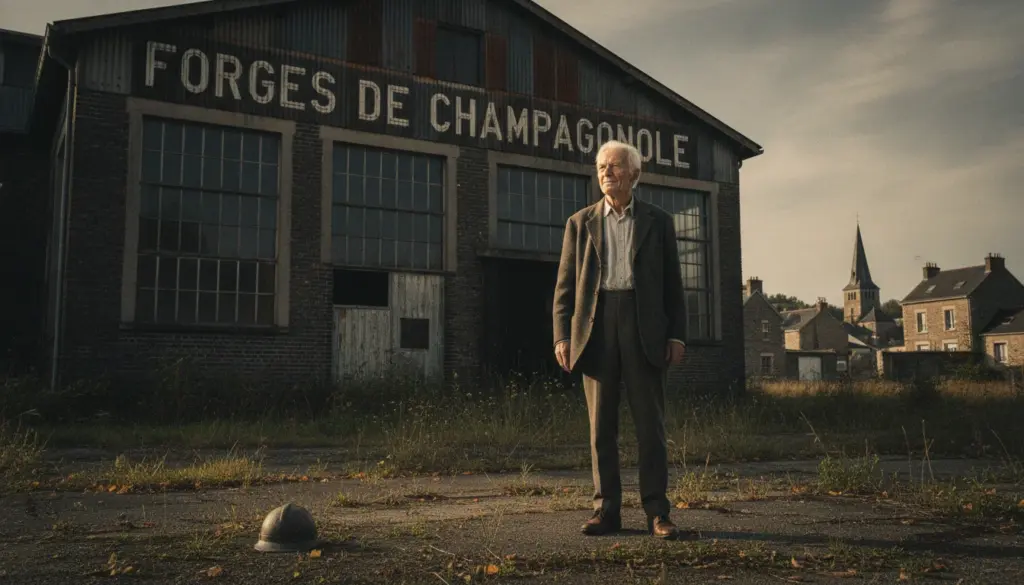
Back in 1975, a hardworking factory employee named Paul thought his labor days were finally winding down. He had spent his entire career toiling in the heavy, demanding environment of the Champagnole forges. With his pension practically in sight, those final working months felt like a mere formality.
Then, the unthinkable happened. An industrial shutdown abruptly eliminated his position, leaving him jobless a mere five months before his official retirement date. Instead of a celebratory farewell speech and a slice of cake, he received a brief office meeting and a sudden dismissal.
This abrupt severance is a familiar, painful reality for many workers of his generation—giving decades of your life to a company, only to experience an unjust exit. While Paul did receive a severance package, he was unknowingly stepping into a retirement phase that would stretch across more than half a century.
During the 1970s, the average life expectancy in France hovered just above 72 years. Defying all statistical odds, Paul’s post-career chapter transformed into a secondary lifetime, lasting nearly as long as his working years.
Managing Chores and Market Visits Alone
Today, at the remarkable age of 104, Paul continues to reside in his own home within the quiet village of Ney. He prepares his own meals, manages his laundry, and never misses his weekly trip to the local market. Rather than relying on full-time home care, he navigates his twilight years entirely at his own pace.
His weekly routine provides a comforting structure without feeling overly rigid. You can often spot him carrying his wicker basket, chatting with local vendors, and making sure the regional cheese still meets his high standards. These deeply rooted habits anchor his everyday existence.
A severe health scare threatened this independence in 1995 when he suffered a major heart attack. Thanks to his son’s rapid intervention, his life was saved. While such a massive medical event forces many seniors into assisted living facilities, Paul was determined to return to his own kitchen and favorite armchair as soon as his recovery allowed.
Geriatric specialists consistently emphasize that aging in place safely dramatically improves a person’s overall quality of life. Surrounding yourself with cherished memories, familiar objects, and established routines works wonders for mental well-being. Paul’s daily reality perfectly illustrates this principle in action.
Key elements of his successful routine:
- Maintaining small, manageable household chores every single day.
- Sticking to scheduled social interactions, like his market visits.
- Staying anchored in a deeply familiar neighborhood with recognizable faces.
- Holding onto a strong sense of personal control over his schedule.
From the Resistance to the Factory Floor
Paul’s resilience extends far beyond his impressively long retirement. During the height of the Second World War, he actively served in the resistance movement. Captured in 1944 and transported to Germany, he endured unimaginable cold, starvation, and constant terror, never knowing if he would see home again.
When American forces finally liberated his camp, he was severely malnourished and physically exhausted. While most survivors desperately sought rest, Paul immediately returned to the battlefield, joining the ongoing clashes in the Alsace region.
When reflecting on his past, he completely brushes off any notion of heroism. Instead, he credits sheer luck for surviving the war, finding work, and building a family. This deep-seated humility is a hallmark of the “silent generation,” a group that lived through historical turmoil without feeling the need to boast.
A Village Icon Guarded by Neighbors
Over the decades, Paul has become much more than just another local resident in Ney. When he turned 100, the occasion transformed into a heartfelt tribute from the entire municipality.
The local mayor frequently drops by his living room to check on his well-being. Neighbors regularly knock on his door, offering to run errands or simply checking if he needs anything. In an era where urban isolation is common, this close-knit community dynamic feels incredibly nostalgic, yet it functions perfectly.
In tightly-knit communities, an empty chair at the local cafe immediately draws attention. If Paul were to miss his beloved market day, people would instantly start asking questions. This organic social safety net might sound ordinary, but it serves as a vital lifeline.
What His Century Offers Modern Aging
When asked about the ultimate secret to his exceptional longevity, Paul doesn’t list complex vitamin regimens or strict exercise routines. He simply smiles and points to good fortune. In our current culture obsessed with wellness hacks, his straightforward answer is incredibly refreshing.
However, longevity experts know that living past a century usually involves a perfect storm of positive factors. Beyond the standard advice regarding diet and movement, Paul’s journey highlights the profound impact of belonging. Knowing exactly where your favorite coffee mug sits, waving to a familiar neighbor, and chatting at the produce stall all stack up to create an essential feeling of purpose.
Actionable Lessons for Families
Paul’s century-spanning story touches on vital modern discussions: how do we properly support an aging population while balancing safety and personal autonomy? His continuous independence proves that thriving at home is rarely an accident. It requires a collaborative effort between families, neighbors, and local support systems.
Practical takeaways for aging in place:
- Modify the home layout to minimize fall risks while keeping daily essentials easily accessible.
- Encourage low-barrier, consistent activities, whether that means a short daily stroll or preparing a simple lunch.
- Foster strong neighborhood connections so local shopkeepers or neighbors can raise the alarm if routines suddenly break.
- Honor the senior’s desire to remain in their own space, provided their health allows for it safely.
For the children and grandchildren of aging relatives, this perspective changes the caregiving approach. It’s not just about verifying if your grandparents took their medication; it’s about nurturing the small rituals that bring them joy. A scheduled phone call or a shared afternoon playing cards can drastically improve their daily outlook.
While healthcare organizations increasingly promote concepts like “positive health,” this 104-year-old former factory worker embodies the reality. His life isn’t a flawless medical textbook example, but rather a beautiful testament to moving forward, completely on his own terms, long after his professional life came to an unexpected halt.