The Real Reason Your Cut Flowers Keep Bending
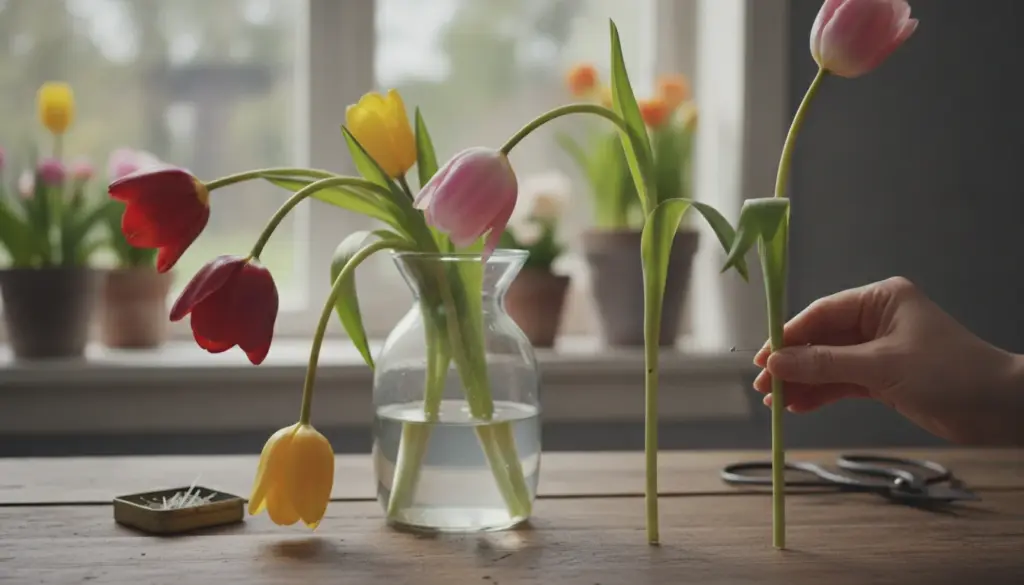
Bringing home a fresh bouquet of spring flowers is always a joy, until you wake up to find them sadly flopping over the edge of your table. Many floral enthusiasts simply toss these wilted arrangements in the trash. However, a quick poke with a standard sewing pin is actually all it takes to revive those bending stems and extend their lifespan by several days.
Unlike roses or daisies, these vibrant spring blooms have a fascinating secret: they continue growing even after you trim them. As they stretch toward the nearest light source, their soft, hollow stalks become increasingly heavy and vulnerable to bending. This stretching process accelerates significantly in cozy living rooms with active radiators or heated floors.
Furthermore, an invisible culprit often lurks inside those hollow stalks. A tiny air bubble can form inside the base, acting exactly like a cork stuck in a wine bottle. Even if your container is brimming with fresh water, that microscopic pocket of trapped air prevents moisture from traveling up to the petals. Consequently, the flower heads begin to droop and the stems are at a higher risk of snapping completely.
Placing your beautiful floral display in direct sunlight or right next to a ripening fruit bowl only magnifies the problem. Maturing fruits naturally release ethylene gas, a potent compound that drastically speeds up the aging process of cut flowers. This is exactly how a crisp, vibrant bouquet transforms into a sad, wilted mess overnight.
Four Popular Home Remedies Put to the Test
Social media is flooded with creative hacks claiming to rescue dying blooms, ranging from tossing copper coins into the water to adding a splash of clear liquor. Curious about these viral claims, a British gardening expert decided to conduct a thorough, side-by-side comparison in her own kitchen.
She prepared four identical glass containers, placing two freshly trimmed blooms into each. To ensure fairness, every stem was sliced at an angle directly underwater to prevent any initial air pockets. All four setups were kept in the exact same location, receiving identical daylight and room temperatures.
The experiment tested four different environments:
- Setup one: Tap water mixed with a generous splash of strong liquor.
- Setup two: Standard tap water with a handful of copper coins dropped in.
- Setup three: Pure tap water acting as the basic control group.
- Setup four: Fresh water combined with a tiny pinprick through the top of the stalk.
After nearly a week, the results were astonishingly clear. The alcohol-infused water performed terribly, leaving the plants colorless, weak, and severely dehydrated. Copper coins offered a slight improvement, yet the blooms still slumped heavily over the glass rim. The basic tap water held up reasonably well, though the plants visibly lost their initial vigor.
Why the Sewing Needle Trick Works
The clear champion was the container utilizing the simple needle trick. While the other arrangements slowly collapsed under their own weight, these specific blooms remained incredibly straight and firm.
A single, microscopic puncture just beneath the flower head proved vastly superior to coins, alcohol, or other elaborate water treatments. This clever technique physically forces the trapped air bubble to escape from the hollow cavity. Once the blockage is cleared, moisture can freely flow upward again, deeply hydrating the thirsty petals.
How to execute this method: Carefully pierce the stalk just below the colorful head. Within an hour of making this tiny ventilation hole, you will often notice a dramatic recovery as the plant eagerly drinks up the water it desperately needs.
Essential Care Tactics for Longer-Lasting Blooms
While the needle technique is a fantastic rescue mission, combining it with proper environmental care ensures your bouquet thrives for over a week. Small adjustments in temperature, lighting, and general hygiene make a massive difference in vase life.
Finding the perfect location:
These specific spring varieties absolutely crave cool, peaceful environments. To maximize their longevity, keep them far away from active fireplaces or heating vents. You should also avoid placing them in harsh, south-facing windows where direct sunlight will bake the delicate petals. Additionally, always maintain a safe distance from your kitchen fruit bowl to prevent ethylene gas exposure.
Hydration and maintenance:
Make it a habit to refresh the water every alternating day, thoroughly rinsing out the glass container to remove bacterial buildup. While replacing the water, slice another tiny portion off the bottom of the stalks. This regular trimming guarantees the vascular bundles remain wide open and ready to absorb essential moisture.
Practices to avoid:
Ignore the viral advice suggesting you add liquor to the vase, as alcohol severely dehydrates the delicate plant tissues. Tying the bouquet tightly together with rubber bands or twine might seem like a smart way to keep them upright, but this causes severe bruising. Instead, opt for a container with a naturally narrow neck to gently support the arrangement without causing physical trauma.
Safety first:
When performing the needle trick, never attempt to puncture the stalk while holding it up in the air. Always rest the plant securely on a clean cutting board to prevent accidental finger injuries. For the best results, wipe your sewing needle with a little rubbing alcohol beforehand so you don’t introduce harmful bacteria into the freshly created wound.
By establishing a solid preparation routine—trimming immediately, piercing the tops, and choosing a cool, shady spot—you can easily prevent those frustrating overnight collapses. A few minutes of extra effort allows you to fully enjoy these beloved seasonal beauties without the constant disappointment of drooping stems.