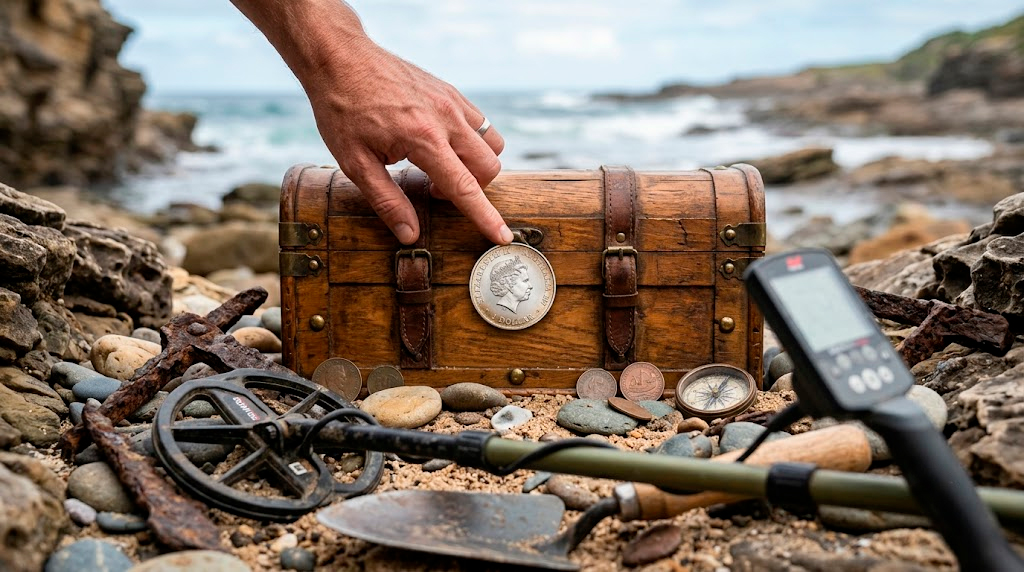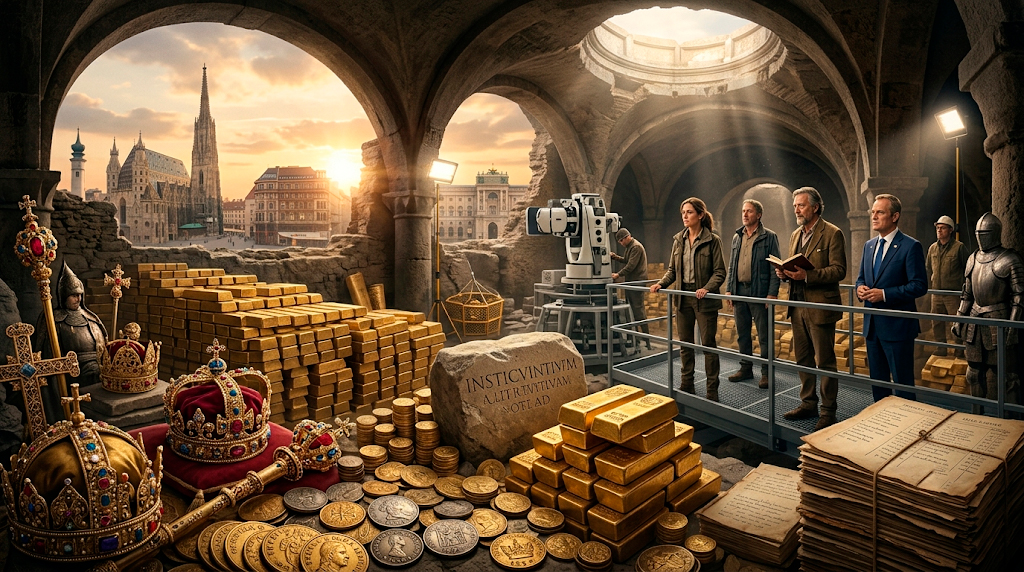
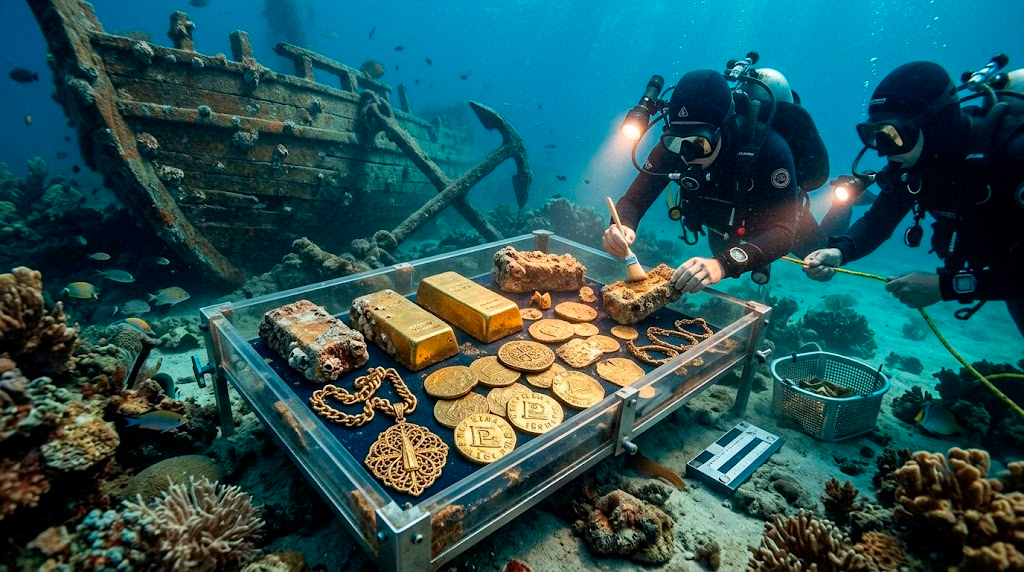
Gold coins scattered across an eight-mile stretch of coral reef are just the tip of the iceberg of this incredible find. Carl Allen and his team from Allen Exploration have effectively rewritten the history books, recovering artefacts from the depths of the ocean belonging to the legendary 17th-century galleon Nuestra Señora de las Maravillas.
The tragic end of a Spanish giant
To be perfectly honest, the story of this ship reads like a Hollywood disaster movie script. The Nuestra Señora de las Maravillas was a double-decked flagship armed with 36 bronze cannons, tasked with transporting royal wealth from the Americas back to Seville. Fate, however, had other plans.
A catastrophic navigational error led to a collision with another vessel, and moments later, the ship struck a razor-sharp coral reef. Of the hundreds of souls on board, a mere 45 survived. The rest vanished into the abyss alongside a cargo that Caribbean pirates could only dream of.
What exactly did the treasure hunters find?
To put it bluntly, what Allen’s team has managed to secure is absolutely breathtaking. While numerous expeditions have tried their luck since 1656, it took modern technology to finally reach the items buried deep beneath thick layers of sand and dead coral.
The current inventory includes:
- Intricately woven gold chains.
- A unique pendant featuring the Cross of St. James (Cruz de Santiago).
- Thousands of gold and silver coins.
- Precious Chinese porcelain and clay jars.
- Jewellery encrusted with rare gemstones.
The value of the artefacts alone is initially estimated at over £4 million ($5 million), but their historical significance is, quite frankly, priceless. Spot on.
Marine Archaeologist:
“Modern side-scan sonar mapping in 2026 allows us to see objects buried beneath the sediment that divers missed for decades. Thanks to sub-bottom profiling (SBP) technology, we managed to track down the scattered artefacts of the Maravillas, which marine currents had dragged miles away from the original crash site.”
More than just gold: everyday life at sea
While the shiny treasure grabs the media headlines, scientists find everyday items the most valuable. These pieces allow us to catch a glimpse of what life at sea was really like more than three centuries ago.
In short, finds such as:
- Shoe buckles and tobacco pipes show us how passengers dressed.
- Tableware reveals the officers’ actual diet.
- Crew members’ personal keepsakes have survived in near-mint condition.
Currently, this entire “pirate’s bounty” can be viewed at the Bahamas Maritime Museum in Freeport. It is there that the Bahamian government, the rightful owner of the finds, has chosen to open the collection to the general public.