A cliffside fishing haven north of Lisbon
Less than an hour’s drive from the Portuguese capital lies a rugged stretch of coast where surfboards, fishing boats, and peaceful alleys blend perfectly. Despite its undeniable charm, it rarely tops the typical tourist itinerary. While costs remain significantly lower than in famous European resort towns, this settlement delivers a beautiful mix of crashing Atlantic waves, whitewashed homes, and a slow pace that feels refreshingly nostalgic.
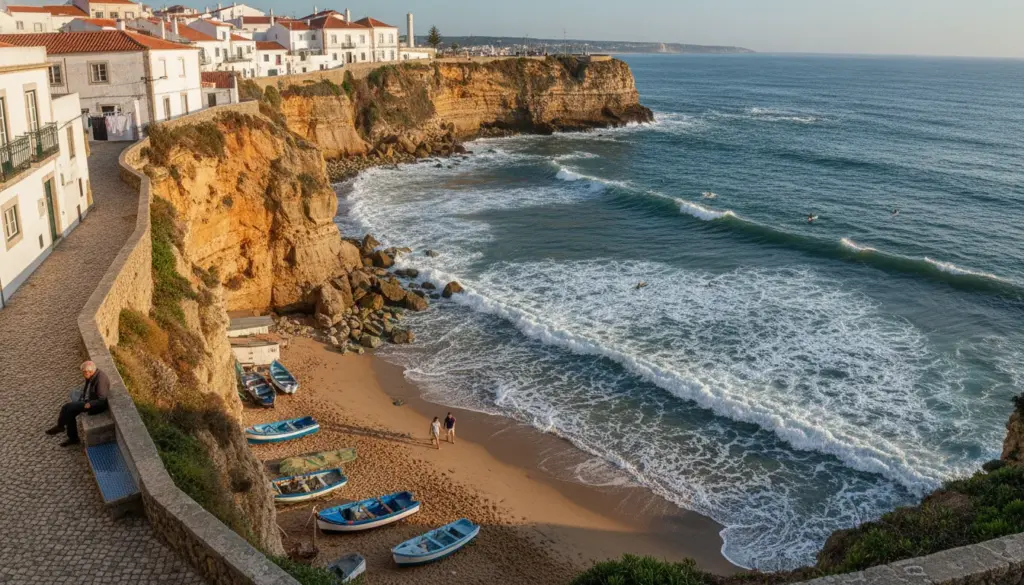
Located roughly 45 kilometers northwest of Lisbon, Ericeira sits perched on dramatic cliffs overlooking the ocean. If you peer over the edge, you will spot hidden coves, jagged rocks, and sandy stretches tucked neatly between towering stone walls.
The historic core has proudly maintained its traditional fishing village identity. Narrow, cobblestone lanes weave through a maze of low-rise buildings. Many facades feature striking blue or yellow painted borders, beautifully accented by azulejos—those iconic Portuguese ceramic tiles. Instead of imposing mega-hotels, the town favors intimate pensions, modest guesthouses, and welcoming family-run lodgings.
Down at sea level, you will stumble upon Praia dos Pescadores, the main beach where vibrant fishing vessels are hauled onto the sand. Early risers can watch local crews sorting their morning catch just as the first surfers paddle out into the swell. This daily rhythm of ocean tides and rolling waves still dictates the local way of life.
Europe’s pioneering World Surfing Reserve
Back in 2011, this remarkable coastline was designated as a World Surfing Reserve. It was the very first destination in Europe to earn this prestigious title, recognizing both its world-class wave quality and the community’s dedication to coastal preservation. Along a stretch of just a few kilometers, you will discover multiple distinct surf breaks, each offering a completely unique experience.
- Ribeira d’Ilhas: A legendary spot boasting long, consistent waves that regularly host international surfing competitions.
- Coxos: Famous for its heavy, hollow barrels, making it a playground strictly for highly experienced wave riders.
- Foz do Lizandro: A sprawling sandy bay lined with relaxed beach bars and surf clubs, perfect for eager beginners and families.
- Praia dos Pescadores: A much more sheltered cove, heavily favored by casual swimmers and those who prefer watching the ocean from a dry towel.
If you are looking to catch your first wave, the opportunities are endless. Surf academies and rental shops are scattered all around the bay, allowing you to easily hire gear or book a half-day lesson. Keep in mind that the Atlantic remains brisk year-round. Depending on the month, water temperatures hover between 14 and 20 degrees Celsius. Wearing a proper wetsuit is the secret to enjoying hours in the surf rather than shivering on the shoreline.
Far more than just a surfer’s paradise
Despite its legendary status in the surfing community, you definitely do not need to be an expert to fall in love with this town. Countless travelers visit simply to soak up the coastal atmosphere, stunning vistas, and pristine beaches. The smaller, wind-protected coves near the village center are ideal for a refreshing dip or a lazy afternoon lost in a good book.
A scenic network of walking trails traces the top of the cliffs. Even a brief stroll rewards you with panoramic viewpoints where the dramatic shoreline curves away into the distance, dotted with white water and tiny inlets. As dusk approaches, the rock faces glow with a golden hue. Surfers gather below for one final sunset session, while the clifftop terraces quickly fill up with thirsty patrons.
Food, lodging, and an attractive price tag
While popular Mediterranean islands have become notoriously expensive during peak season, Ericeira manages to keep its prices incredibly reasonable. With a bit of strategic searching, booking a room in a cozy hostel, pension, or simple hotel will cost you a fraction of what you would pay in a typical French or Spanish coastal resort.
Unsurprisingly, the local culinary scene revolves around the ocean. Tucked into the narrow alleys are unassuming eateries serving perfectly grilled sardines, fresh sea bream, and tender octopus, typically accompanied by boiled potatoes and a crisp salad. The dining vibe is wonderfully unpretentious—think plastic chairs, paper placemats, and an affordable glass of local house wine. For those who prefer to cook, the bustling morning fish market is a must-visit. Here, rows of freshly caught seafood rest on ice amid the chaotic hum of local vendors and the salty scent of the sea.
Slow-paced village charm
On paper, this coastal gem could have easily transformed into a concrete jungle of holiday apartments. Thankfully, the community opted for a much slower, more sustainable approach to tourism. Instead of sprawling luxury resorts, the area embraced boutique hotels, eco-lodges, and surf hostels, cleverly integrated into existing traditional structures.
Because of this, the streets retain their intimate, small-scale feel. During the day, dripping wetsuits hang proudly from wrought-iron balconies as elderly locals pull up chairs on the sidewalk for a neighborly chat. When the weekend hits, Lisbon families drive up the coast for extended, seafood-heavy lunches overlooking the water. The visitor demographic skews toward solo adventurers, couples, and tight-knit groups of surfers staying for a week or two.
How to reach this hidden Portuguese gem
Driving from Lisbon to Ericeira takes roughly 45 minutes. If you have a rental car, it is an easy, straightforward highway route toward Mafra, followed by a quick scenic descent to the ocean. Prefer to skip the driving? You can catch a direct intercity bus from the main terminal in Lisbon. It takes slightly longer but drops you right in the heart of the village.
Many vacationers smartly combine a city break with a coastal retreat. Spend a few days exploring Lisbon’s rich culture, vibrant nightlife, and culinary delights before heading north to catch some fresh sea breeze. The surrounding region also boasts fantastic cultural sights, including the magnificent royal palace in Mafra and the enchanting, misty hills of Sintra.
The best time to visit and off-beach activities
The peak tourist season runs from June through August. Weather during these months is reliably hot, though the consistent ocean breeze keeps things quite comfortable. If you prefer a quieter escape, aim for the shoulder months of May, September, or October. The ocean water has often warmed up nicely by late summer, yet the charming cobblestone streets remain blissfully uncrowded.
If you have zero interest in catching waves, the area still offers a wealth of fantastic alternatives:
- Embarking on spectacular cliffside hikes, pausing at dramatic overlooks and secret coves.
- Tasting authentic regional delicacies, from savory amêijoas (clams) to sweet, flaky pastéis de nata at a neighborhood bakery.
- Taking a short trip inland to marvel at the monumental palace-monastery of Mafra.
- Hopping on a bus for a quick day trip to Lisbon to enjoy Fado music and sweeping views over the Tagus River.
Expert tips for an affordable, stress-free getaway
Keeping your travel budget in check is surprisingly easy with a little foresight. Traveling outside the busy summer peak drastically reduces the cost of both flights and local accommodations. Securing a guesthouse just outside the immediate town center is always cheaper than a beachfront room, and you will still be within a ten-minute walk of the sand.
When it comes to dining, simply walking one block away from the busiest tourist streets pays off immensely. Tucked down quiet side alleys, you will discover authentic, family-run restaurants featuring Portuguese-only menus and exceptional value for money. If you book an apartment, buying fresh produce and seafood at the local municipal market to cook at home can shave dozens of euros off your weekly expenses.
Activities here are gloriously simple: hiking, people-watching, swimming, surfing, and eating. This makes the town an absolute dream for travelers who do not need highly organized entertainment. Renting a surfboard or booking a lesson will likely be your biggest daily splurge, while the breathtaking trails, sunsets, and beaches cost absolutely nothing.
For families traveling with small children, it is wise to research which beaches retain their soft sand at high tide and where the ocean remains calmest. Local surf shop owners and guesthouse hosts are brilliant resources—they always know exactly which sheltered bay is safest for inexperienced swimmers on any given day. It is this welcoming, balanced atmosphere that makes this understated Atlantic haven such a phenomenal, wallet-friendly escape.