A Seductive Blend of Literary Prestige and Streaming Success
Adapting a Nobel laureate’s novel into a Turkish streaming drama sounds like a niche watch reserved for literary connoisseurs. Yet, this fresh release is unexpectedly dominating viewership charts worldwide. By weaving a sweeping romance with meticulously crafted 1970s aesthetics and ties to a tangible, real-world museum, the production stands out as one of the season’s most captivating television experiences.
Honoring a Masterpiece
The narrative draws its inspiration from The Museum of Innocence, penned by the 2006 Nobel Prize in Literature winner, Orhan Pamuk. First published in 2008, the sweeping tale became a massive global phenomenon, captivating millions across dozens of languages. Instead of merely borrowing the premise for a quick cash-in, the digital adaptation remains incredibly loyal to the book’s complex heart.
Consequently, the pacing feels distinct from the rapid-fire cliffhangers of typical modern shows. The creators prioritize simmering emotional tension, rich atmospheric details, and deliberate character development. Audiences are plunged into a beautifully constructed world where memory, unrelenting obsession, and deep affection blur together seamlessly.
A Doomed Romance in a Divided Metropolis
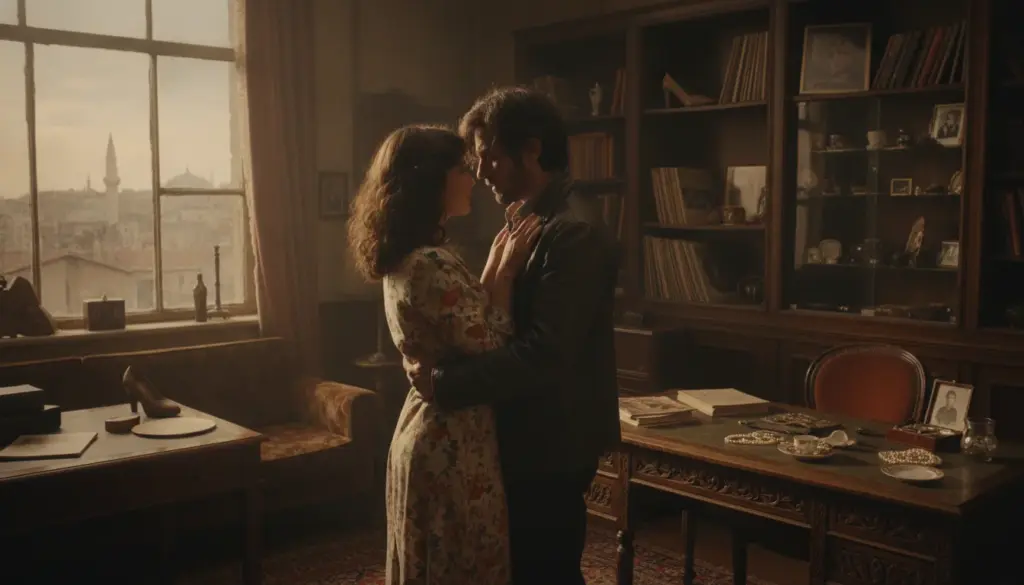
Unfolding against the backdrop of 1970s Istanbul, the setting breathes life into a period fraught with severe political and social friction. The Turkish metropolis acts as a living participant, constantly shaping the destinies of those walking its cobblestone streets. At the center of this turmoil is Kemal, a wealthy industrialist heir who is poised to marry Sibel, a diplomat’s elegant daughter.
Their impending union represents the ultimate high-society match, perfectly aligning with the strict expectations of the local elite. However, everything shatters when Kemal crosses paths with Füsun, an unassuming but mesmerizing shop assistant from a working-class background. What begins as a fleeting encounter spirals into a profound connection that irrevocably derails his carefully planned life.
- Kemal: An affluent heir completely torn apart by the brutal clash between family duty and deep-seated desire.
- Füsun: A modest young woman who unwittingly becomes the absolute focus of an all-consuming obsession.
- Sibel: An educated, modern fiancée representing societal stability, prestige, and the safe path forward.
The series brilliantly illustrates how the era’s rigid class divides, family honor, and societal shame heavily outweighed personal happiness. This immense pressure ensures the central relationship feels tragically doomed from the start, infusing every quiet interaction with palpable, underlying suspense.
Turning Heartbreak into a Physical Shrine
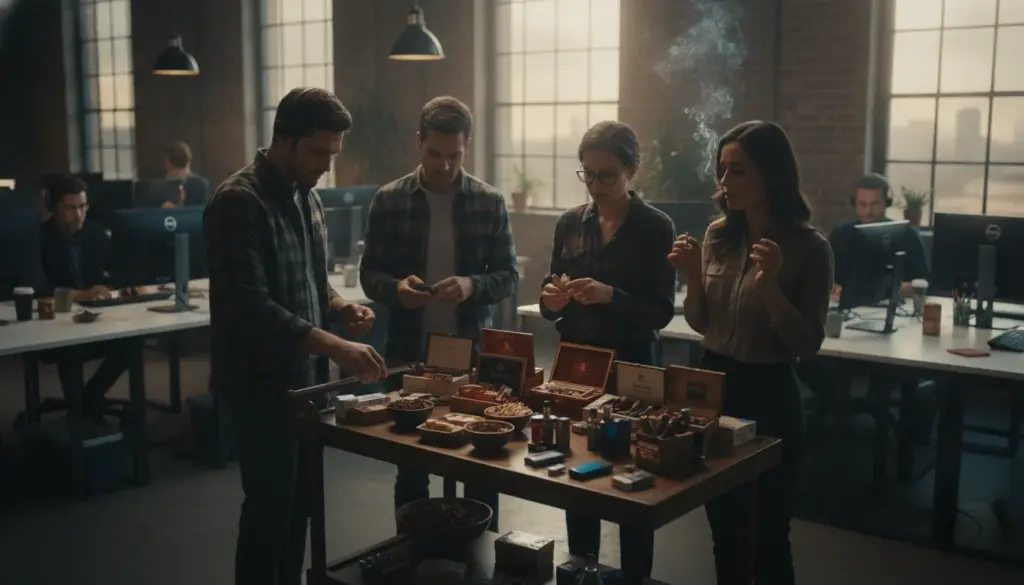
When the illicit affair inevitably fractures, the wealthy protagonist simply cannot let go of his lost love. He begins hoarding mundane items tied to her memory: discarded cigarette butts, misplaced earrings, teacups, and random trinkets from local taverns. Initially serving as a harmless coping mechanism, this habit rapidly morphs into a full-blown hoarding compulsion.
This unrelenting drive to collect artifacts forms the narrative spine of the drama. Every single saved object symbolizes a stolen glance, a specific afternoon, or a heartbreakingly missed opportunity. The camera frequently lingers on these everyday items through intimate close-ups, effectively turning the viewer into a silent archivist of Kemal’s grief. Eventually, he envisions transforming this massive hoard into a dedicated museum—a physical tribute to his lost romance and a rapidly disappearing version of the city.
By elevating ordinary clutter to the status of precious museum pieces, the production beautifully captures the intense, suffocating weight of personal grief.
When Fiction Bleeds into Reality
The most fascinating aspect of this artistic project actually exists outside the digital screen. Author Orhan Pamuk famously manifested his fictional universe into the physical world, bringing the story to life. Back in 2012, an actual Museum of Innocence opened its doors in Istanbul’s Beyoğlu district, perfectly structured around the novel’s timeline.
Tourists and literary fans can literally walk past intricate displays filled with items directly referencing the storyline:
- Endless rows of smoked cigarettes, meticulously cataloged as if saved by a heartbroken lover.
- Vintage glassware, spoons, and china sourced from old-school Turkish households.
- A tiny porcelain dog displayed alongside other nostalgic, period-accurate knickknacks.
- Specific jewelry pieces and clothing designed to evoke the captivating spirit of the female lead.
This physical location brilliantly erases the boundary between imagination and reality. In the original text, the protagonist recounts his tragic tale to a fictionalized author; in the real world, visitors stroll past the physical evidence of that invented existence. Watching the series adds a thrilling new dimension, as fans can now spot those exact museum pieces recreated on their televisions.
Why Audiences Are Hooked
While digital libraries are flooded with new content daily, this specific adaptation resonates for a few highly distinct reasons. Audiences who adore sweeping period dramas but crave something moodier than traditional aristocratic tales will find a perfect alternative here. The show trades glittering ballgowns for plumes of cigarette smoke, bustling street noise, and looming political unease.
The production team masterfully resurrects the 1970s metropolis through rigorous historical research mixed with stunning cinematic flair. Viewers are treated to authentic period details, from exaggerated fashion collars to the stark contrast between conservative family dinners and pulsating modern nightclubs.
Simultaneously, the show highlights a culture caught in an agonizing transition between traditional customs and modern westernization. Younger generations yearn for freedom but repeatedly crash into religious expectations and familial duty. This provides international audiences with a fascinating glimpse into a city navigating its complex identity at the crossroads of Europe and Asia.
Exploring Themes Beyond the Romance
Beyond the magnetic central love triangle, the narrative fearlessly tackles several weighty, universal subjects:
- Social Hierarchy: Financial standing and birthright rigidly dictate who is allowed to associate with whom.
- The Weight of Memory: Inanimate objects acquire a magical resonance when they become the only surviving link to a happier past.
- Moral Conflict: The protagonist constantly navigates crushing guilt as he betrays his loyal fiancée for an uncontrollable infatuation.
- Urban Evolution: As historic neighborhoods gentrify and beloved cinemas close, the shifting physical landscape mirrors the changing nature of human bonds.
For those seeking more than just a typical romantic tragedy, the narrative serves up a thoughtful critique on how societal rules suffocate individual autonomy. It proves that who we choose to love is rarely an entirely free choice.
What to Know Before You Press Play
If you are debating whether to dive into this historical drama, understanding the rich backdrop enriches the viewing experience significantly. The Nobel Prize distinction signals a creator celebrated for pushing boundaries, masterfully weaving together grand political history with deeply intimate human struggles.
Within Turkey, the original source material boasts an undeniable cult status. Countless international travelers now build their itineraries around exploring the historic neighborhoods and visiting the corresponding real-life exhibition. Unsurprisingly, this lush on-screen adaptation is inspiring a massive new wave of cultural tourism as fans want to witness the tangible artifacts they obsessed over online.
Ultimately, this production is a masterclass in atmospheric, slow-burn storytelling. Instead of relying on explosive action sequences, the drama thrives on heavy silences, lingering glances, and subtle physical movements. The simple act of stubbing out a cigarette or adjusting an earring carries immense narrative weight. If you love losing yourself in the melancholic beauty of a bygone era, this is undeniably one of the most rewarding choices currently streaming.