
Global Attention on a Single Infection
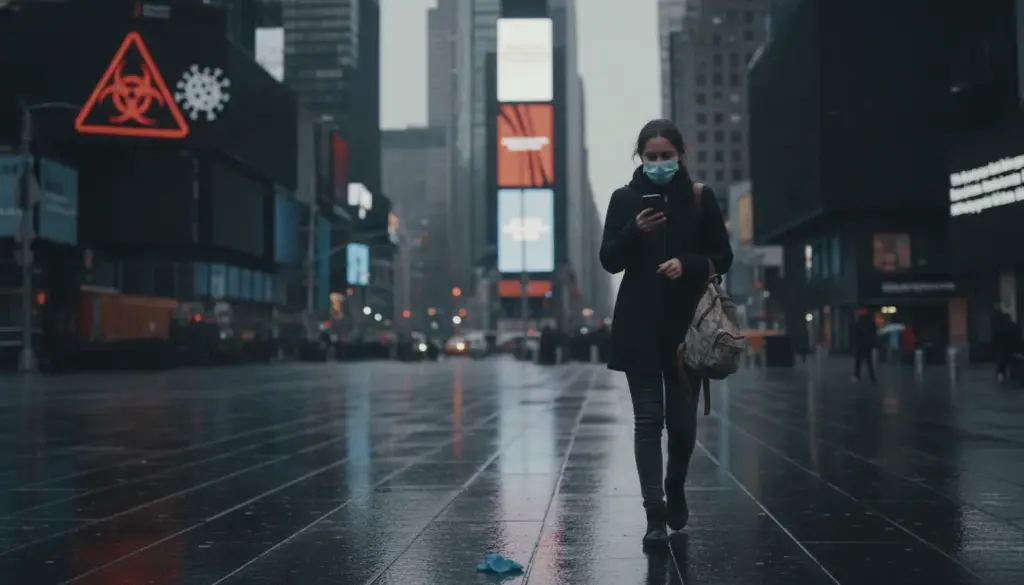
Health monitors worldwide are closely watching New York City following the discovery of a rare, highly aggressive mpox strain in a single patient. This detection arrives at a precarious moment in global health.
Major urban centers remain highly susceptible to viral spread, yet much of the public has completely moved past the brief mpox scare of 2022. What are the actual risks associated with this newly detected viral strain, how dangerous is it, and what should the public keep in mind?
Understanding the Virus
Once commonly known as monkeypox, this pathogen shares a genetic lineage with the smallpox virus, which was famously eradicated in 1980 through a massive global vaccination campaign. Historically, the virus was mainly confined to the African continent.
In 2022, the pathogen unexpectedly crossed global borders, sparking temporary worldwide anxiety as fatigued populations feared another pandemic immediately following the COVID-19 crisis. Fortunately, case numbers stabilized rapidly, leading to a natural drop in public awareness.
The Two Phases of Infection
Infections typically unfold in a distinct two-stage process. Patients initially experience standard viral symptoms, which often include:
- Fever and chills
- Severe headaches
- Deep muscle aches
- Significantly swollen lymph nodes
Following this initial flu-like phase, characteristic skin abnormalities begin to emerge. These manifest first as tiny red marks, which swell into fluid-filled blisters and eventually morph into raised pustules. Over time, these lesions dry out and form hard scabs. The resulting rash often proves incredibly painful, particularly when located on highly sensitive areas of the body.
How Transmission Works
Unlike airborne respiratory viruses such as influenza or the coronavirus, this pathogen requires significant physical proximity to spread. Infection pathways primarily involve direct contact with active skin lesions, exposure to bodily fluids, or utilizing contaminated items like unwashed clothing and shared bedding.
During the international surge two years ago, the vast majority of transmissions were directly linked to intense physical intimacy, frequently occurring within highly specific sexual networks.
Why the New York Case Stands Out
Virologists generally categorize mpox into two primary genetic branches, scientifically known as “clades.”
- Clade II: Responsible for the widespread 2022 outbreaks, generally resulting in a milder course of illness.
- Clade I: Historically associated with much more severe clinical symptoms and a substantially higher risk of medical complications.
The recently identified New York patient contracted the latter, more threatening classification. While this represents just an isolated infection, epidemiologists remain on high alert. A single diagnosis doesn’t guarantee a widespread health emergency, but this specific viral branch carries significantly heavier health risks than the version that swept across Europe and the Americas two years ago.
Urban Vulnerability and Viral Spread
With over eight million residents packed into a relatively confined geographical area, New York City presents unique epidemiological challenges. High population density, packed transit systems, and closely quartered high-rise living make viral containment inherently difficult.
Furthermore, the metropolis operates as a massive global transit hub. Tens of thousands of international travelers move through its three major airports every single day. Consequently, any pathogen establishing a foothold in the city possesses the potential to rapidly travel to distant regions.
However, experts emphasize that this situation is drastically different from a respiratory pandemic. Mpox simply lacks the effortless airborne transmission of a typical cold. Catching the virus requires far more than merely sharing an elevator or brushing past someone on a crowded subway platform; sustained, direct, and intimate contact remains the primary driver of spread.
The Limits of Travel Restrictions
Epidemiological data from 2022 demonstrates that imposing strict bans on flights and trains rarely halts a localized urban epidemic. Once a pathogen infiltrates a densely populated neighborhood, it naturally proliferates within that community through daily interactions in workplaces, restaurants, schools, and healthcare facilities.
Public health researchers note that in major metropolitan areas, residents constantly share enclosed environments. Because social interaction is so deeply woven into city life, imposing hard borders can paradoxically increase local risks by forcing more intense human contact within an artificially restricted zone.
Assessing the Risk to the General Public
Currently, domestic health organizations maintain that the general population faces a very low risk of infection. Several key factors support this reassuring outlook:
- Only one confirmed case exists, and the patient is being monitored in strict isolation.
- Successful transmission demands close, usually prolonged physical interaction.
- Public health teams already possess extensive experience with contact tracing from previous outbreaks.
Additionally, a targeted vaccine developed for orthopoxviruses has been available for high-risk individuals since 2022. Medical professionals anticipate this immunization will remain effective against the newly reported strain, even though exhaustive data regarding its precise efficacy against this specific genetic branch is still being collected.
What This Means for the Netherlands
In the short term, little will change for the Netherlands, but Dutch health services are monitoring the situation closely. In 2022, mpox cases were also identified here, predominantly among men who have sex with men.
Municipal health services (GGDs) and regional hospitals now possess fully established protocols for recognition, rapid testing, and safe isolation. Should case numbers climb significantly in New York or elsewhere, international health networks will rapidly activate coordinated defense strategies. This response would likely include heightened vigilance at sexual health clinics, targeted educational campaigns, and accelerated vaccine distribution.
Clinical Warning Signs
Medical practitioners diagnose the illness by evaluating a combination of physical symptoms and recent behavioral patterns. A strong suspicion of infection arises when an individual presents with:
- Flu-like exhaustion and sudden fever
- Accompanied by the rapid appearance of painful blisters or rashes
- A history of recent intense physical or sexual encounters, especially involving multiple or unfamiliar partners
- Recent travel to regions currently managing active viral clusters
When doctors suspect an infection, specialized laboratory testing confirms the diagnosis. The vast majority of those infected recover completely through a regimen of deep rest, pain management, and careful wound treatment. However, individuals with compromised immune systems face a heightened risk of severe progression and potential hospital admission.
Proactive Personal Protection
There is absolutely no reason for widespread panic among the general public. Adhering to a few fundamental hygiene practices effectively minimizes personal risk, especially for frequent travelers or those active in previously affected communities:
- Monitor your body for unexplained sores or blisters, paying special attention to the face, groin, and perianal regions.
- Strictly avoid direct skin contact with anyone displaying suspicious lesions.
- Never share unwashed towels, intimate toys, or bedding with unfamiliar individuals.
- Consult a healthcare provider immediately if symptoms develop, ensuring you disclose any recent travel or high-risk contacts.
For particular risk demographics, discussing preventative vaccination with local health boards remains a prudent step. The framework for targeted immunization campaigns already exists from 2022 and can be rapidly expanded if necessary.
Why Continued Vigilance Matters
Discovering one infected individual in a major city does not equate to a global catastrophe. Nevertheless, scientific communities maintain heightened vigilance because this specific viral branch carries a historical precedent for causing serious illness. Rapid detection empowers medical networks to implement swift isolation, testing, and vaccination measures before invisible community spread occurs.
The combined lessons learned from the COVID-19 era and the 2022 mpox surge have massively fortified our infectious disease infrastructure. Today’s laboratories process tests with unprecedented speed, health databases communicate seamlessly, and frontline workers recognize warning signs much faster. This robust system dramatically reduces the likelihood of a novel variant surging unnoticed.
For those confused by the medical jargon, the term “clade” simply refers to a distinct genetic branch on a viral family tree. Because different branches can exhibit varying levels of severity and transmissibility, tracking their geographical movement is essential. Understanding exactly which version of a virus is circulating allows authorities to perfectly tailor their vaccination strategies and public protection guidelines.