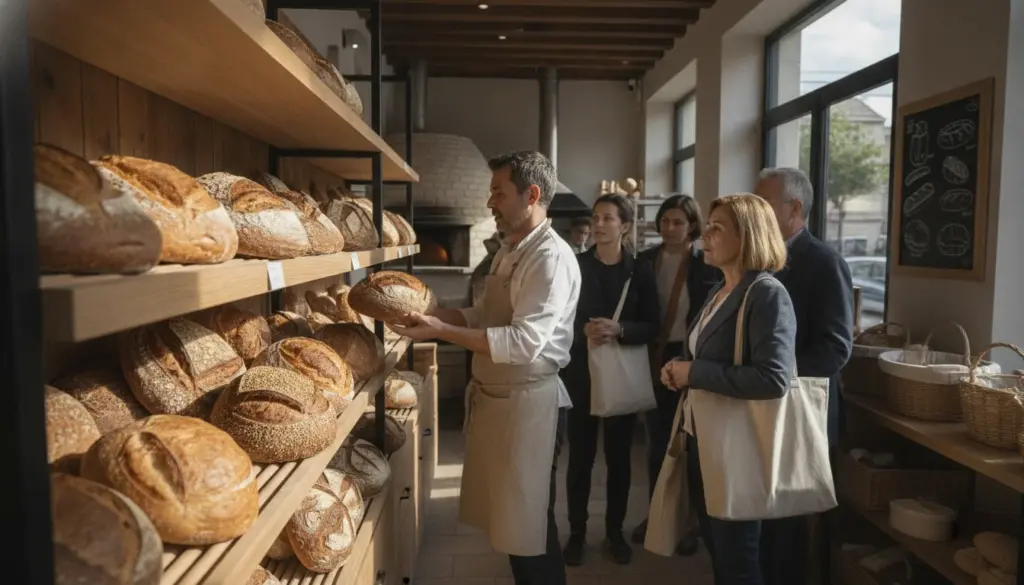
A Quiet Culinary Shift in French Bakeries
An unexpected movement is slowly transforming the traditional French bakery scene, where a growing number of artisans are permanently removing the iconic baguette from their daily offerings. Once the undisputed champion of everyday life across France, this crispy staple is being deliberately phased out by a wave of modern bakers. Instead, they are pivoting toward massive, rustic loaves and slow-fermented sourdoughs, a decision heavily influenced by shifting consumer diets, skyrocketing energy bills, and pressing environmental concerns.
Losing Its Seat at the Dinner Table
Even though the classic baguette holds prestigious UNESCO intangible cultural heritage status and serves as a global symbol of French gastronomy, actual bread consumption within the country has been plummeting for decades. Historical data paints a stark picture of this decline.
Right after the Second World War, a typical French citizen consumed an impressive 700 grams of bread daily. Fast forward to 2010, and that figure plummeted to 110 grams. Today, the average daily intake hovers around just 99 grams—which mathematically equals less than half a standard baguette.
This sharp decrease is intrinsically linked to modern dietary habits. Younger generations are increasingly skipping the time-honored morning bakery run before work or school. The cultural ritual of grabbing a freshly baked baguette daily is gradually being reserved for leisurely weekends or traditional family gatherings.
The Rise of the Unconventional Artisan
As the daily baguette routine fades, an entirely new breed of bakery is capturing the market’s attention. These contemporary establishments distinguish themselves by utilizing ancient grain varieties, organic flours, and natural sourdough starters that require extensive resting periods. Within this innovative culinary space, the beloved baguette is frequently dismissed as an inefficient relic of the past.
Wander into one of these forward-thinking shops, and you might not find a single slender loaf in sight. Display cases are instead overflowing with substantial round and oval bakes, frequently heavily crusted, deeply browned, and packed with whole grains and seeds.
A Radical Redesign in Rennes
One striking example is found at a Rennes-based establishment called Seize Heures Trente, where the owners made the bold choice to completely eliminate the baguette from their production line. From an operational and nutritional standpoint, the baking team determined the classic stick was simply too demanding on energy resources while offering limited dietary benefits.
Their revamped menu now focuses entirely on:
- Hearty farmer’s bread crafted from robust rye and wheat blends.
- High-fiber whole wheat varieties designed for maximum satiety.
- Slow-fermented sourdoughs that develop complex flavor profiles over many hours.
According to the head baker, baking these oversized rustic breads is remarkably energy-efficient. While baguettes demand a rapid, intensely hot bake, substantial loaves can gently finish baking as the oven slowly cools down. This clever technique significantly slashes electricity and gas usage, perfectly aligning with eco-conscious business models.
Prioritizing Longevity and Minimizing Waste
Beyond optimizing utility bills, transitioning to larger bakes acts as a powerful weapon against food waste. A standard baguette notoriously loses its appeal within 24 hours, quickly transforming into a rock-hard stick that is often tossed in the trash or pulverized into breadcrumbs.
Conversely, specialty breads and hearty sourdoughs remain wonderfully edible for nearly a week. While the crust may soften slightly over time, the crumb stays delightfully moist and deeply flavorful. This extended shelf life is a massive win for both eco-minded bakers aiming for zero waste and consumers who prefer to shop only once or twice a week.
Nutritional science also supports this shift. A conventional white baguette delivers a rapid dose of simple carbohydrates, whereas denser loaves packed with seeds, whole grains, and lengthy fermentation times provide essential micronutrients and a much longer-lasting feeling of fullness.
Customer Culture Shock in Val-d’Oise
The transition isn’t always smooth sailing. When a bakery named Mouilette opened its doors near Enghien-les-Bains in 2024, it completely abandoned the baguette in favor of multi-day natural sourdough loaves. The local reaction was instantly polarized.
Some neighborhood regulars simply turn on their heels and walk out the moment they realize the classic long loaf is missing. However, a dedicated base of enthusiastic patrons has quickly formed, praising the robust flavors and the practicality of bread that doesn’t spoil overnight. The founders regularly defend their sustainable ethos to local press, highlighting their commitment to organic regional ingredients and the elimination of the daily evening pile of unsold, stale baguettes.
A Smart Investment or an Elitist Luxury?
In most regions of France, you can still secure a decent everyday baguette for about one euro. Naturally fermented, organic specialty loaves carry a noticeably higher price tag at the register. While the price per kilogram often reveals a narrower gap than expected, these premium bakes clearly target a demographic willing to pay extra for enhanced nutrition, superior taste, and environmental mindfulness.
A prominent French baking entrepreneur, responsible for launching hundreds of bakeries globally, has characterized this neo-bakery movement as somewhat elitist. He notes that these modern shops primarily serve an educated, urban middle-class demographic, which starkly contrasts with the diverse, working-class customer base of a traditional corner bakery.
Is the Classic French Loaf Doomed?
Despite this wave of disruption, culinary veterans agree that the baguette is far from extinction. Across countless rural villages and bustling suburban neighborhoods, lines still spill out onto the sidewalks every single lunchtime. In those communities, the crispy, slender loaf remains the undisputed king of sales.
Currently, the baguette-free bakery operates mainly as a specialized niche within metropolitan hubs filled with younger, trend-focused residents. Nevertheless, this movement is sparking a vital national conversation about how modern society handles food waste, energy consumption, and daily nutrition.
Ripple Effects Across the Border
This baking evolution isn’t confined to French borders; the ripple effects are clearly visible in the Netherlands as well. Dutch consumers are showing a massive surge in appetite for artisanal sourdough, heritage grain varieties, and flour sourced from local windmills. Meanwhile, Dutch baking professionals, currently squeezed by severe staff shortages and fluctuating energy tariffs, are taking a very close look at these French concepts that prioritize longer-lasting products and reduced daily waste.
For shoppers navigating this changing landscape, purchasing decisions often boil down to lifestyle habits. If you rarely finish a whole loaf in one sitting, investing in a slightly pricier, long-lasting sourdough can actually save money over time compared to tossing out half a stale baguette every evening.
Understanding Sourdough: It’s important to note that the term “sourdough” doesn’t merely mean a sour-tasting loaf. It refers to an ancient preparation method utilizing wild yeasts and beneficial bacteria to slowly raise the dough. This artisanal technique unlocks profound flavor depths and often makes the bread significantly easier to digest than commercially yeasted white loaves.
For those looking to embrace the best of both worlds, a hybrid approach works wonders: rely on a sturdy, nutrient-dense loaf for weekday breakfasts and lunches, and reserve the beloved, fresh-from-the-oven baguette for special weekend dinners or social gatherings. This strategy ensures the historical classic maintains its cultural magic while allowing sustainable, modern baking to thrive in our daily routines.