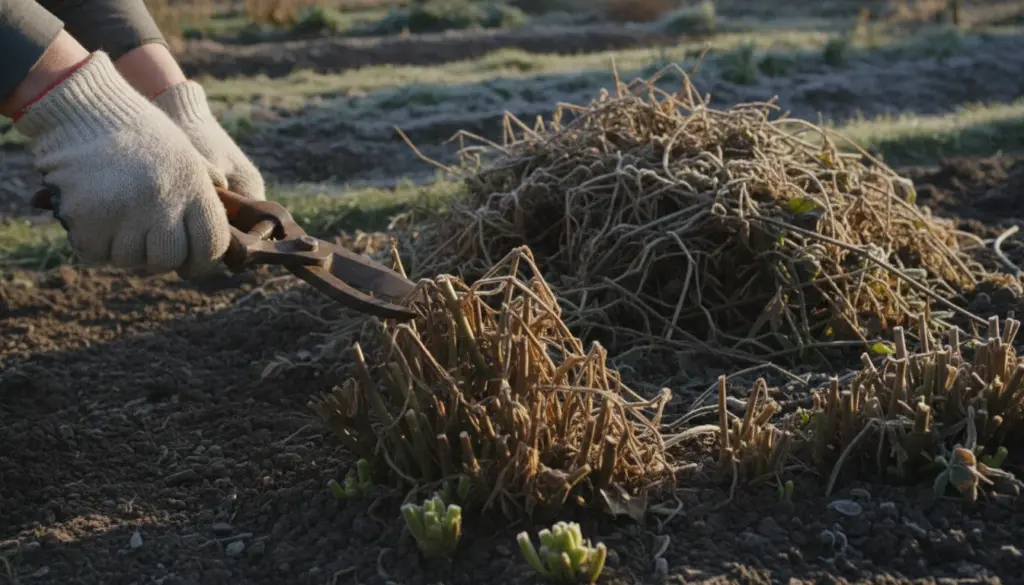
While many gardens still look completely dormant and lifeless on the surface, a quiet revolution is already happening beneath the soil. The final weeks of winter are actually the perfect time to guarantee vibrant, densely packed flower beds instead of weak, floppy stems. If you hold off until the “official” start of spring, you are bypassing a vital window of opportunity.
By executing a brief, strategic pruning session right now, you can offer your perennials a massive advantage. Of course, this only works if you understand which varieties need a trim and which should be left alone for a bit longer.
The final weeks of winter are golden for perennials
Throughout February and the early days of March, the daylight shifts, days stretch longer, and soil activity begins to awaken. Even though the frost might still bite, your garden is practically at the starting line. During this transition, garden beds are frequently choked with last year’s lifeless stalks, completely hiding the emergence of fresh, green growth.
Leaving that decaying debris in place for too long means your delicate new shoots might get trapped in the shade or physically smothered by the heavy, dead material. This drastically slows down their development and guarantees a very unkempt appearance as the season progresses.
By doing some targeted snipping at the tail end of the cold season, you avoid accidentally damaging those fragile new buds later on, giving your perennial favorites a much more vigorous kickoff.
Furthermore, this bare-bones phase is the ultimate time to evaluate your landscape’s overall layout. Without the distraction of lush foliage and bright blooms, you can easily spot empty patches, identify overcrowded specimens, and plan exactly where you might want to introduce new additions later on.
Cutting back hard: Why shorter pruning equals healthier plants
A lot of casual gardeners feel intimidated by the idea of aggressive trimming. However, the reality is that numerous perennial species actually thrive after a severe cut. As a general rule of thumb, experienced growers recommend chopping the dried, brown sections all the way down to just 5 to 10 centimeters above the soil line.
This deep trimming technique offers some major, undeniable benefits for your garden’s overall health:
- Dense, bushy development – By eliminating the aged, woody debris, you encourage a dense cluster of fresh stems to erupt directly from the root base. Rather than dealing with a plant that looks bare and leggy at the bottom, you are rewarded with lush, beautifully rounded foliage.
- Reduced pest and disease risks – Overwintering insects and dormant fungal spores absolutely love to hide inside withered leaves and hollow stalks. Clearing out and discarding this old organic matter helps eradicate a significant portion of these potential springtime headaches before they even start.