
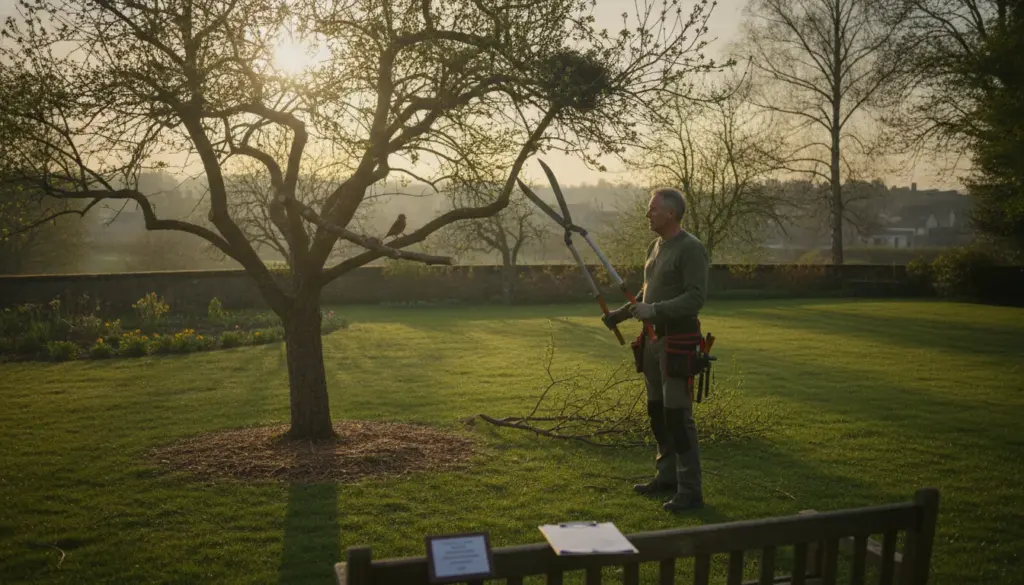
Why Yard Maintenance Rules Shift in Mid-March
When mid-March rolls around, your gardening checklist suddenly intersects with wildlife protection laws. This period marks the start of the sensitive bird breeding season in many regions, prompting authorities to strictly monitor hedge trimming and branch cutting. Making the wrong move in your yard right now could easily result in a hefty fine.
The reasoning behind these restrictions comes down to basic biology. As winter fades, plants enter a highly active growth phase with swelling buds and circulating sap. At the exact same time, various bird species start building their nests tucked away in garden hedges and decorative canopies. Trimming foliage during this window not only risks severely damaging your plants but also threatens active nests, eggs, and vulnerable chicks.
Across Europe, nesting birds are safeguarded by robust legislation, which local governments translate into specific municipal bans. Because of these rules, drastic shrub removal and branch cutting are generally strictly prohibited from the middle of March until late summer, often stretching to July 31.
This isn’t just about preserving massive, historic oaks. Even aggressively thinning out a standard privet hedge, cherry laurel, or small ornamental shrub can be flagged as an offense if it disturbs sheltering animals. As a general rule of thumb, it is safest to treat every leafy structure as a potential wildlife sanctuary once spring arrives. Furthermore, heavily snipping branches now can ruin your garden’s aesthetic yield, as most spring-flowering buds are already fully developed.
What Happens If You Cut Branches After March 15?
Ignoring these seasonal timelines goes beyond ecological harm. Whether intentional or completely accidental, destroying the habitats of protected bird species can trigger severe administrative penalties and, in the most severe cases, criminal charges. Breaking municipal ordinances usually results in immediate financial citations.
During the spring months, official inspections naturally increase. Neighbors, local environmental groups, and observant pedestrians frequently report suspicious chainsaw activity to municipal wardens or environmental agencies. If officials determine your maintenance wasn’t urgently necessary—especially on perfectly healthy foliage—you could face serious legal pushback under local greenery regulations.
Property owners need to adopt the mindset of a professional landscape manager. You must plan tasks well in advance, verify local codes, and avoid spontaneous yard work just because the weather happens to be nice.
When Are You Actually Allowed to Prune?
The goal isn’t to abandon garden maintenance entirely, but rather to shift invasive tasks to appropriate seasons. For standard residential landscapes, landscape professionals generally follow these seasonal timelines:
- Ornamental deciduous species: Trees like maples, lindens, and mulberries are best handled during complete dormancy in late autumn or winter, avoiding periods of extreme freezing temperatures.
- Conifers and evergreens: Opt for light shaping on pines, arborvitae, or laurels in late winter or toward the end of summer, dodging the peak spring growth spurt.
- Pome fruit varieties: Apple and pear trees should ideally be pruned during their winter dormancy.
- Stone fruit varieties: Peaches and apricots require very cautious thinning, typically right after they finish flowering, avoiding any aggressive modifications in late spring.
- The post-March 15 rule: Limit your tools exclusively to emergency safety interventions, such as removing brittle, storm-damaged, or heavily leaning branches.
Even when clearing hazardous debris hanging over walkways or driveways, it is highly recommended to document the scene with clear before-and-after photographs. Whenever feasible, secure a brief written assessment from a certified agronomist or arborist. This documentation easily proves to local authorities that you were addressing a genuine hazard rather than performing routine aesthetic shaping.
How to Maintain Your Yard Without Cutting
Putting away the shears does not mean your yard has to fall into neglect. Spring offers the perfect window for legally and environmentally safe chores that genuinely boost plant vitality. This is the ideal time to focus heavily on soil health and root nutrition.
You can actively improve your landscape by implementing a few vital habits:
- Manually pulling weeds near the base of trunks to reduce nutrient competition.
- Spreading mature compost or well-aged manure directly over the root zones.
- Inspecting and maintaining your drip lines or sprinkler systems before the dry season hits.
- Applying natural mulch like bark or dried leaves to lock vital moisture into the ground.
These specific activities fortify your greenery against severe summer drought, which is often much more damaging than skipping a seasonal trim. They also create a thriving environment for beneficial soil microorganisms and insects that dictate the overall fertility of your property.
How to Verify Your Local Trimming Regulations
Because environmental bylaws fluctuate wildly between different municipalities, verifying your specific local guidelines is absolutely essential. A foolproof approach involves three straightforward steps: reading the official green space maintenance ordinances on your town hall’s website, calling the local environmental protection department to confirm specific cutoff dates, and thoroughly inspecting your own branches for heavy bird activity.
If you are unsure about a particularly large specimen, especially one bordering a public road, bringing in a specialized expert is a smart investment. A certified tree climber, forester, or agricultural scientist can accurately differentiate between a critically necessary safety reduction and a purely cosmetic trim that must wait until autumn.
Clever Alternatives to Delayed Pruning
If you suddenly realize a canopy has outgrown its designated space a bit too late in the season, there are several non-invasive strategies to manage the situation until the next legal cutting window. Sometimes the easiest fix is simply rearranging your outdoor layout.
Shifting patio furniture, moving lightweight garden structures, or rerouting outdoor lighting cables can instantly eliminate clashes with low-hanging foliage. For younger, flexible shoots, you can employ temporary staking or gentle tying to physically redirect their growth path. As long as you utilize soft, wide materials that will not dig into the bark, this method safely manages spatial issues without stressing the plant or disturbing resident wildlife.
Preparing for Next Winter’s Maintenance
The mandatory spring and summer pause on canopy modifications provides a fantastic opportunity to strategize your future yard work. Watching your greenery during its peak foliage density makes it incredibly easy to identify which specific limbs create too much shade or cause structural imbalances.
Jotting down quick notes and snapping reference photos now will make your winter maintenance sessions incredibly efficient. It is also the perfect time to evaluate whether certain species have simply outgrown your property’s capacity. Planting massive shade varieties in compact urban lots is a notoriously common landscaping mistake.
Instead of battling restrictive regulations and attempting aggressive reductions year after year, consult with a professional about gradually swapping out massive specimens for naturally smaller alternatives. Gardeners who willingly adapt to these mid-March restrictions are ultimately rewarded with robustly healthy plants and a peaceful, legally compliant property. True horticultural success requires accepting that nature’s timeline always takes precedence over a human-made calendar.