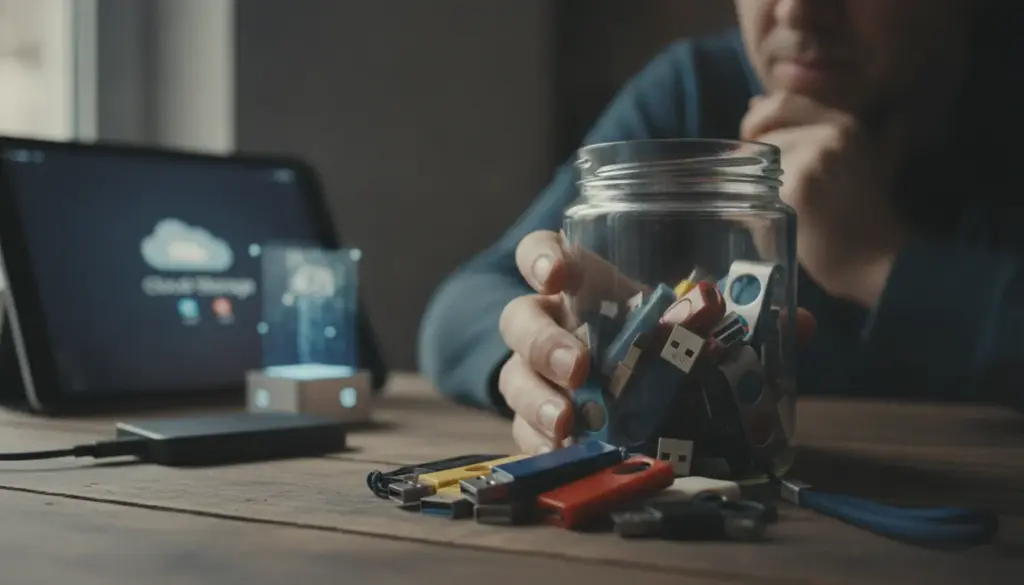
Do you still keep a stash of old flash drives in your desk drawer, hoping they will always save the day? The reality is quite harsh: the year 2026 is projected to mark the official end of the traditional USB era. This means accessing your stored files could soon become surprisingly difficult. Let’s explore why this iconic little gadget is losing the battle against modern tech, and which specific solutions will guarantee secure, lightning-fast file access without the hassle of stubborn connectors.
Remember when a thumb drive was your only option for transporting a movie or important documents? Those days are long gone. The explosive growth of cloud storage, blazing-fast external SSDs, and the widespread adoption of the USB-C standard have pushed the classic flash drive to the sidelines. Industry forecasts paint a clear picture: by 2026, the humble thumb drive will be relegated to highly specialized niche tasks. The sheer simplicity and portability that once made them indispensable just aren’t enough anymore. Today, we demand tools that are significantly faster, highly secure, and capable of holding massive capacities that a tiny vintage USB stick simply cannot handle.
Expert tip: Before tossing out your old flash drives, check them for long-forgotten photos. Flash memory has a finite lifespan—after roughly 10 years without being plugged into a power source, your data can literally begin to vanish due to electrical charge loss within the memory cells.
Why Have Traditional USB Drives Lost Their Appeal?
The decline of the classic thumb drive isn’t accidental; it directly reflects our evolving digital habits. The vast majority of modern laptops and tablets now exclusively feature USB-C ports, completely omitting the physical space required for the legacy USB-A standard we relied on for decades. While you can find dual-sided models on the market, their actual performance is frequently disappointing due to cheap manufacturing shortcuts.
The core issue becomes obvious when you look at the numbers. If your workflow involves 4K video, high-resolution photography, or virtual machines, standard capacities like 64 GB or 128 GB are frustratingly inadequate. To make matters worse, real-world write speeds on USB 3.0 or 3.2 models rarely match the bold claims printed on their packaging.
Relying on dongles and adapters doesn’t help either; it just creates unnecessary irritation. These clunky workarounds strip away the drive’s only real advantages: ergonomics and convenience. In our fast-paced reality, waiting twenty minutes for a single folder to copy is simply unacceptable.
What Alternatives Are Replacing the Flash Drive?
The primary successor to the aging thumb drive is the external SSD. Equipped with USB-C or Thunderbolt connections, these sleek drives utterly destroy old flash memory in both speed and storage space, typically offering anywhere from 500 GB to several terabytes. This is exactly what creative professionals use when editing heavy video footage or managing massive image libraries.
If you need maximum storage capacity on a tight budget, classic HDD hard drives still hold incredible value. They are an excellent choice for maintaining routine backups that just need to sit safely in a desk drawer. You can easily secure multiple terabytes of storage for a fraction of the cost of a modern solid-state drive.
Another incredibly viable option includes SD and microSD cards. These tiny formats dominate whenever ultra-compact size and direct integration with smartphones or digital cameras are required. While they can be physically delicate, premium models deliver exceptional performance, easily handling resource-heavy graphic files without breaking a sweat.
The Massive Benefits of Cloud Storage
The most profound shift in data management, however, has been brought about by the cloud. Platforms like Google Drive and iCloud provide something no physical piece of hardware ever could: global access to your files, instant sharing capabilities, and seamless automated synchronization. All of this magic happens quietly in the background, provided you maintain a steady internet connection.
While securing large storage tiers requires a monthly subscription fee, many users find it a worthwhile investment for unparalleled flexibility and security. You never have to panic about losing a thumb drive right before a crucial presentation again—your documents travel wherever you go, securely locked behind your account credentials.
Truthfully, cloud technology was the final nail in the coffin for carrying around physical data sticks. The sheer convenience of starting a document on your desktop and finishing it on your smartphone is too good to pass up.
Where Do Flash Drives Still Make Sense?
Despite the impending 2026 “retirement” date, traditional USB sticks won’t vanish from the face of the earth overnight. They will remain highly relevant for specific technical tasks. These include creating bootable media for operating system installations, flashing firmware updates for smart TVs, or transferring files in isolated environments entirely devoid of network coverage.
For the everyday user, managing data now breaks down into a highly logical system:
- SSDs for demanding workloads and massive files
- HDDs for deep archiving and routine backups
- SD cards for portable media devices and cameras
- The Cloud for seamless daily collaboration and cross-device access
The lasting legacy of the USB drive is that it taught us how to effortlessly share information across decades. Ultimately, shifting to new standards is just a natural evolution of technology, designed to make our lives easier and protect our irreplaceable digital memories from disappearing. Save this guide for reference during your next tech upgrade!