Rethinking Household Water Waste
Have you ever paused to calculate the sheer volume of pristine drinking water literally flushed down the drain every single day? Standard bathroom fixtures are notorious for depleting vital natural resources, driving up utility bills, and demanding complex plumbing installations. Picture a revolutionary setup that operates with zero water usage and no electrical power, seamlessly transforming human waste into nutrient-rich garden soil. Thanks to a groundbreaking development out of Canada, this sustainable vision is materializing and shifting how we approach ecological practices at home.
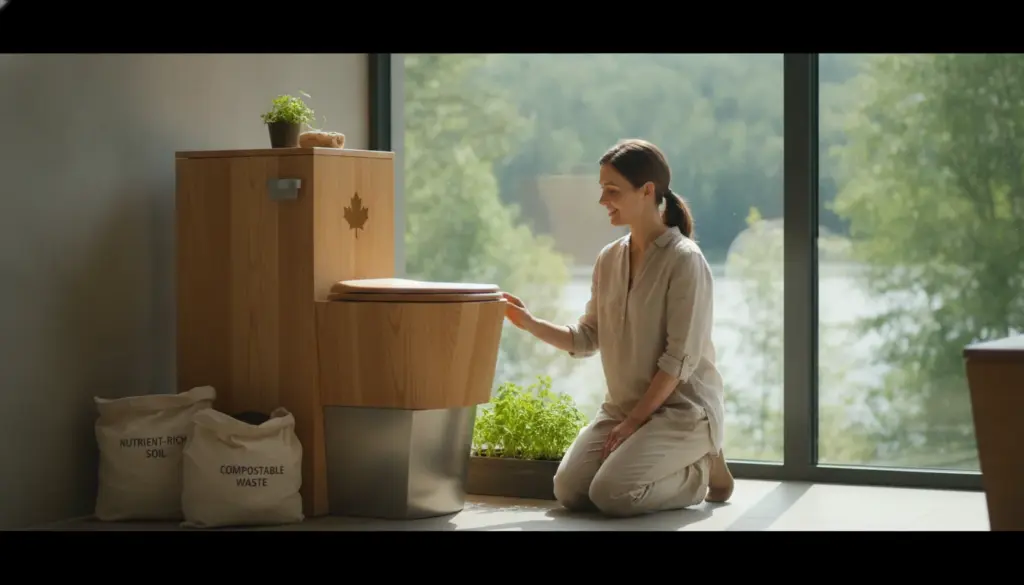
The standard flush commode is steadily becoming a relic of the past. As sustainable engineering advances and urban layouts demand better spatial optimization, bathroom configurations are undergoing a massive transformation. Scientists stationed at the University of British Columbia (UBC) in Vancouver have engineered the MycoToilet, a completely dry system designed to convert human refuse into valuable ecological assets. The true powerhouse behind this sanitary invention is mycelium—the dense, fibrous root structure of fungi—which handles all the necessary biological processing.
The Core Benefits of Fungal Processing
You might be curious about how these fungal networks actually manage organic waste. According to environmental experts like Professor Steve Hallam, these organisms act as highly efficient, natural biomass processors. By releasing specialized enzymes, the fungi naturally break down complex organic materials into simplified compounds that pose absolutely no threat to the surrounding environment. It represents a perfect marriage of raw biology and forward-thinking utility design.
Historically, the biggest drawback to off-grid composting systems has been the lingering, unpleasant smells. Fortunately, the Canadian research team successfully tackled this widespread issue. By integrating a specialized fungal matting, the unit can eliminate upwards of 90% of the volatile compounds that trigger those foul odors. Consequently, the user experience remains remarkably fresh and feels far superior to older, smellier sanitation alternatives.
Adding to its sustainable appeal, the structure incorporates a living “green roof” that boosts local biodiversity while facilitating a passive, low-energy ventilation process. Inclusivity was also a primary focus during the drafting phase. The layout is entirely accessible for elderly individuals and wheelchair users, ensuring this eco-friendly option remains practical and comfortable for everyone.
Expert Tip for Off-Grid Upgrades
When evaluating dry sanitation systems for a cabin or vacation property, always verify that the unit includes an integrated liquid fraction separator. When paired with an active fungal network, this specific component is the absolute key to guaranteeing an odor-free environment while significantly accelerating the overall composting timeline.
How the MycoToilet Actually Operates
The mechanics behind this Canadian invention are remarkably straightforward yet incredibly productive. Over the course of twelve months, a single household unit is capable of generating exactly 600 liters of dense, solid compost alongside 2000 liters of fluid fertilizer. Adopting this method not only preserves global water reserves but also provides you with high-quality, complimentary plant nourishment, effectively eliminating the need to purchase harsh synthetic agricultural chemicals.
Because it functions as a fully self-contained pod, the MycoToilet operates without any ties to municipal water lines or sewage networks. This level of autonomy makes it an outstanding choice for isolated rural properties, protected national parks, and forward-thinking urban zones aiming to drastically slash their water footprint. Ultimately, it stands as a brilliant investment for anyone focused on lowering utility expenses while actively nurturing the local ecosystem. Be sure to bookmark this guide for your future home improvement plans.