Unlocking Decades-Old Ecological Secrets
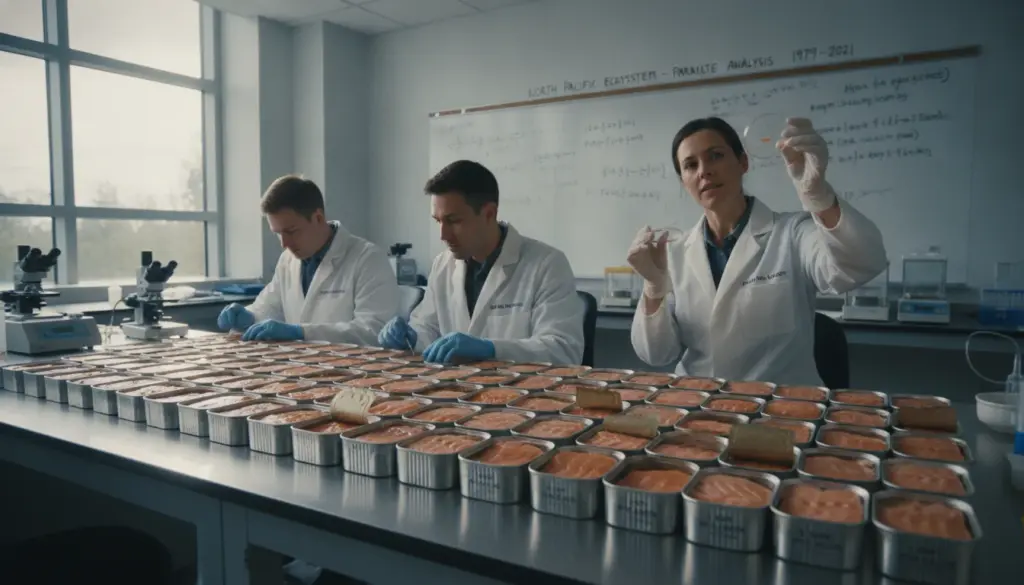
Opening decades-old canned goods is not usually a recipe for ecological insight, yet recent marine analyses proved otherwise. Ecological researchers from the University of Washington recently examined over 170 tins of preserved salmon dating from 1979 to 2021. Rather than a culinary tasting, this thorough scientific investigation aimed to uncover what long-forgotten pantries could reveal about historical marine life. The results provided a remarkably optimistic outlook for the North Pacific’s aquatic ecosystem.
Parasites in Vintage Cans as Unexpected Ecological Indicators
Inside these retro tins, investigators discovered tiny marine roundworms known as anisakids. While the extreme heat of the traditional canning process effectively killed these parasites, their microscopic structures remained perfectly intact and identifiable. For parasitology experts, these preserved specimens transformed ordinary supermarket items into an absolute goldmine of historical data.
Most consumers naturally associate the presence of worms with contamination or poor quality. However, ecological researchers draw an entirely different conclusion from this fascinating discovery. Finding these specific parasites actually points to a highly robust marine food web. These complex organisms can only complete their intricate life cycles when multiple levels of the ocean’s ecosystem are functioning flawlessly.
Finding these organisms in vintage preserves does not signal dangerous food, but rather a surprisingly vibrant and healthy ocean environment.
Understanding the Complex Salmon Parasite Journey
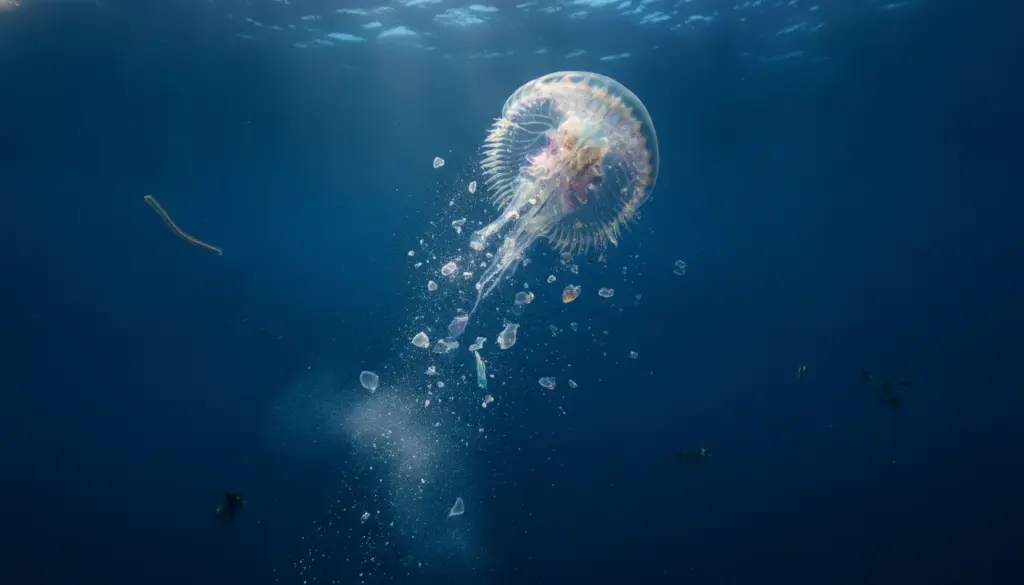
To fully grasp why this matters, we must look at how anisakids move through different marine hosts. These resilient organisms navigate a fascinating biological journey:
- Initial larvae drift through the water and are consumed by tiny crustaceans, such as krill.
- Salmon and other foraging fish devour the infected krill, absorbing the parasites into their own tissue.
- Apex predators, primarily marine mammals like whales and seals, subsequently hunt and eat these fish.
- The parasite finally reaches maturity and completes its development within the mammalian digestive tract.
If any single link in this delicate chain collapses, the entire biological loop immediately halts. Because scientists discovered consistent parasite levels across four decades of preserved samples, it strongly suggests a long-lasting, stable network of prey and apex predators thriving throughout the northern Pacific waters.
Rising Parasite Populations Through the Decades
During their detailed examinations, the research team noticed a striking historical trend. The more modern salmon tins contained a significantly higher average number of parasites compared to the older vintage batches. These biological markers showed a steady upward trajectory from the late 1970s right up to 2020.
Several intersecting environmental factors likely drive this fascinating increase. Specialists are currently evaluating several potential catalysts:
- The successful recovery of marine mammal populations following stricter international conservation laws.
- Shifting ocean water temperatures directly linked to ongoing global climate variations.
- Natural fluctuations in the massive swarms of krill and similar foundational prey species.
- The positive ecological impacts of cleaner waters in specific marine territories.
Experts caution against simplifying this complex data into a basic equation where more parasites automatically equal a better ocean. Nevertheless, these detailed archival metrics prove that despite severe challenges like industrial pollution, persistent overfishing, and rising global temperatures, localized marine food webs have remained wonderfully resilient.
Supermarket Staples as Biological Time Capsules
Items originally destined for a kitchen pantry have suddenly evolved into invaluable scientific archives. The intense sterilization processes utilized in commercial canneries inadvertently lock the physical structures of tiny organisms into place, preserving them perfectly for decades. Consequently, the humble contents of a tin become a frozen snapshot of a bygone ecosystem.
A simple can of everyday salmon is essentially a time machine, holding crucial biological information about the oceans of yesterday.
This realization unlocks an entirely novel avenue for ecological research. Historical museum exhibits, forgotten inventory from major food distributors, and even eclectic private collections might house previously unknown data regarding our historic seas. Every batch of preserved fish from a specific year and geographic zone offers a miniature, localized cross-section of the era’s marine food chain.
Enhancing Traditional Research Methods
Historically, marine biologists had to rely on fragmented historical records or limited contemporary sampling to gauge ocean health over time. By incorporating these newfound archival preserves into their methodology, environmental scientists can develop a much richer, comprehensive picture of how our oceans transform. This allows experts to accurately measure just how rapidly ecosystem recovery—or devastating decline—truly occurs.
Is Seafood from 1979 Still Technically Safe?
Obviously, serving a multi-decade-old fillet for dinner is highly unadvisable. However, this rigorous study highlights that commercial preserves can technically remain viable for astonishingly long periods, provided the container stays completely intact and the initial manufacturing met strict safety standards.
Commercial seafood processing involves subjecting the meat to extreme temperatures under immense pressure. This essential sterilization eradicates dangerous pathogens while simultaneously preserving complex proteins and cellular structures. For everyday shoppers, this guarantees a highly secure meal. For analytical researchers, it ensures that remnants of microscopic organisms stay visually intact.
When Do Marine Parasites Actually Pose a Health Risk?
Consuming a deceased parasite within a properly sterilized meal poses absolutely no danger to human health. The true risk emerges when handling raw or undercooked dishes. Ingesting live anisakids can trigger severe gastrointestinal distress in humans, occasionally accompanied by intense allergic reactions that mimic extreme food poisoning.
To guarantee culinary safety, professionals recommend adhering to straightforward preparation guidelines:
- Cook raw catches thoroughly, ensuring the core reaches at least 60 degrees Celsius for a minimum of one minute.
- Deep-freeze ingredients intended for sushi or ceviche for several days at commercial freezing temperatures.
- Always purchase preserved goods from reputable manufacturers that employ heavily monitored sterilization processes.
- Immediately discard any dented or compromised tins—they belong in the trash, not on your dining table.
Fascinatingly, the exact same thermal technique that neutralized these tiny threats for consumers is what allowed scientists to rediscover and analyze them decades later.
Connecting Vintage Catch to Modern Climate and Pollution
The statistical data extracted from these aging tins adds profound depth to ongoing debates concerning global marine health. Since the 1970s, environmentalists have continually raised alarms regarding catastrophic overfishing, plastic proliferation, and chemical contamination. Concurrently, nations have established protected marine sanctuaries, outlawed destructive harvesting methods, and successfully reduced specific industrial pollutants.
By contrasting parasite loads in catches from varying historical eras and geographical zones, marine specialists gain critical visibility into several key areas:
- The precise speed at which heavily damaged aquatic ecosystems can naturally regenerate.
- The tangible biological impacts of modern conservation efforts on localized food webs.
- Specific oceanic regions where environmental pressures continue to escalate dangerously.
- The intricate correlations between massive climate shifts and fluctuating parasite populations.
If researchers expand this innovative methodology to include canned tuna, sardines, and other heavily commercialized species, they could construct a magnificent historical mosaic of oceanic time series. This vast influx of fresh data could dramatically refine current biodiversity and climate forecasting models.
Expanding Horizons for Archives and Food Distributors
This fascinating breakthrough opens unexpected doors far beyond standard biology departments. Major food corporations are now realizing their dusty, forgotten test inventories might actually represent untapped scientific gold. Furthermore, historical museums housing antique maritime collections can suddenly elevate their institutional roles, transforming from simple heritage guardians into active partners in modern climate research.
Even bureaucratic government agencies that stockpile vast emergency rations might unwittingly possess comprehensive datasets tracking the hidden history of global fish populations. A simple, forgotten shelf of provisions in a dark basement could easily transform into a primary source for today’s oceanographers.
For the average consumer, this unique scientific tale offers an unconventional perspective on household goods. Expiration dates merely dictate edible quality, entirely ignoring the profound biological records hidden within the packaging. What modern society quickly dismisses as expired waste can remain an incredibly precious resource for dedicated analysts for decades to come.
Ultimately, this pioneering study demonstrates how microscopic organisms—even widely despised parasitic worms—can broadcast a remarkably encouraging ecological message. Not every unsettling discovery pulled from the sea signifies a devastating environmental collapse. Inside a meticulously sterilized tin manufactured in 1979, the presence of deceased roundworms powerfully confirms that historic oceans were absolutely teeming with vibrant life, and vital segments of that majestic system continue to endure today.