The global decline of frog populations serves as a stark reminder of just how fragile our ecosystems and climate have actually become. Whenever you hear the croak of a frog today, you are essentially listening to a live status report on the health of our forests, rivers, and farmlands.
Nature’s Invisible Caretakers
In our busy daily routines, we rarely give amphibians much thought. These creatures prefer to stay hidden in muddy banks, tucked beneath rocks, or camouflaged among reeds. However, they are quietly working overtime throughout the entire year.
Frogs consume astonishing quantities of insects. A single individual can easily devour dozens of mosquitoes and other agricultural pests in just one night. On a grander scale, this massive appetite prevents significant crop devastation and dramatically lowers the risk of insect-borne diseases.
At the same time, they serve as a fundamental food source. Countless birds, reptiles, and small mammals rely heavily on amphibians to survive. If you remove them from the equation, entire terrestrial and aquatic food webs begin to collapse.
These silent laborers maintain a delicate ecological balance completely under our radar. Their constant activity ensures that essential nutrients keep circulating through ponds, ditches, and wetlands. They process organic waste and keep algae growth in check, which ultimately leads to cleaner water. When frog populations vanish, a destructive chain reaction typically follows: murky waters, surging pest numbers, and a steep drop in local biodiversity.
An Early Warning System for Pollution
Amphibians react to environmental shifts with incredible speed. Because their highly permeable skin functions much like a sponge, both water and dissolved chemicals absorb directly into their bodies. This unique biological trait makes them extremely vulnerable to heavy metals, agricultural pesticides, and industrial runoff.
As a result, wildlife experts treat frogs as living environmental barometers. If these amphibians suddenly disappear or display unusual behaviors, it almost always indicates a serious problem with the local water supply or surrounding habitat. In numerous regions, these behavioral shifts are directly linked to our changing climate.
For instance, when water temperatures rise, male frogs actually alter their mating calls. They often croak much louder and at a faster pace to attract attention in warmer conditions. While this might sound like a trivial detail, it perfectly illustrates how even minor temperature fluctuations can drastically modify reproductive behavior.
By tracking local populations and analyzing their acoustic signals over time, researchers effectively gather real-time climate data. Instead of relying solely on traditional charts, scientists listen to a natural chorus that slightly changes its tune year after year.
Biological Complexity Beneath the Surface
To the untrained eye, most frog species look fairly similar, sharing traits like smooth skin, bulging eyes, and powerful jumping legs. Yet, if you look at their internal biology, the narrative becomes remarkably complex.
In certain species, sex determination relies on a fascinating duplicated gene. Rather than evolving an entirely new genetic mechanism, nature cleverly repurposed existing DNA. This incredible genetic “recycling” makes studying their reproductive cycles both incredibly difficult and endlessly fascinating.
Furthermore, modern DNA sequencing has completely upended how we categorize these animals. What biologists considered a single species for over two centuries is often a collection of completely distinct, genetically unique animals that just happen to look identical.
Failing to identify these subtle differences can lead to accidental extinctions. If conservationists focus all their resources on protecting one broad category, a hidden sub-species might quietly disappear forever. Effective habitat preservation requires precise knowledge of what specific animals live in an area, alongside their exact temperature and water quality needs.
The Hidden Meaning Behind the Croaks
That chaotic evening chorus echoing around your local pond actually contains a wealth of detailed information. Male frogs vocalize both to seduce females and to establish territory against rival males. The specific pitch, rhythm, and duration of a call broadcast the caller’s overall physical fitness.
Studies continuously show that females gravitate toward males producing the fastest, most vigorous sounds. It makes perfect evolutionary sense: a dominant call requires immense energy and signals superior genetics. However, this strategy comes with a fascinating biological trade-off.
Surprisingly, the most attractive and vocal males frequently carry heavier parasite loads. Nature is full of these high-stakes compromises. While a booming serenade increases the odds of mating, it also puts the animal’s long-term health at severe risk. It is a beautiful demonstration that survival isn’t about achieving perfection, but rather navigating a constant balance between risk and reward across generations.
Toxic Defenses and Clever Survival Tactics
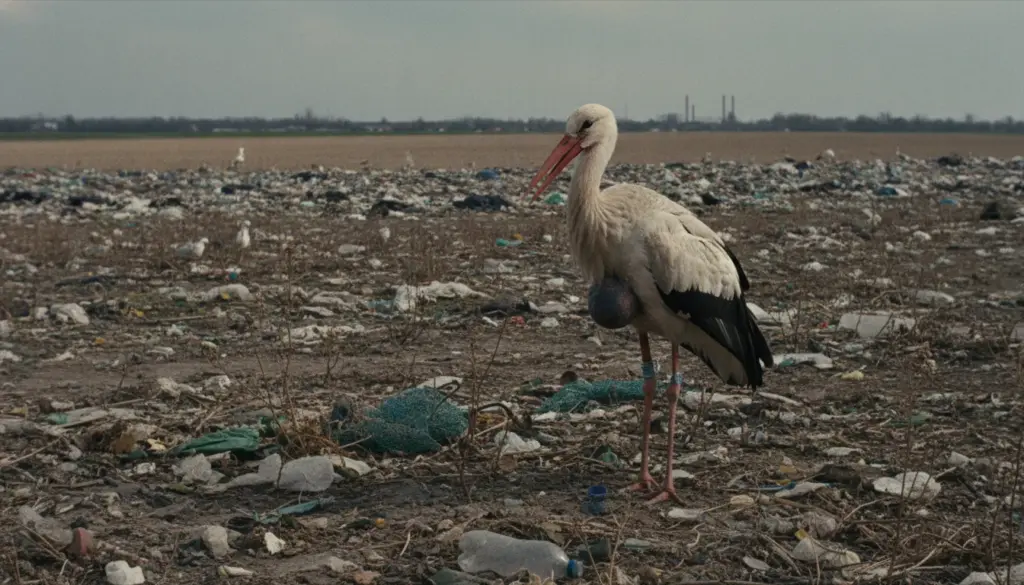
Life as a small amphibian is exceptionally perilous. Nearly every predator near a water source—from storks and herons to snakes and hedgehogs—views a frog as an easy snack. To counter this relentless pressure, they have evolved an impressive arsenal of survival strategies:
- Potent skin toxins designed to sicken or deter aggressive predators.
- Advanced camouflage that blends flawlessly into mud, leaves, and rocks.
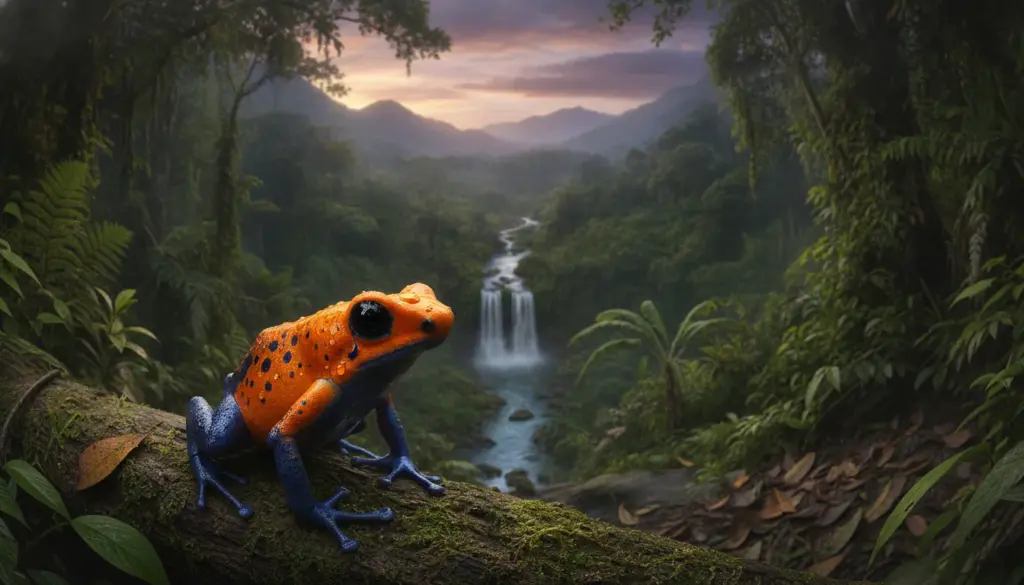
- Vivid warning colors like bright red or yellow to signal extreme toxicity.
- Strict nocturnal habits to avoid encounters with daytime hunting birds.
- Erratic, explosive leaps meant to instantly confuse an attacker.
Interestingly, the poisons found in some deadly frog varieties chemically resemble the venom of specific wasps, despite the two creatures being entirely unrelated. This is a classic case of convergent evolution, where distinct animals independently develop the exact same biochemical defense to solve a shared survival challenge.
The Mounting Threats Facing Amphibians
Despite their remarkable adaptability, frogs are currently suffering catastrophic losses on a global scale. The most critical threat is severe habitat destruction. Wetlands are being drained, natural riverbanks are being paved over, forests are being leveled, and ancient streams are being forcefully straightened.
This relentless development destroys crucial zones where amphibians hide, hibernate, and breed. When a natural ditch is aggressively dredged into a deep, uniform canal, the shallow, sun-warmed waters necessary for tadpole development are completely wiped out.
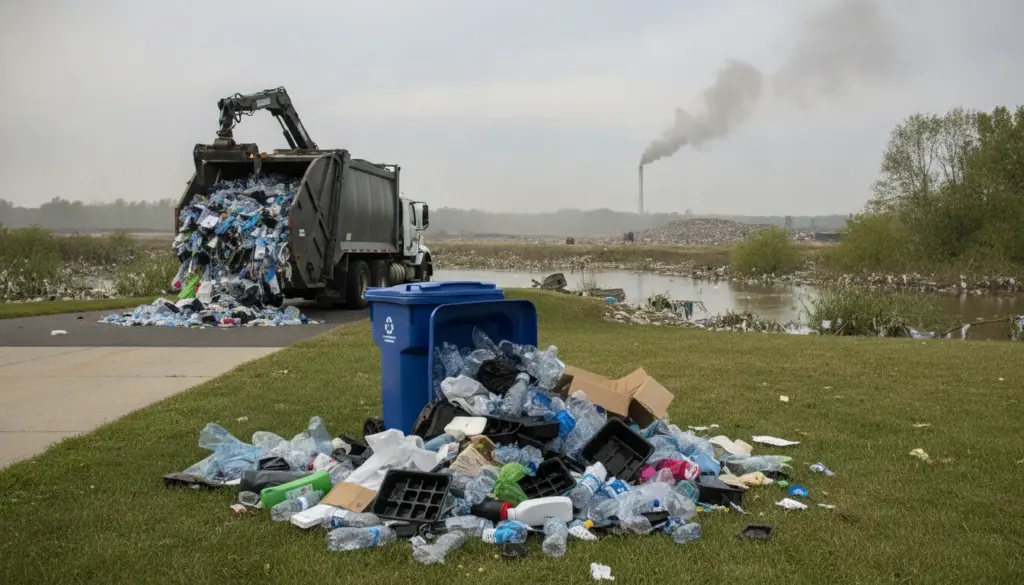
Chemical pollution severely amplifies this crisis. Runoff from fertilizers and synthetic pesticides flows directly from farmlands into local ponds. Because frogs absorb these toxins right through their skin, even minuscule concentrations can trigger severe hormonal disruptions that halt reproduction entirely.
Climate instability adds yet another layer of stress. Unpredictable seasons, prolonged droughts, and unusually wet winters throw their delicate breeding cycles into chaos. Puddles dry up before tadpoles mature, eggs hatch during freak cold snaps, or predators adapt to shifting temperatures much faster than the amphibians can.
Finally, the devastating fungal disease known as chytridiomycosis continues to ravage populations worldwide. This aggressive fungus destroys the frog’s skin, stripping away its ability to regulate vital salts and moisture. Entire communities can collapse within weeks, even in highly protected nature reserves.
The Crucial Message of World Frog Day 2026
Celebrated annually on March 20th, World Frog Day originally started as a simple awareness campaign. By 2026, however, the event carries a much darker and more urgent tone, as countless species now teeter on the very brink of extinction.
Major conservation groups, including the International Union for Conservation of Nature (IUCN) and the Amphibian Survival Alliance, are scrambling to implement aggressive protection plans. Their efforts extend beyond frogs to protect all amphibians, including toads, salamanders, and the elusive caecilians.
A thriving amphibian population almost always guarantees a healthy surrounding ecosystem. When their numbers plummet, it indicates that the entire local environment is under immense stress.
Current global initiatives range from restoring vital marshlands to funding emergency breeding programs for critically endangered species. Researchers are also heavily focused on monitoring water toxicity in agricultural zones. Governments utilize this invaluable data to draft smarter, more effective policies covering agriculture, climate action, and wildlife protection.
How You Can Help Protect Local Frogs
You certainly don’t need a degree in biology to make a tangible difference. Anyone with access to a small garden, a balcony, or community green space can actively support amphibian survival.
Even urban residents have a role to play. Creating shaded facade gardens, leaving out shallow dishes of clean water during dry spells, and participating in neighborhood rainwater collection projects are all excellent steps. Every single patch of preserved greenery and drop of unpolluted water makes survival slightly easier for these creatures.
What Frogs Reveal About Our Shared Future
Ultimately, the desperate fight to save these amphibians extends far beyond a single group of animals. Their struggles clearly highlight the deep, undeniable connections between global water management, climate stability, agricultural practices, and human health.
When frogs vanish from a region, you will typically observe:
- Highly acidic or chemically contaminated soil.
- Degraded local water sources that complicate drinking water supplies.
- A massive surge in destructive agricultural pests.
- A noticeable decline in insect-eating birds.
- A heightened risk of dangerous mosquito-borne disease outbreaks.
For local governments, frogs act as an incredibly practical metric for success. A robust, vocal frog population proves that environmental policies are working, water levels are stable, and the landscape is balanced enough to support sustainable agriculture.
As World Frog Day 2026 approaches, it provides the perfect catalyst for citizens to engage with local water boards and municipalities. Starting conversations about neighborhood green spaces, responsible bank mowing, and pesticide restrictions can yield massive benefits. Simple, localized choices—like preserving wild edges along community ponds—can profoundly improve both amphibian survival and the overall water quality we all rely on daily.