A Second Life for an Everyday Household Item
That seemingly useless worn-out cleaning tool can actually become a silent hero for your indoor and outdoor greenery. A growing number of gardening enthusiasts are discovering brilliant second uses for everyday household waste. While coffee grounds nourish the soil and eggshells fortify garden beds, that discarded scrubber offers an unexpected advantage.
Once thoroughly sanitized, it transforms into an incredibly practical asset for container gardening, balcony planters, and traditional garden beds alike.
Why This Porous Material is Botanical Gold
You might think its only job is soaking up dirty dishwater, but this dense material does much more. It naturally retains moisture, promotes excellent airflow, and creates a micro-buffer within the soil profile. This specific combination of traits makes it a highly effective botanical tool.
By properly preparing a used scrubber, you can create underground moisture reserves, successfully germinate delicate seedlings, insulate tender root systems against sudden temperature drops, and even deter common garden pests.
Repurposing these items not only reduces household waste but also maximizes the efficiency of your watering routine. The secret to success lies entirely in strict sanitation and strategic placement.
Crucial First Step: Sterilizing the Material
Before introducing a kitchen or bathroom accessory to your greenery, you must eliminate any lingering bacteria or fungal spores. You certainly don’t want to transfer harmful pathogens to vulnerable, young foliage.
The Step-by-Step Cleaning Process
- Thorough rinsing: Wash the material under hot, running tap water until absolutely no soap bubbles remain.
- Boiling: Submerge it in a pot of actively boiling water for several minutes to eradicate the vast majority of microbes.
- Deep disinfection: After letting it cool slightly, choose one of two methods: either microwave it while lightly damp for precisely 60 seconds, or soak it in a bath of white household vinegar for 15 minutes.
- Complete drying: Allow the item to air-dry entirely in a well-ventilated area.
Expert tip: If it still emits a musty odor or feels brittle and crumbly after this intensive cleaning, throw it away. It has degraded too far for safe botanical use.
Building a Hidden Watering Reservoir
The most obvious horticultural benefit of this porous material is its exceptional water-holding capacity. For container gardens, window boxes, and hanging baskets, this hidden reservoir can mean the difference between thriving foliage and wilted stems after a blistering afternoon.
Upgrading the Bottom Layer
While many gardeners rely on expanded clay pebbles at the base of containers to facilitate drainage, this alternative approach actively holds a localized water reserve while still allowing roots to breathe.
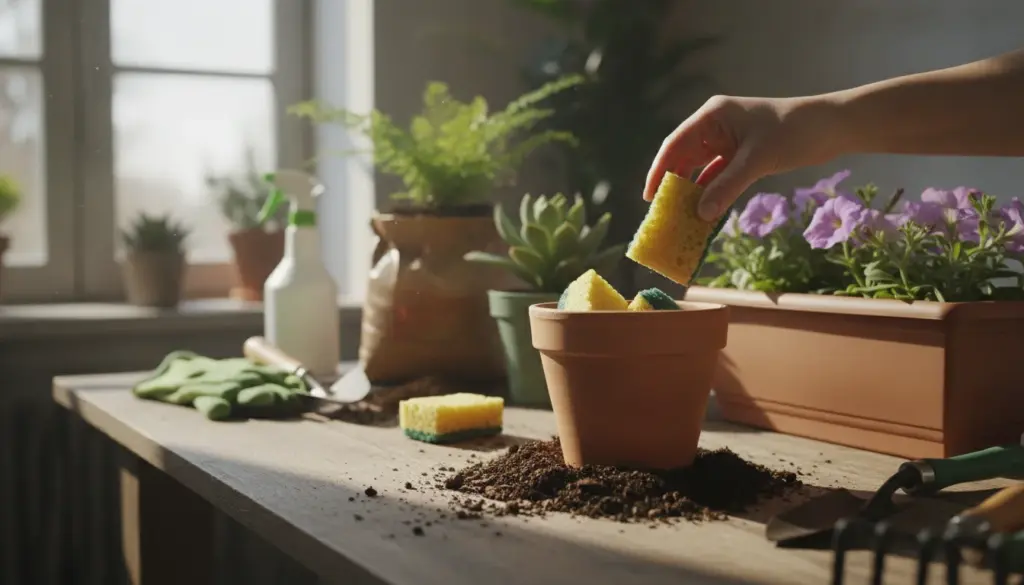
- Cut the sanitized material into custom pieces to fit the bottom of your specific planter.
- Position these chunks directly over or near the drainage holes.
- When you irrigate, the porous structure absorbs excess moisture and releases it gradually back into the potting mix.
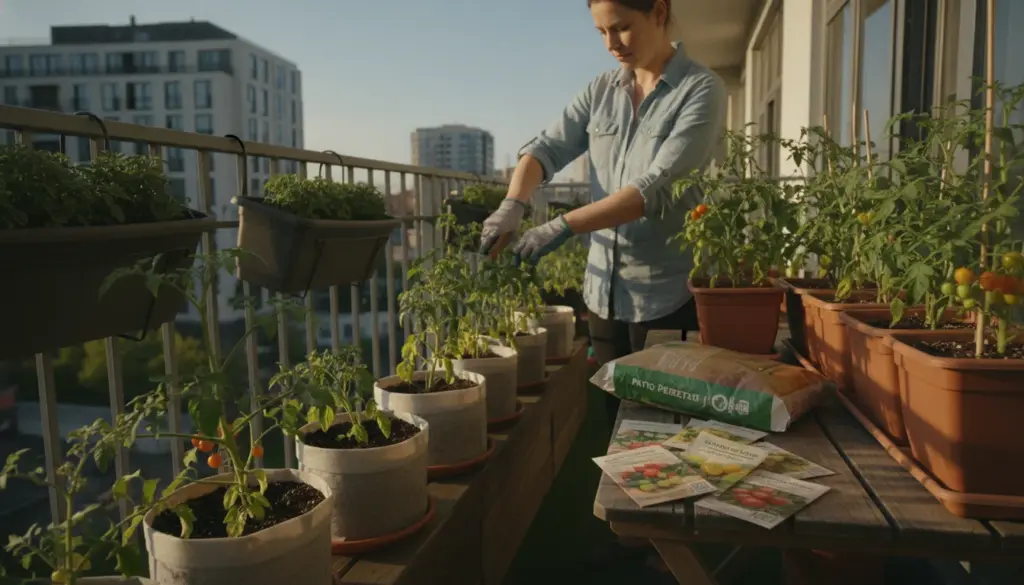
This technique is particularly valuable for sun-drenched balconies and fast-drying culinary herbs like parsley and basil, buying you precious extra time between watering sessions.
Direct Root Zone Hydration
Alternatively, you can target the root zone directly. Simply place a dampened piece—soft side down—right against the topsoil near the base of the stem, then lightly cover it with a layer of potting mix.
As the surface soil dries out, moisture wicks upward and outward toward the thirsty roots. This is a fantastic safeguard if you are stepping away for a weekend trip.
Savvy urban gardeners often bury several damp pieces throughout large balcony troughs before heading off on summer vacations. Thirsty seasonal bloomers like petunias and geraniums respond exceptionally well to this steady hydration during unexpected heatwaves.
Innovative Seed Germination
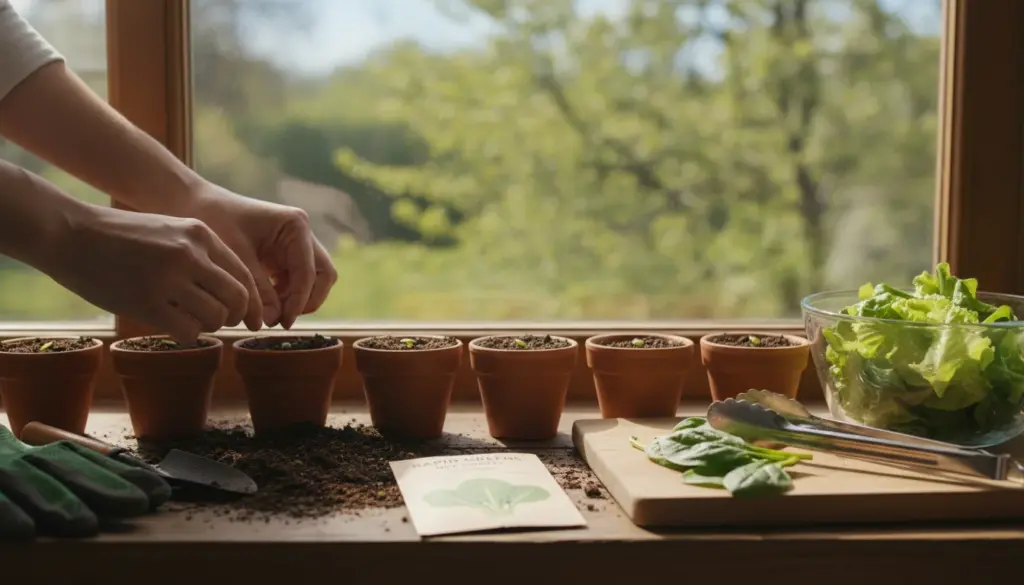
Here is a lesser-known trick: utilizing the porous material as an innovative seed-starting medium. This technique yields fantastic results for varieties that require consistent, unwavering moisture, such as radishes, lettuce, garden cress, and assorted herbs.
Creating a Moisture-Rich Nursery
Because the micro-environment remains perfectly damp, germination rates are typically rapid and robust. Once your tiny seedlings reach a few inches in height and develop their first set of true leaves, you simply transplant the entire block directly into the earth.
The delicate new roots will effortlessly push through the barrier, which will eventually degrade or remain harmlessly integrated to improve long-term soil aeration.
Insulation Against the Elements
Many delicate botanical varieties despise sudden temperature plummets, especially during the unpredictable spring transition. A strategically placed piece of this household material acts as a miniature protective cushion, mitigating extreme environmental fluctuations.
Deploying a Micro-Mulch Barrier
Lay a flat, moistened piece (soft side facing the earth) directly around the base of the stem, using a small pebble to anchor it in place. This creates an immediate insulating blanket right above the critical root zone.
- It traps residual warmth in the earth following a sunny afternoon.
- It dramatically slows the evaporation rate from the critical topsoil layer.
- It absorbs the harsh impact of heavy rainfalls, preventing the soil surface from crusting and compacting.
For young vegetable starts, container-grown culinary herbs, or potted Mediterranean varieties, this basic shield can provide just enough insulation during a chilly May evening or a blustery, dry afternoon.
Natural Aromatic Pest Control
Beyond moisture management, this tool excels as an aromatic distribution center to ward off unwanted visitors. Certain concentrated scents are highly offensive to common garden insects, yet remain perfectly pleasant for humans enjoying a warm summer evening outdoors.
Warding Off Insects with Essential Oils
By saturating the material with diluted fragrant oils, you can establish a long-lasting, subtle olfactory barrier around your most susceptible crops. Experienced organic gardeners frequently turn to:
- Peppermint oil
- Citronella oil
- Lavender oil
Simply take a clean, dry piece, moisten it slightly, and apply a few drops of your chosen essence—always heavily diluted in water or a neutral carrier oil. Hang or place these fragrant blocks near foliage that regularly suffers from chewing insects.
The dense structural fibers trap and release the scent much longer than a standard cloth rag ever could, helping you reduce your reliance on harsh synthetic chemicals while successfully minimizing pest pressure.
Crucial Safety Precautions for Your Garden
Exercise caution, as not every kitchen scrubber belongs in the dirt. Strictly avoid heavy-duty scouring pads infused with aggressive abrasive grits or synthetic antibacterial chemicals. These commercial additives can leach undesirable toxins into your vegetable patches or ornamental beds.
Make it a habit to inspect these buried helpers every few weeks. If they develop visible mold, begin disintegrating rapidly, or emit a foul odor, promptly remove and discard them.
When working in an edible garden or vegetable patch, rely exclusively on thoroughly rinsed, unscented materials to ensure zero dish soap or chemical degreaser residues contaminate your harvest.
More Creative Horticultural Applications
Once you embrace this sustainable recycling habit, you will continually discover innovative applications. For instance, you can wedge thin strips between delicate propagation cuttings to maintain a perfectly humid rooting environment.
For indoor houseplants, resting decorative cachepots on a thin layer of this material catches excess drainage, preventing deadly root rot while saving the soil from bone-dry conditions.
A fantastic project for kids: It also serves as a brilliant, mess-free educational experiment. Simply grab a transparent container, insert a wet block, and scatter some lentil or cress seeds on top. Within days, children can watch the root systems weave right through the visible fibers, making botanical education engaging without the mess of indoor potting soil.
Adventurous green thumbs can even mix and match these strategies: utilizing a bottom-layer reservoir, starting seeds on a customized block, and hanging a scented deterrent nearby. Ultimately, a seemingly expired cleaning tool transforms into a versatile, highly valuable instrument for an intelligent and eco-conscious gardening routine.