The Primary Culprit: Inadequate Ambient Humidity
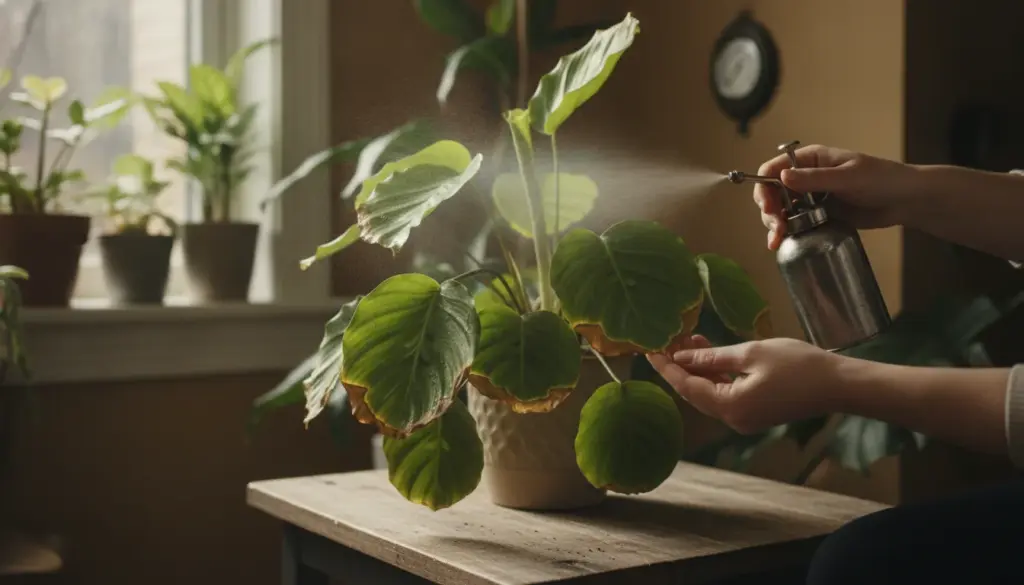
Have you caught yourself inspecting your favorite indoor plants, only to find the tips of their foliage turning brittle and brown? This frustrating issue plagues both seasoned gardeners and casual houseplant owners alike, yet it serves as a clear distress signal you shouldn’t brush off. By understanding exactly what your greenery is trying to communicate, you can effectively halt the damage through a few straightforward adjustments, bringing that vibrant, healthy appearance back to your indoor jungle.
During the bitter chill of winter when heaters run nonstop, or throughout summer with the air conditioning blasting, your indoor climate can become incredibly parched. When the surrounding environment lacks sufficient moisture, water evaporates right out of the foliage much faster than the root system can replenish it. Consequently, the furthest extremities of the plant—the very ends of the leaves—are the first to crisp up and perish.
It is crucial to grasp a fundamental botanical concept here: ambient humidity and soil moisture are two completely different things. You could practically have a swamp inside the planter, yet the foliage will still develop burnt-looking edges if the surrounding air resembles a desert environment.
Beyond Dry Air: Other Hidden Causes of Plant Stress
While a lack of moisture in the air remains the most common offender, the list of potential triggers extends a bit further. Inconsistent hydration routines—whether you are neglecting the watering can or drowning the soil—disrupt essential moisture transport. If the potting mix stays perpetually soggy, the roots inevitably rot and lose their ability to absorb fluids, which surprisingly leads directly to desiccated leaf edges.
Another frequent, yet overlooked, trigger is standard tap water. High concentrations of fluoride, chlorine, or calcium can be quite harsh on sensitive root networks. When dealing with delicate greenery, the ideal approach involves switching entirely to filtered water, or at the very least, allowing boiled water to sit out before use.
Occasionally, we simply love our plants a little too much and go overboard with feeding them. An accumulation of mineral salts in the potting mix essentially scorches the roots, a trauma that visually manifests as brown, crispy margins along the foliage. Furthermore, never underestimate the damage caused by cold drafts or harsh, direct sunlight, which can scorch fragile species like a hot skillet.
Botanical insight: Should you spot a crusty, white layer forming on the topsoil, this indicates an excessive buildup of salts from hard water or heavy fertilizing. The safest remedy is to thoroughly flush the container with copious amounts of filtered water to wash away the residue, or simply swap out the top few inches of dirt for fresh, high-quality soil.
The Great Pruning Dilemma: Should You Snip Those Brown Ends?
The short answer is yes, provided you do it thoughtfully. Any portion of the foliage that has already darkened and crisped is entirely dead tissue; it will never magically regain its lush green hue. Trimming away these unsightly fragments instantly improves the aesthetic of your plant, reducing your daily frustration whenever you glance at the windowsill.
However, horticultural specialists strongly recommend that you avoid cutting all the way into the healthy, green tissue. Instead, leave a microscopic, barely visible margin of the dead brown edge behind. This careful technique ensures you don’t create a fresh wound on the living leaf, which would only trigger a new wave of dieback. Always remember to make your cuts using sharp, freshly disinfected shears.
Professional Tricks for Preventing Future Leaf Crispiness
If arid air is the primary struggle, introducing a compact indoor water feature or a dedicated humidifier near your green collection works wonders. For a simpler, zero-cost alternative, try placing a full glass of water right next to the pots. As the liquid slowly evaporates, it naturally generates a localized, moisture-rich microclimate around the foliage.
Routine misting serves as another highly beneficial practice, provided you can commit to doing it consistently every day. If poor water quality is the suspected culprit, start pouring exclusively from a filtered pitcher. Meanwhile, if nutrient burn is to blame, rely on the previously mentioned soil-flushing technique or repot the plant entirely.
Keep in mind that while these corrective measures cannot reverse existing damage, they will successfully shield all upcoming new growth. As long as you dedicate just a little mindful attention to their specific needs, your plants will undoubtedly bounce back, rewarding you with spectacular growth and vibrant, flawless greenery.