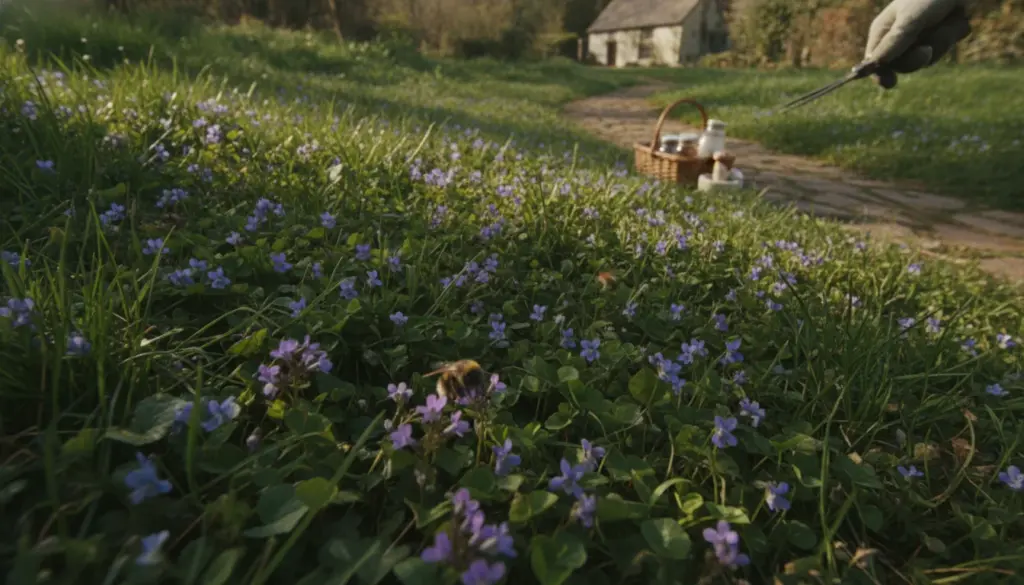
Spring Flowers That Deserve a Place in Your Yard
Every March, tiny blue and purple blossoms begin popping up across our lawns. While many homeowners immediately reach for the weeding tools, these resilient little plants are actually incredibly valuable. They might easily blend in alongside your garden path, yet these early arrivals are absolutely essential for foraging bees, hungry bumblebees, and even your own kitchen.
Learning to properly identify these species will permanently change how you view your yard, offering you free, healthy ingredients right outside your door. As temperatures slightly rise in early spring, a colorful array of purple and blue flora pushes through the soil. Sadly, the standard gardening routine often dictates that these blooms meet a swift end via the lawnmower or rake.
Eradicating them removes a critical early food source for beneficial insects and destroys a surprising, natural pantry for ourselves. What initially looks like a messy lawn is actually a collection of the season’s most prized wild vegetation.
Three specific varieties stand out in this early spring landscape:
- The highly fragrant sweet violet, a timeless classic.
- The robust, savory ground ivy (also known as creeping charlie).
- The delicate, sky-blue Persian speedwell.
Together, they act as a living barometer for your yard’s overall ecological health, signaling a vigorous, active soil system beneath your feet.
Sweet Violet: A Scented Lifeline for Insects
As one of the very first plants to wake up after winter, the sweet violet frequently tucks itself away near garden edges, beneath woody shrubs, or alongside fences. You can easily spot its presence by looking for deep purple petals, heart-shaped leaves, and a distinctly sweet, almost nostalgic fragrance.
Why You Should Leave Violets Untouched
Historically, herbalists utilized sweet violets to craft soothing teas, sweet syrups, and traditional cough remedies, thanks to their natural essential oils, mucilage, and flavonoids. Today, however, ecological gardening experts strongly recommend leaving these specific flowers exactly where they are.
- They emerge exactly when overwintering insects desperately need early nectar.
- Unlike aggressive invasive species, they do not form massive, suffocating carpets.
- For many gardeners, their nostalgic beauty brings immense emotional value to the landscape.
If you practice nature-friendly gardening, simply kneel to enjoy their wonderful scent, but avoid harvesting the entire patch. Leaving them undisturbed ensures that early solitary bees and bumblebees have enough sustenance during a time when food is incredibly scarce.
Ground Ivy: A Stubborn Spreader Turned Kitchen Staple
The story changes quite a bit when dealing with ground ivy. This low-profile, creeping botanical can rapidly conquer extensive sections of your lawn or flower beds. Small, purplish-blue, lip-shaped flowers peek out between rounded, scalloped leaves, weaving a miniature garland directly over the soil surface.
From Yard Nuisance to Flavorful Ingredient
Ground ivy packs a fascinating biochemical profile, containing a mix of tannins, saponins, essential oils, and bitter compounds. This unique cocktail delivers an intense, savory, and highly herbaceous flavor profile. While the pungent taste might require some getting used to, utilizing it in moderation adds an incredible depth to everyday dishes.
Brilliant culinary uses include:
- Finely chopping it into fresh herb butter or creamy spreads.
- Tossing a few sparse leaves into a vibrant salad base of arugula or lamb’s lettuce.
- Adding a spicy, aromatic punch to a wild greens omelet featuring chickweed or nettle.
The golden rule for cooking with ground ivy is to always use it sparingly. Because the flavor is so concentrated, just a handful of leaves will completely transform your recipe.
Since this plant typically grows in massive abundance, you can harvest your lawn’s creeping carpet absolutely guilt-free. In fact, regularly snipping it back is an excellent way to keep its rapid spread under control.
Persian Speedwell: A Mild, Sky-Blue Ground Cover
Persian speedwell is often the very first splash of color you will notice in an early spring lawn. This adorable botanical forms dense, low-growing mats packed with vivid green foliage and microscopic, bright blue flowers featuring distinct, dark veins. Unfortunately, if you maintain a strictly manicured lawn, this delicate species is usually the first casualty of the mower.
An Edible Accent for Salads and Plating
While perhaps not as famous as the common dandelion or daisy, Persian speedwell proudly belongs on the roster of edible spring wildcrafting herbs. Its flavor is wonderfully mild, faintly fresh, and nowhere near as overpowering as ground ivy.
You can beautifully incorporate this plant by:
- Mixing its tender young leaves and flowers into a wild spring salad mix.
- Using the tiny blooms as a gorgeous, edible garnish on artisan bread, warm soups, or plated desserts.
- Pairing its softness against peppery greens like mustard leaves or mature arugula.
Because Persian speedwell tends to pop up in massive quantities across grassy areas, harvesting it poses zero threat to the local population. Just remember to always leave a generous portion behind so that neighborhood pollinators can still enjoy their share.
What These Wild Blooms Reveal About Your Yard
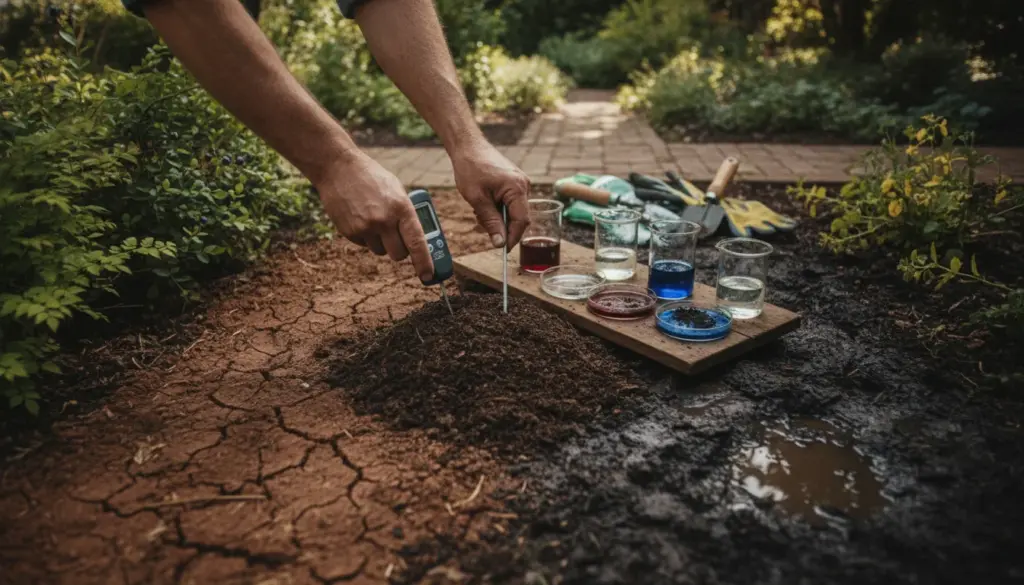
Spotting a variety of purple and blue wild flora in March is actually a fantastic indicator of underlying soil vitality. Their presence points to an earth rich with biological activity, including beneficial microbes, active fungi, earthworms, and native insects.
You rarely see these vibrant indicators in heavily chemicalized, tightly mowed ornamental turf that relies entirely on synthetic fertilizers. Once you train your eye to look past the “weed” label, your yard transforms into a living, breathing report card on local biodiversity and soil health.
Shifting from a Weed-Killing Habit to a Foraging Mindset
For decades, property owners have been conditioned to react with a single, automatic reflex: anything not intentionally planted must be eradicated. While that mentality certainly fits a highly controlled aesthetic, it simultaneously drains your time, wastes money, and severely damages local biodiversity.
Embracing a slightly different approach is often incredibly rewarding:
- Allow at least one designated section of your grass to grow a bit taller.
- Dedicate a specific corner of the yard where wild native plants can thrive undisturbed.
- Practice selective foraging by heavily utilizing abundant species while fiercely protecting the rare ones.
By implementing these simple changes, you naturally cultivate a miniature edible landscape that benefits the earth, the insects, and your family. Those purple and blue specks will no longer look like messy flaws; they will serve as beautiful proof of a thriving, functional ecosystem.
Cultivating Self-Sufficiency with Wild Edibles and Microgreens
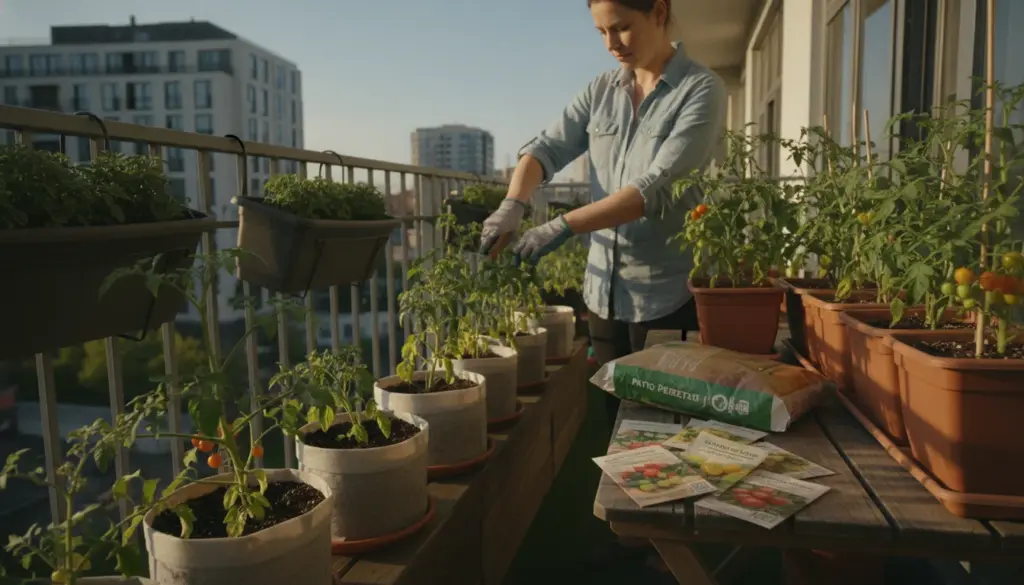
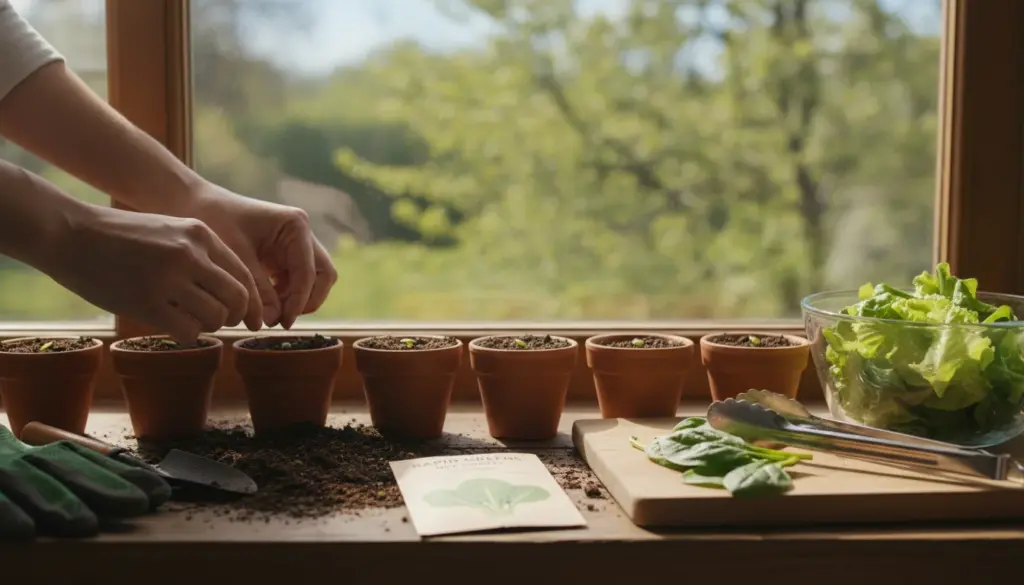
Once you discover the immense joy of foraging right outside your door, your perspective on grocery shopping begins to shift. Many items we routinely toss into our supermarket carts can easily be sourced directly from a balcony planter, a sunny windowsill, or your own backyard.
A brilliant strategy is to combine your wild yard herbs with easily cultivated indoor microgreens. By simply using a shallow tray, a bit of moisture, and some fleece material, you can sprout nutrient-dense baby greens like radish or arugula in less than a week. This highly efficient method produces incredible flavor and dense nutrition in a remarkably tiny space.
Smart additions for boosting your household food independence include:
- Keeping a continuous tray of microgreens on the kitchen counter for instant, daily harvesting.
- Planting a classic culinary herb station with parsley, chives, and mint right alongside your wild finds.
- Growing cut-and-come-again lettuce varieties in simple balcony pots for endless salads.
When you blend homegrown staples with wild treasures like Persian speedwell and ground ivy, you instantly reduce your reliance on fluctuating grocery prices and limited store selections. You absolutely do not need acres of farmland to achieve this; a modest suburban backyard or a few well-placed container pots will do the trick beautifully.
If you are entirely new to wildcrafting, always utilize a reliable field guide or botanical identification card to prevent any dangerous mix-ups. The cardinal rules of foraging are simple: only consume plants you can positively identify with absolute certainty, start with tiny quantities to test your palate, and intentionally leave plenty behind for nature.
By following these steps, those lovely blue and purple dots will continue to return every spring, kickstarting a sustainable, edible landscape for both wildlife and yourself.