While countless homeowners view these fluttering insects as mere outdoor ornaments, their complete absence actually serves as a severe red flag regarding the vitality of your yard. On the flip side, spotting them frequently around your property is a massive reason to celebrate. Their arrival is never random; it serves as living proof that you have successfully cultivated a robust, chemical-free habitat that thrives with life and supports natural botanical renewal.
What does it mean when butterflies visit your property?
These winged marvels stand out as some of the most captivating creatures in nature, drawing our attention with their vibrant colors and distinct fluttering patterns. Contrary to popular belief, they do not just wander into your yard by chance. Instead, these highly intuitive pollinators actively hunt for specific environments that provide abundant nectar supplies and secure shelter.
Whenever you notice them lingering nearby, it is a clear indicator that your greenery is in prime health, offering them the precise nutrition they require. It is crucial to recognize their fundamental ecological function. By actively transporting pollen between blossoms, they drive the fertilization process—a vital mechanism without which numerous plant varieties would simply cease to exist.
Assessing Your Garden’s True Health
Pro Tip for Gardeners: Wondering if your yard is genuinely organic? Pay close attention to the specific species dropping by. Spotting a Swallowtail or Peacock butterfly serves as the ultimate seal of approval for your local ecosystem’s supreme quality.
Why their arrival is fantastic news for your yard
Welcoming these delicate insects brings far more than just visual charm; it delivers tangible ecological rewards that every homeowner should understand. Truthfully, drawing them in is the highest form of praise any gardener can receive. Here are the core messages they are broadcasting about your space:
- Robust and thriving vegetation: These pollinators strictly opt for locations boasting lush, juicy plants packed with high-quality nectar.
- Optimal ecological harmony: They flock to stable environments that actively promote a rich diversity of species.
- Superior natural pollination: Through their daily foraging routines, your blooming plants and fruiting shrubs will blossom more vibrantly and yield heavier harvests.
- Zero toxic interference: Acting as phenomenal biological indicators, they strictly avoid any areas tainted by pesticides or harsh agricultural chemicals.
When these creatures decide to settle in your green space, it confirms you have engineered the ultimate living conditions. Consequently, this often indicates vastly improved soil health and cleaner air in your immediate vicinity.
How to draw even more winged visitors to your outdoor space
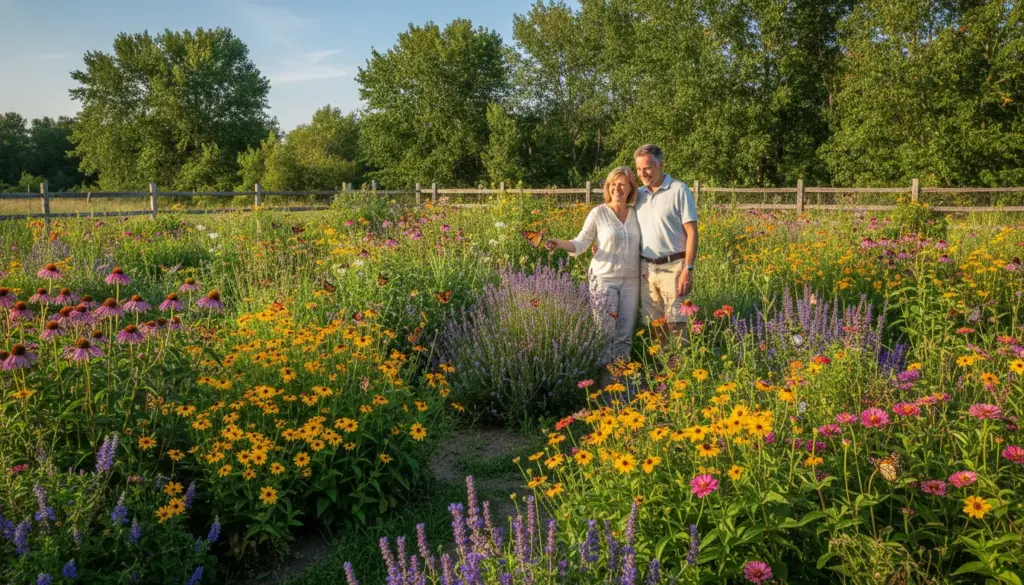
Have you ever pondered how to transform your backyard into an irresistible sanctuary for these beautiful guests? Fortunately, implementing a few straightforward landscaping strategies can significantly increase their daily visits:
- Cultivate nectar-heavy varieties: Prioritize planting species like lavender, oxeye daisies, coneflowers, and the butterfly bush (Buddleja davidii).
- Ensure non-stop blooming: Strategize your planting layout so that fresh blossoms are consistently available from the onset of early spring right through late autumn.
- Ditch the harsh chemicals completely: Step away from synthetic fertilizers entirely. Embrace organic pest control tactics to avoid poisoning these highly beneficial insects.
- Set up a safe hydration station: A simple shallow dish filled with fresh water and a few resting stones is all they need to safely land and quench their thirst.
Ultimately, these delicate creatures represent a foundational pillar of the natural world. Their activity offers far more than just aesthetic appeal; it stands as undeniable evidence that your local habitat is vibrant, unpolluted, and perfectly primed for life. By protecting them, you are directly safeguarding the overall health and harmony of your own backyard.