Have you noticed crisp, darkened edges on your favorite house foliage, even when you strictly follow a hydration schedule? Spotting these blemishes can be incredibly disheartening when you are trying to cultivate a vibrant indoor jungle. The good news is that reaching for the watering can is rarely the actual fix. Resolving this cosmetic issue requires tapping into the lesser-known environmental preferences of your botanical companions. By recognizing what they are truly asking for, you can easily restore their lush, vibrant greenery and steer clear of everyday care blunders.
The Real Reason Behind Browning Leaf Edges
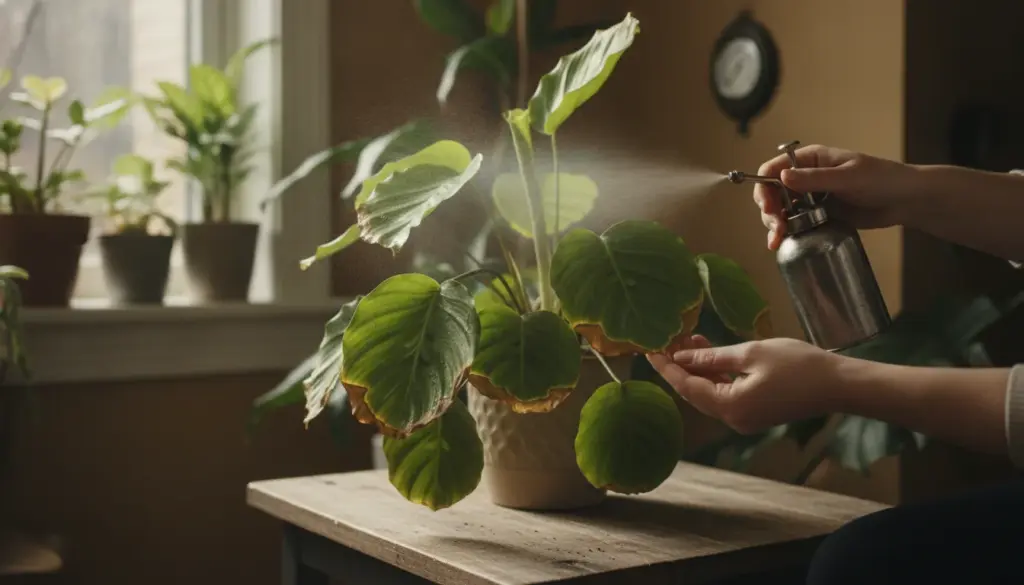
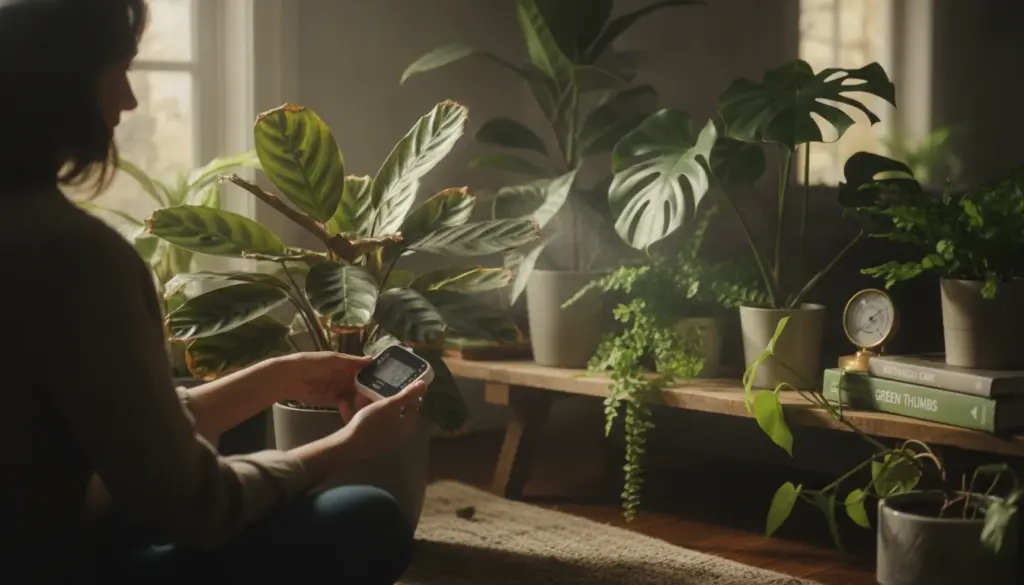
Contrary to popular belief, those discolored borders rarely point to an empty watering can. In most indoor spaces, the primary culprit is actually insufficient ambient moisture. Heating systems and air conditioning units strip the atmosphere of essential water vapor, creating a harsh climate for houseplants. Under these arid conditions, foliage loses its natural stretch, growth stalls, and the outermost margins crisp up—regardless of how damp the potting soil happens to be.
In reality, the vast majority of our indoor botanical varieties originate from tropical regions and crave far more humidity than standard homes naturally provide. Beyond dry air, utilizing untreated tap water can also trigger distress. Unfiltered water tends to deposit heavy salts and chlorine directly into the soil. Similarly, applying excessive fertilizer acts as a chemical burn to sensitive plant tissues, which ultimately manifests as those unsightly dark marks along the edges.
A Quick Diagnostic Touch Test
Expert tip: You can easily identify the root cause by gently feeling the affected foliage. If the darkened edges feel crispy and easily shatter when rubbed between your fingers, you are dealing with a severe lack of humidity. On the other hand, if those spots feel mushy to the touch or feature a distinct yellow halo, your leafy friend is likely suffering from root distress caused by overwatering or heavy salt buildup.
How to Prevent and Treat Crisp Margins
Bouncing back from these cosmetic issues requires establishing an ideal environmental humidity range, ideally hovering between 40% and 60%. One highly effective strategy involves clustering several pots together to generate a shared, localized microclimate. Alternatively, you can run a dedicated room humidifier or rest your planters on a shallow pebble tray filled with water. Just ensure the bottom of the container sits completely above the liquid line to prevent soggy roots!
The quality of your hydration source carries equal weight in preventing tissue burn. Whenever possible, nourish your indoor garden using rainwater, filtered water, or tap water that has been left sitting out in a jug for at least 24 hours. This simple waiting period gives harsh chlorine plenty of time to evaporate while heavier minerals settle at the bottom. If you suspect an accidental fertilizer overdose has occurred, you can easily remedy the situation by flushing the potting mix with copious amounts of fresh water, allowing it to drain freely from the bottom holes.
Telling the Difference Between Thirst and Dry Air
Accurate troubleshooting is the foundation of excellent plant care. A specimen that genuinely requires a drink will communicate its thirst quite clearly: the entire plant structure will droop, look limp, and lose tension, while the top few inches of the soil will feel bone dry. Occasionally, you might also spot widespread yellowing across the foliage.
Environmental stress brought on by a parched atmosphere presents entirely different symptoms. In this scenario, the stems remain rigid and upright, yet the individual leaves might begin curling inward. Their outer boundaries will take on a papery, brittle texture, even when the underlying potting mix remains perfectly moist. By keeping an eye out for these nuanced signals, you can confidently maintain a thriving, verdant indoor oasis year-round.
Bookmark this quick reference guide so you are always prepared to nurse your botanical collection back to peak health.