A Hollywood Discovery in the Heart of the Jungle
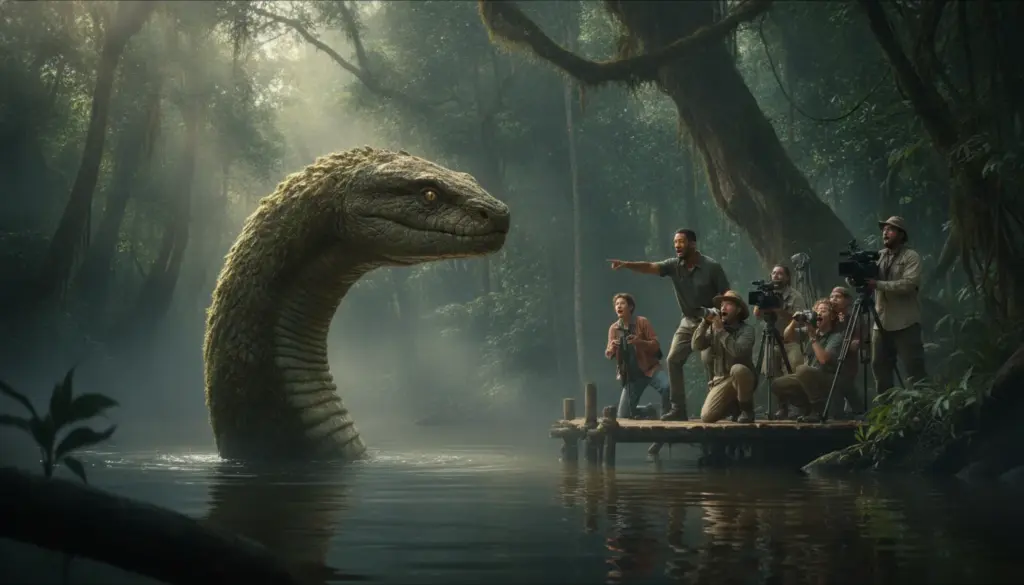
The Amazon rainforest just surrendered a colossal secret that completely blindsided the scientific community. While filming an ambitious National Geographic series featuring Will Smith, an expedition team stumbled upon what looked like a massive piece of waterlogged driftwood. That is, until they noticed the gigantic log was actually drawing breath.
Deep within the treacherous Ecuadorian jungle—a place most adventurers actively avoid—Professor Bryan Fry documented an absolutely astonishing biological marvel. We now have a brand-new apex predator on the books: the Northern Green Anaconda (Eunectes akayima).
For decades, experts confidently believed they fully understood these massive constrictors. However, nature clearly had a brilliant trick up her sleeve. While shooting the documentary “Pole to Pole with Will Smith,” the crew unexpectedly found themselves rewriting modern biology.
Navigating the Green Abyss
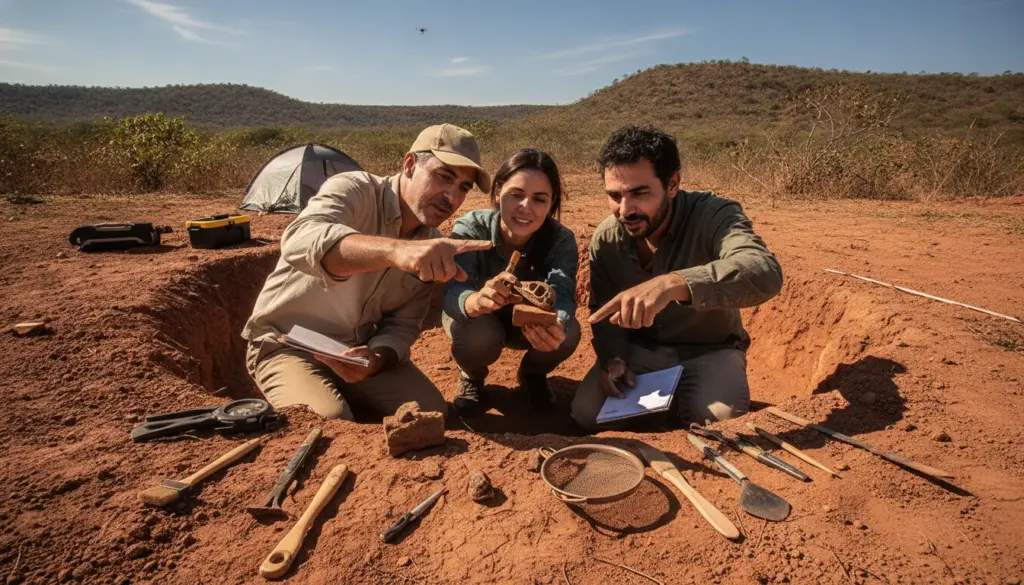
Tracking down an evolutionary record-breaker hidden in isolation is no walk in the park. For ten grueling days, researchers waded waist-deep through murky, unpredictable waters. Without the crucial survival skills of the indigenous Waorani trackers, the scientific team could have easily become a quick meal for the local wildlife.
Navigating traditional wooden canoes through remote river networks, the explorers entered pristine territories unseen by outsiders for decades. The steady nerves of the local guides proved invaluable, ultimately allowing the team to safely capture several awe-inspiring reptiles.
One particular specimen stretched to an incredible 6.3 meters in length. Finding a colossus of this magnitude completely rewrites the rulebook for reptilian growth.
Ancient Legends Become Scientific Fact
Working alongside local indigenous communities wasn’t just helpful; it was the key to this entire breakthrough. The Waorani people possess generations of intimate knowledge regarding exactly where these beasts sleep and how to approach them safely.
For centuries, indigenous storytellers have shared gripping tales of local anacondas stretching beyond 7.5 meters. Historically, the scientific establishment brushed these claims off as mere campfire myths or exaggerated folklore. Today, those ancient whispers are being treated as absolute fact.
To the local inhabitants, these massive serpents are considered sacred. If the persistent rumors of eight-meter giants are eventually confirmed, this newly classified species will undeniably reign as the largest snake on Earth. It is terrifyingly easy to picture a predator of that magnitude effortlessly swallowing livestock whole.
Mud, Sweat, and a Genetic Anomaly
Reaching the muddy, isolated habitats of these beasts was a true logistical nightmare. The dense swamps and concealed tributaries feature water so thick and dark it feels like you could slice it. Here, the heavy serpents wait patiently in the shallows, perfectly camouflaged until an unsuspecting victim makes a fatal misstep.
The sheer scale of this discovery proves that our understanding of the planet remains shockingly incomplete. Consider these astonishing facts about the newly discovered creature:
- Unprecedented Size: While the expedition captured a 6.3-meter giant, it weighs heavier than a small vehicle and hints at even larger hidden monsters.
- Stunning DNA Differences: The Northern Green Anaconda diverges from the previously known green anaconda by more than 5 percent genetically.
To put that evolutionary leap into perspective, humans and chimpanzees are separated by a mere 1 percent in their genetic makeup.
The Amazon continues to be a vast, uncharted frontier concealing its most formidable treasures beneath muddy waters. Have you ever encountered something that looked like an inanimate object, only to watch it suddenly spring to life? Share your wildest experiences in the comments below!