While land-dwelling dinosaurs were just beginning to establish their global dominance, a staggering 25 meters of pure prehistoric muscle silently prowled beneath the ocean’s surface. Fast forward to a quiet shore in Somerset, UK, where incredible fossil remains of an ancient ichthyosaur have finally been brought to light.
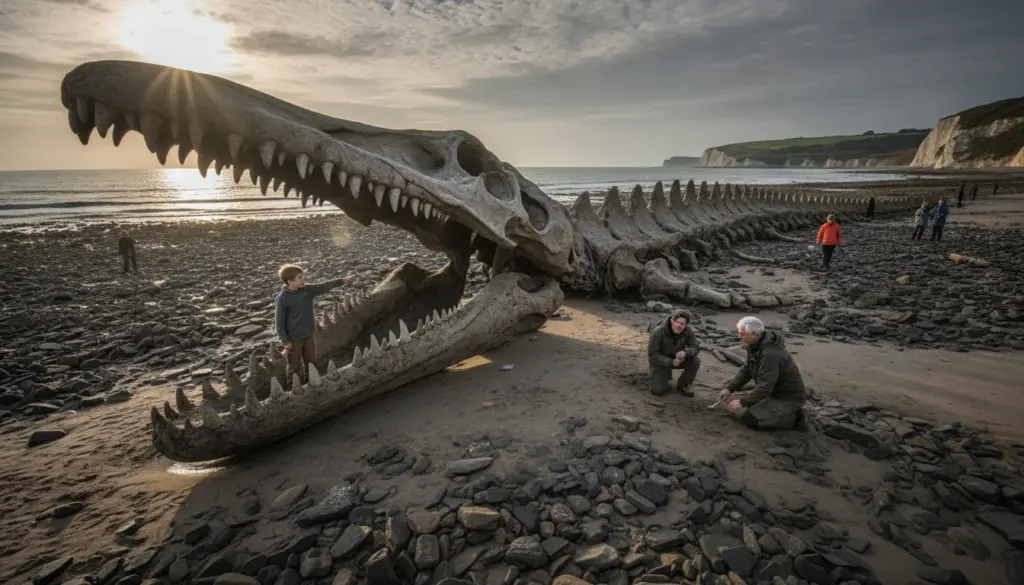
Dating back a mind-boggling 202 million years, this newly identified species, officially named Ichthyotitan severnensis, shatters previous records. It stands as one of the most massive marine reptiles to ever exist on our planet. To put its sheer scale into perspective, the creature’s jawbone alone spanned a full two meters, hinting at the terrifying prowess of this Late Triassic apex predator.
A Whale-Sized Predator That Ruled the Triassic Seas
Picturing this ancient leviathan is actually quite straightforward. Imagine the sleek, familiar shape of a modern dolphin, but spectacularly scaled up to the colossal dimensions of a blue whale. Despite their striking resemblance to today’s marine mammals, these fascinating beasts were entirely distinct from both whales and actual water-dwelling dinosaurs.
Evolution has a funny way of working in reverse. The ancestors of ichthyosaurs originally walked on land before making a sudden evolutionary U-turn back to the oceans roughly 250 million years ago. Within a relatively brief geological window of just a few million years, they rapidly expanded to over 15 meters in length. By the Late Triassic period, evolution pushed the boundaries even further. Ichthyotitan confidently shattered the 25-meter mark, firmly establishing itself as the undisputed ruler of the ancient deep.
How a Routine Beach Walk Triggered a Scientific Breakthrough
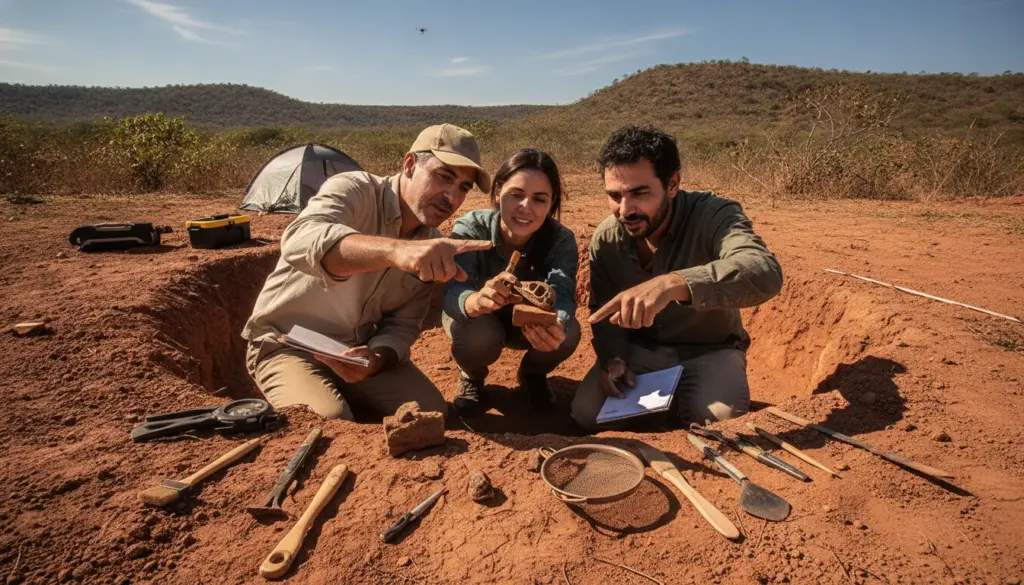
This incredible paleontological milestone didn’t come from a highly funded academic expedition. The initial breadcrumbs were discovered back in 2016 when fossil hunter Paul de la Salle stumbled upon unusual fragments in Lilstock. However, the truly groundbreaking moment occurred four years later in 2020.
While enjoying a casual stroll with her father along Blue Anchor beach, an 11-year-old girl named Ruby Reynolds spotted bone fragments that would ultimately transform our understanding of marine history. Recognizing they had found something extraordinary, the family immediately reached out to paleontology expert Dean Lomax.
Together with a dedicated research team, they painstakingly pieced together this massive prehistoric puzzle. Now 15 years old, Ruby is officially recognized as a co-author of the resulting scientific publication. It is a stunning reminder of how youthful curiosity can sometimes outshine seasoned field expeditions, earning her immense respect across the entire paleontological community.
The Lingering Mysteries of the Extinct Giants
Unearthing Ichthyotitan severnensis offers much more than a new size record; it provides a crucial window into the complex ecosystems of Triassic oceans. Researchers remain optimistic that the rugged Somerset cliffs might conceal additional cranial fragments of this magnificent reptile. Uncovering a complete skull would provide invaluable data on how this behemoth hunted, moved, and ultimately survived.
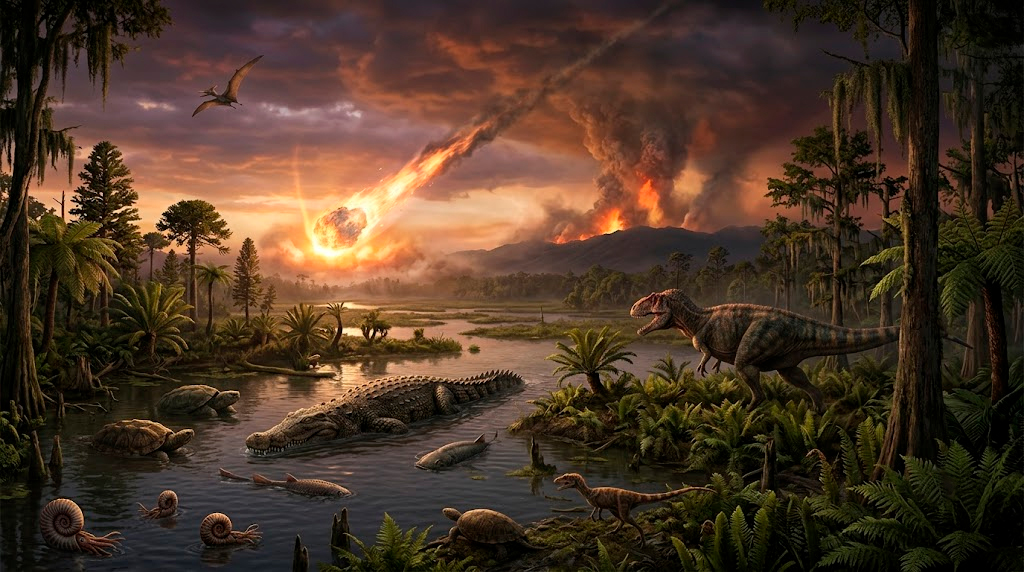
Without further fossil evidence, our comprehension of this critical evolutionary era remains frustratingly incomplete. While these gigantic ichthyosaurs reigned supreme for millions of years, their lineage abruptly vanished during the devastating mass extinction event at the Triassic-Jurassic boundary, roughly 200 million years ago.
Since that catastrophic era, Earth’s oceans have never again produced a marine reptile of such staggering proportions. The research team continues to scour the British coastline, proving that the collaborative efforts between professional experts and passionate citizen scientists like Ruby can still reveal our planet’s best-kept secrets. It is awe-inspiring to realize that the ocean’s greatest prehistoric predator simply vanished from existence, leaving behind only fragmented jawbones hidden in the coastal mud.
Have you ever stumbled across something unusual on a walk that felt like it could be a hidden scientific treasure?