
From Wound Treatment to Hair Loss Breakthrough
An everyday bodily sugar has unexpectedly emerged as a beacon of hope for receding hairlines. This fascinating discovery occurred completely by chance during laboratory wound-healing tests on mice. Scientists noticed that a straightforward sugar compound prompted rapid fur regrowth, delivering initial results that rival well-known hair loss treatments like minoxidil, commonly sold over the counter.
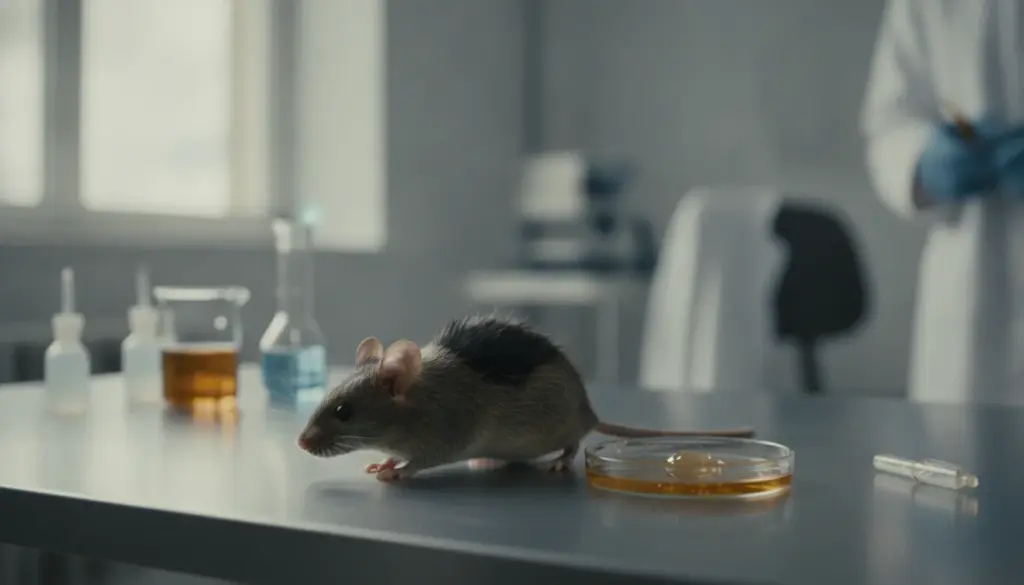
Initially, scientific focus wasn’t on curing baldness at all, but rather on improving how skin repairs itself. Experts were evaluating deoxyribose, a fundamental sugar that naturally forms part of our DNA, by applying it as a specialized topical gel to minor skin injuries. While monitoring the healing speed of these abrasions, the team noticed something truly remarkable.
The fur surrounding the treated zones was growing back significantly faster than on the untouched areas of the skin. A formula originally designed to mend tissue was inadvertently triggering rapid follicle regeneration. This unexpected twist prompted a brand new scientific question: could this highly active sugar be intentionally utilized to combat hair loss?
Testing on Male Pattern Baldness Models
To properly investigate this potential, experts turned to a standard laboratory model for male pattern baldness. They utilized male mice experiencing testosterone-induced hair thinning, carefully shaving their backs before applying daily treatments directly to the skin.
The experiment was divided into several distinct observation groups:
- A control group receiving zero treatment to monitor natural regrowth.
- A baseline group given a neutral gel completely lacking active ingredients.
- A test group treated exclusively with the deoxyribose sugar gel.
- A comparison group receiving minoxidil, the standard hair restoration liquid.
- A final group treated with a combined mixture of both the sugar gel and minoxidil.
Remarkable Results Emerge After 20 Days
By the twentieth day of the trial, the visual differences between the test subjects were striking.
- Rapid, dense regrowth: The mice treated with the experimental sugar gel sprouted a thick, highly visible coat consisting of long, robust hairs across their backs.
- Rivaling standard treatments: The deoxyribose application performed equally as well as minoxidil, matching the effectiveness of one of the world’s most heavily relied upon baldness remedies.
- No combination benefits: Interestingly, mixing the sugar compound with minoxidil did not significantly enhance the overall results compared to using either product entirely on its own.
Even in these preliminary stages, this completely novel sugar-based application stands shoulder-to-shoulder with established therapies.
How the Sugar Compound Transforms the Skin
While the precise mechanisms behind this impressive follicle stimulation are still being unraveled, experts noted several dramatic transformations within the treated dermal layers. The most crucial shifts occurred directly beneath the surface.
- A dense, complex network of brand-new blood vessels rapidly developed.
- The overall density and count of active skin cells increased substantially.
- The immediate environment surrounding the hair follicles became significantly more dynamic and heavily vascularized.
Biomaterial experts suggest that this enhanced blood circulation plays the ultimate foundational role in the regrowth process. Because the hair root heavily relies on a steady, uninterrupted supply of oxygen and essential nutrients, improving vascular health directly increases the likelihood of sprouting thicker, healthier strands.
Essentially, the deoxyribose formulation shifts the scalp into a high-gear working state. By promoting more vascularity and cellular action, it creates an ideal environment to awaken dormant hair follicles that have been suppressed by aging or hormonal shifts.
Why the Scientific Community is Paying Attention
Hereditary hair thinning, clinically known as androgenetic alopecia, impacts an estimated four out of ten individuals globally. For men, this typically manifests as receding hairlines and balding crowns, while women generally experience a diffuse thinning across the top of the scalp.
Current market options come with quite a few frustrating limitations. Countless users eventually abandon their daily regimens due to unpleasant side effects, or simply because the formulas fail to deliver noticeable cosmetic results. This widespread dissatisfaction is exactly why dermatologists eagerly monitor fresh approaches, particularly when they involve familiar, naturally occurring biological substances rather than harsh synthetic chemicals.
Potential Beyond Standard Baldness
The implications of this naturally occurring sugar gel might stretch far beyond everyday genetic hair thinning. Because the compound so powerfully revitalizes overall skin activity, experts envision a future where it addresses far more complex clinical conditions.
There is mounting optimism that this discovery could eventually support individuals experiencing hair loss following severe medical treatments, such as chemotherapy. Furthermore, its ability to stimulate sluggish dermal environments might offer a valuable lifeline for those battling alopecia areata, a challenging condition where the body’s own immune system mistakenly attacks healthy hair roots.