A Rising Star on a Massive Global Stage
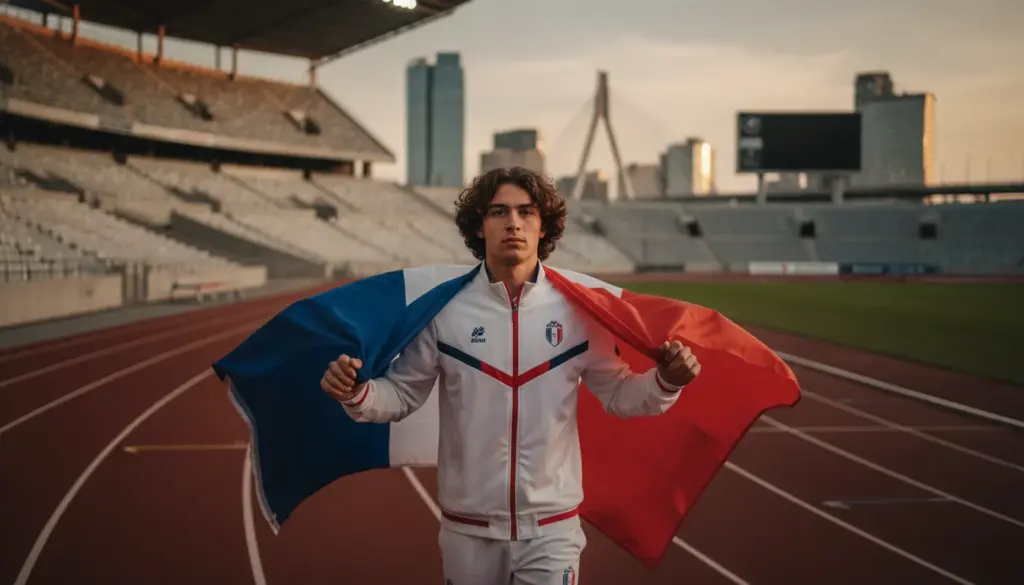
A relatively unknown competitor has suddenly found himself at the center of global attention, chosen to represent his nation during the closing ceremony. Instead of selecting a globally recognized stadium superstar, the French delegation opted for a promising young talent with a compelling narrative. By carrying the national colors during this final highly-watched event, Mathis Desloges powerfully embodies a rising generation of French athletes.
Mathis Desloges might not be a household name dominating international sports headlines every single day. However, that very lack of global notoriety makes his appointment incredibly intriguing. While major sporting events typically spotlight veteran champions, France made a deliberate choice to elevate an individual who primarily enjoys domestic recognition.
This strategic selection reveals volumes about the forward-looking vision of the French sports administration. As industry experts often observe, modern athletics isn’t solely about shattering records and securing medals. It equally hinges on an athlete’s demeanor, personal charisma, and how elegantly they represent their homeland far beyond the competitive arena.
The True Weight of Carrying the National Colors
Stepping out as a flag bearer demands far more than simply holding a piece of fabric for a few minutes. It stands as a deeply symbolic duty rooted in decades of athletic tradition. Nations strategically utilize this highly visible moment to broadcast their core values to a global audience.
This prestigious role traditionally signifies several key elements:
- Honoring athletic dedication and exceptional personal character.
- Highlighting exemplary behavior both in the heat of competition and in daily life.
- Projecting national pride to millions of viewers tuning in worldwide.
- Uniting multiple generations of competitors through one powerful, unifying gesture.
While the opening ceremony typically focuses the spotlight heavily on established superstars, the closing festivities offer delegations a unique opportunity. It allows them to highlight the unsung heroes—those pivotal team members who perhaps didn’t dominate newspaper front pages, yet left an indelible mark on team morale.
Why France Deliberately Selected Desloges
Despite lacking worldwide fame, Mathis Desloges flawlessly aligns with this ceremonial vision. Domestic media outlets consistently portray him as a remarkably disciplined, grounded competitor who places an immense premium on team cohesion. His coaches frequently highlight his relentless work ethic, noting how he serves as a stabilizing, foundational presence within the squad.
Appointing a younger competitor demonstrates that French sports federations are eager to look beyond past glories. They want the viewing public to connect with the precise generation preparing to take the reins in the coming years. Consequently, handing him the banner during the closing festivities sends a crystal-clear message: the future has officially arrived.
By placing Desloges in front of thousands of cameras, France is intentionally presenting a fresh, youthful face as the ultimate calling card for upcoming athletic seasons.
An Honor Carrying Immense Internal Respect
Behind the scenes of many sporting delegations, the selection of a flag bearer usually follows intense deliberation or a formal internal ballot. It isn’t merely the sports federations pulling the strings; teammates frequently have a substantial voice in the decision. While the actual stadium walk is brief, the emotional resonance within the locker room is profound.
For the chosen competitor, receiving this invitation often generates the same overwhelming thrill as qualifying for a major final. The selected individual is no longer just competing for a specific discipline; they are suddenly walking on behalf of an entire nation. This monumental responsibility triggers a unique rush of adrenaline that standard competitive matches simply cannot replicate.
The Deep Symbolism of the Closing Ceremony
Opening ceremonies are fundamentally built around anticipation, whereas closing events beautifully balance reflection with forward momentum. The individual holding the banner perfectly captures this duality. Just as the ceremonial flame extinguishes and the crowded grandstands begin to empty, a brand-new athletic chapter silently commences on the field.
This transition is particularly poignant for France right now. The nation is currently injecting massive investments into elite sports, grassroots talent development, and elevating the profiles of emerging competitors. Showcasing a talent like Mathis Desloges seamlessly fits this broader strategic blueprint. It proves that the spotlight isn’t reserved exclusively for gold medalists, but also shines on the quiet engines driving tomorrow’s teams.
How the Role Transforms an Athlete’s Trajectory
While carrying a pole doesn’t magically enhance a competitor’s physical abilities, it can undoubtedly act as a powerful catalyst for their professional trajectory. Major sponsors pay close attention to the individuals that national committees choose to highlight. Federations also closely monitor how these athletes handle the intense glare of the spotlight.
Veterans who have previously shouldered this responsibility frequently mention how it solidified their leadership status within the team. They typically experienced an uptick in media interview requests, gained a stronger voice in player councils, and noticed junior members increasingly seeking their mentorship.
For a rising star like Desloges, this level of exposure unlocks numerous doors. The benefits extend far beyond lucrative commercial partnerships; they ripple through the sport itself. This can translate to superior training opportunities, coveted invitations to elite international meets, or becoming the central figure in national campaigns designed to inspire youth participation in athletics.
A Relatable Role Model for Younger Generations
From a psychological perspective, younger fans often forge stronger connections with a fresh, relatable face than with an untouchable, billionaire superstar. An athlete like Desloges feels accessible. He represents the classic underdog archetype—someone still actively building their legacy, absent from towering city billboards, yet grinding away in the local training facility every single morning.
French sports authorities brilliantly leverage these global broadcasts to teach younger demographics a vital lesson. They demonstrate that profound honor and public recognition aren’t exclusively reserved for a tiny handful of elite icons. Unwavering dedication, profound respect for rivals, and fierce loyalty to the collective team are metrics that matter just as much.
The Hidden Selection Process Behind the Scenes
The specific methodology for assigning this prestigious role varies wildly across different territories. Sometimes a specialized national committee makes the executive call, while other times, the competitors themselves cast votes. Within a major sporting powerhouse like France, the final verdict usually stems from a nuanced combination of several critical factors:
- Recent competitive performance during the current tournament or the preceding season.
- Internal reputation and the genuine respect commanded among peers.
- Media savviness and the ability to gracefully interact with the public.
- A compelling personal narrative that flawlessly aligns with the country’s desired international image.
The fact that Mathis Desloges emerged victorious from such a rigorous evaluation speaks volumes about his internal standing. Even if the general public cannot readily recite his personal bests, his undeniable contributions clearly carry massive weight among his sporting peers.
Why These Symbolic Sporting Choices Truly Matter
Athletics will always fundamentally revolve around winning, but the industry is equally sustained by compelling human narratives. The person chosen to carry the national colors instantly transforms into a protagonist within that broader story. Passionate fans naturally anchor their fondest memories to specific faces. Decades later, the closing images of a major tournament—especially the proud flag bearer—tend to linger longest in the collective memory.
For France, positioning Desloges at the forefront serves as a brilliantly calculated maneuver. A country heavily focused on athletic rejuvenation, team inclusivity, and nurturing raw talent proves its commitment by spotlighting someone who lives and breathes those exact themes. This strategy resonates powerfully with both casual viewers and the next generation of competitors.
For viewers who might not obsess over traditional sporting customs, watching these ceremonies through a different lens can be highly rewarding. Paying close attention to how teammates interact, who deliberately walks closest to the standard-bearer, and the raw emotions etched on their faces reveals so much. Tucked behind those fleeting television minutes lies an entire grueling season of untold stories, endless training sessions, crushing setbacks, and quiet, triumphant victories.
Community leaders and coaches working with youth sports clubs can effortlessly use Mathis Desloges as an inspiring conversation starter. It naturally prompts an important question: what truly makes an exceptional team representative? Sometimes, the most magnificent stage shouldn’t go to the flashiest top scorer, but rather to the unwavering, silent force holding the team together. That underlying philosophy is exactly what makes France’s choice of this specific flag bearer so remarkably profound.