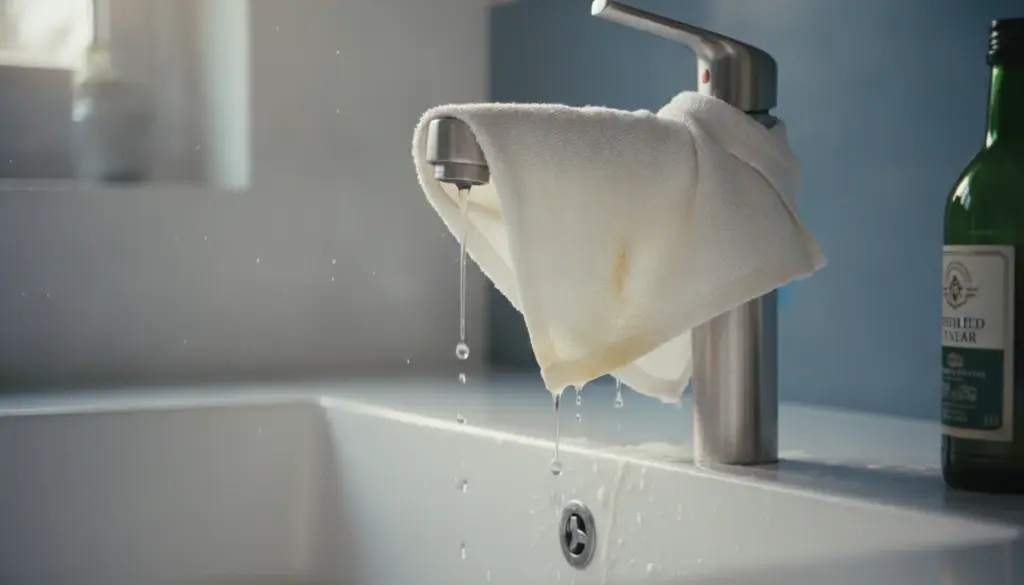
Over time, your kitchen and bathroom drains inevitably become a trap for lingering grease, leftover soap scum, and stubborn, unpleasant smells. While these issues can seem frustrating to eliminate, there is an effortless household technique that tackles the problem head-on without relying on aggressive, toxic chemicals. The secret lies in simply pouring heated white vinegar directly down your sink.
This straightforward, highly effective approach maintains clear, fresh-smelling plumbing lines while protecting both your pipes and the environment. Based on standard plumbing maintenance practices, the natural acidic properties of vinegar are incredibly efficient at breaking down oily residue and neutralizing foul odors without causing structural wear.
Why pour heated white vinegar down your drains?
- Eliminates foul odors: It instantly tackles the stench generated by decaying food particles and trapped debris, which is an especially frequent nuisance in kitchen sinks.
- Cuts through grease: Elevating the temperature allows the liquid to easily melt away hardened fats clinging to the inner walls of your plumbing. Cold vinegar simply cannot achieve this rapid level of degreasing.
- Reduces mineral buildup: For homes dealing with hard water, this acidic liquid acts early to loosen minor limescale patches long before they can develop into stubborn, permanent blockages.
Step-by-step guide to cleaning plumbing with warm vinegar
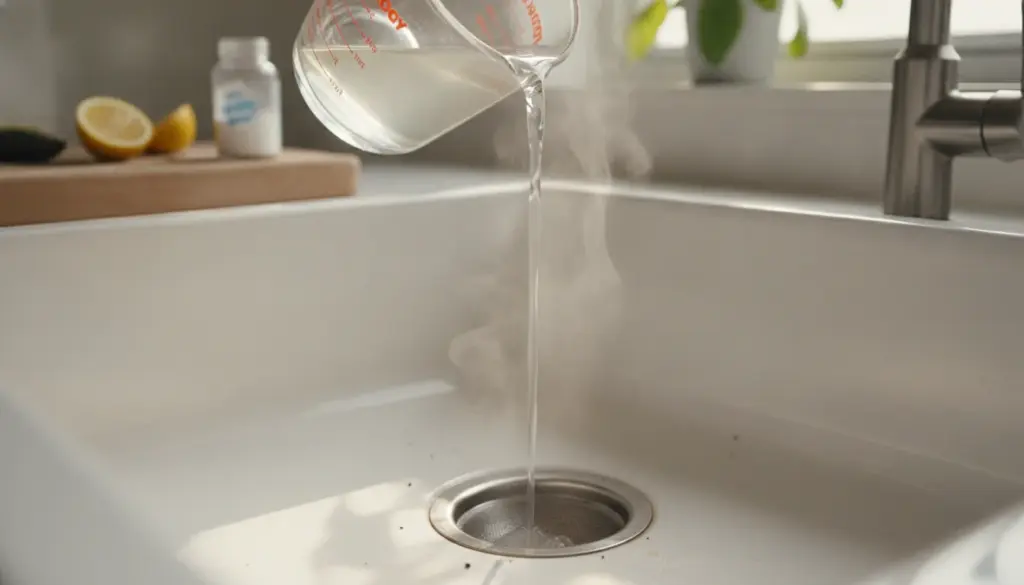
Start by warming up a single cup of white vinegar until it is very hot to the touch, making sure it does not reach a rolling boil. Carefully and steadily pour the heated liquid down your problem drain. Allow the solution to sit undisturbed for about 20 to 30 minutes so it can deeply penetrate the grime. Finally, run a generous amount of hot tap water to completely flush away all the loosened debris.
For drains emitting exceptionally strong smells or harboring heavy, thick buildup, you can easily supercharge this process using a common pantry staple. Begin by dropping two tablespoons of baking soda into the plughole, followed immediately by your cup of hot vinegar. Let the resulting fizzing action work its magic for roughly 20 minutes before doing a final hot water rinse. This natural chemical reaction expertly lifts stubborn sludge and leaves the sink smelling remarkably fresh.
Essential safety tips and precautions
While this natural maintenance routine is exceptionally safe, you must never combine vinegar with bleach or commercial chemical cleaners, as this will trigger hazardous toxic fumes. Additionally, if your home features significantly older pipes or fragile plastic plumbing components, avoid using actively boiling liquids. Sticking to very hot, safely heated water will prevent accidental warping or structural damage.
Keep in mind that this eco-friendly trick serves as a preventative measure, not a substitute for a professional plumber if a pipe is entirely clogged and water completely refuses to drain. For optimal plumbing health, applying this technique once every 15 days provides fantastic ongoing maintenance. However, if your kitchen sees frequent heavy cooking and frying, treating the sink once a week will keep your water flowing perfectly smooth.