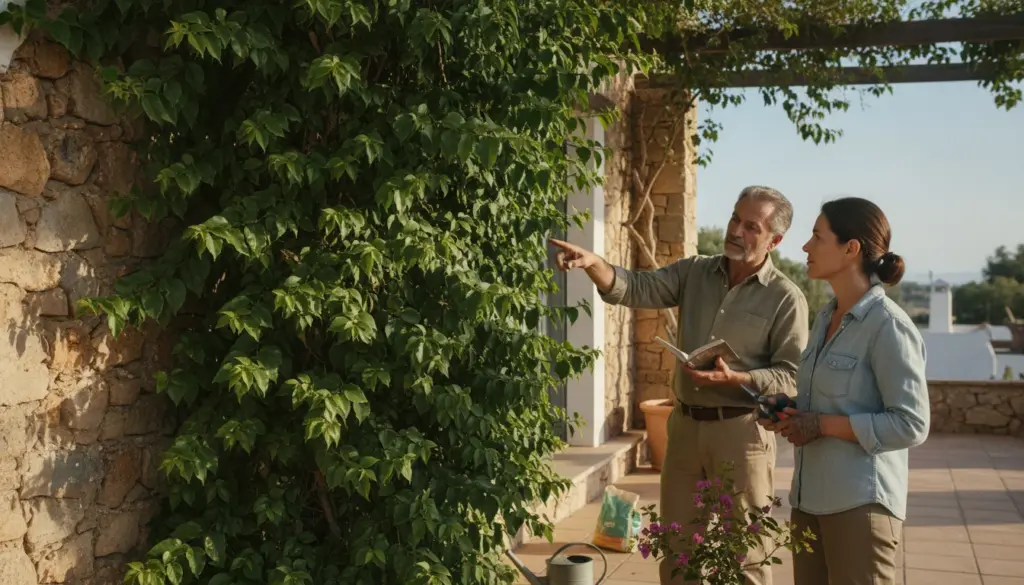
The Mystery of the Magnificent, Flowerless Vine
When a bougainvillea looks incredibly healthy but refuses to bloom, nothing is usually fundamentally wrong with the plant itself. Often, the culprit is a subtle care mistake that catches many passionate gardeners off guard. By making just a few targeted adjustments to your routine, you can typically coax an apparently stubborn vine into full color within a single growing season.
A flourishing specimen without blossoms can be deceivingly gorgeous. You might see robust vines, glossy green foliage, and absolutely no signs of disease. Yet, it completely lacks the exact feature it is famous for: those brilliantly colored bracts surrounding tiny, inconspicuous center flowers.
Establishing the Crucial Foundation
Environmental conditions dictate almost everything for this exceptional sun-worshipper. To build up enough internal energy for a spectacular floral display, the plant requires a minimum of six hours of direct, full sunlight every single day.
- Ideal growing temperatures: Between 20 and 30 °C for optimal development.
- Cold tolerance: Below 5 °C, it is highly recommended to bring the plant indoors.
- Frost damage: Most varieties will sustain visible edge damage as temperatures approach freezing.
- The perfect location: Positioned against a south-facing or southwest-facing wall, protected from harsh winds.
Soil composition plays an equally massive role in its development. Because this species originates from relatively arid regions characterized by brief, torrential downpours rather than constant dampness, its root system demands heavy oxygenation. The roots need to breathe, rather than sit in a moisture-retaining sponge.
When potted in dense, waterlogged soil, the top half of the vine might look deceptively vibrant while entirely missing the biological trigger needed to produce blooms. It thrives best in a highly aerated, fast-draining mixture inside a container featuring generous drainage holes. Leaving a saucer full of stagnant water underneath is highly counterproductive, as suffocated roots force the plant into a survival state rather than a reproductive one.
The Accidental Green Cloud: Too Much Water and Fertilizer
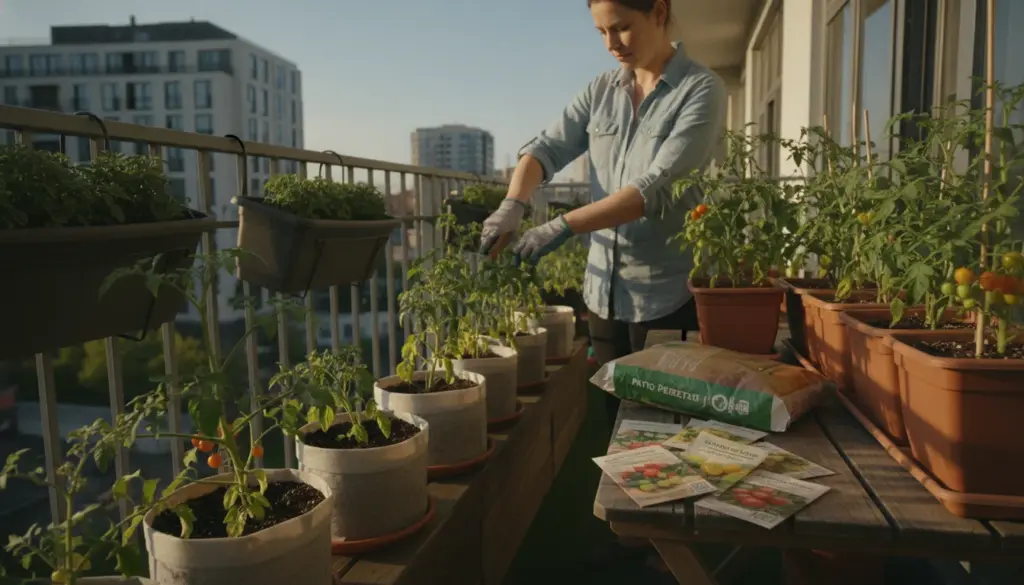
A highly common scenario involves a massive container sitting on a sun-drenched patio. Well-meaning owners water the soil every other day and enthusiastically apply a dose of all-purpose fertilizer weekly. During a blistering heatwave, this seems perfectly logical.
Unfortunately, the final result is endless elongated shoots, dense lush foliage, and absolutely zero color. You are left staring at an impressive green bush when you originally planned for a vibrant floral explosion.
This entirely comes down to the delicate balance of hydration and nutrition. When showered with abundant moisture and high-nitrogen fertilizers, the plant funnels all its energy into aggressive vertical and leafy expansion. Its biological focus shifts entirely to vegetative growth, completely bypassing the need to reproduce through flowering.
The Expert Technique: Utilizing Controlled Thirst
When supplied with limitless water and nitrogen, a bougainvillea will always choose to grow leaves. However, introducing a slight sense of scarcity in the root zone flips a biological switch, immediately shifting its focus toward blossoming.
By allowing the root ball to dry out marginally between watering sessions, the plant registers a very mild stress response. For many botanical species, including this one, that specific environmental cue signals that it is time to invest energy into reproduction. The vibrant bracts begin to color up rapidly to attract necessary pollinators—which is precisely the display you want to see.
Step 1: Perfecting the Setup
Before experimenting with watering techniques, the baseline environment must be flawless. Without adequate sunlight and the right soil, no advanced horticultural tricks will succeed.
- Place the container in the absolute sunniest spot available, ideally absorbing radiant heat from a warm wall.
- Create a breathable soil mix by blending standard potting earth with coarse sand or fine gravel for rapid drainage.
- Verify that the pot has large escape holes and never let excess moisture pool in the saucer underneath.
When it comes to feeding, precision yields far better results than random abundance. During the active growing months, opt for a fertilizer possessing higher potassium levels rather than nitrogen, as potassium specifically supports bud formation. Halt all fertilization around mid-September to prevent the plant from unnecessarily pushing out new foliage before winter.
Step 2: Adjusting Your Hydration Rhythm
Throughout the summer months, actively allow the top layer of the potting soil to gently dry out. You should wait until roughly the top 3 to 4 centimeters feel completely dry to the touch before reaching for the watering can.
When that moment arrives, avoid giving it just a modest splash. Instead, provide a heavy, thorough drenching. Let the water cascade completely through the container, and always discard any remaining water in the saucer after thirty minutes. This replicates a natural desert downpour, preventing root rot while encouraging the root system to grow much deeper.
During the winter dormancy period, relocate the container to a bright but cool environment, such as an unheated conservatory or a chilly room with abundant natural light. Hydration must be drastically reduced during these cooler months, allowing the root ball to remain predominantly dry.
Reading the Soil Like a Professional
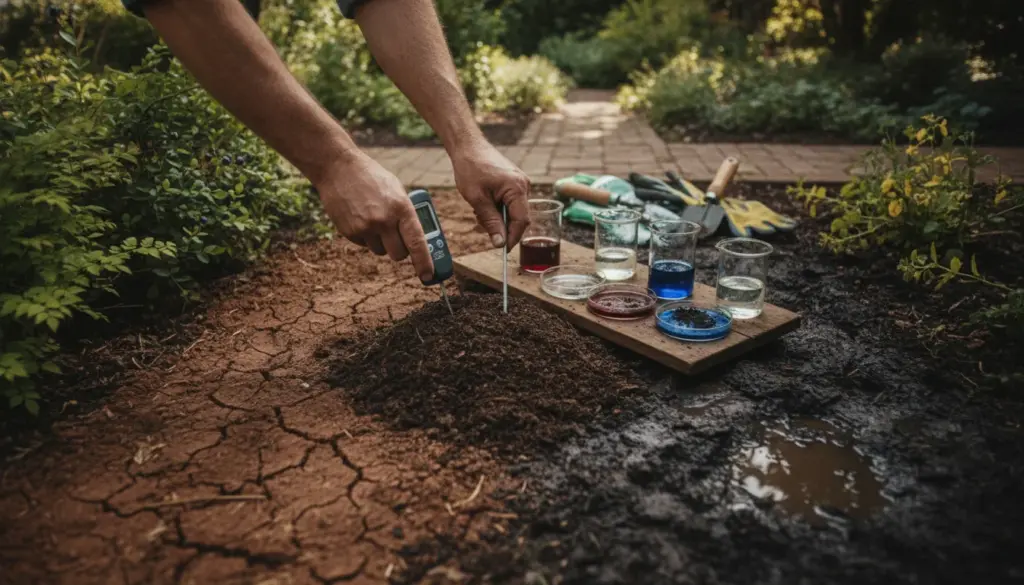
Relying solely on visual cues from the leaves often means catching the warning signs far too late. A much more reliable method is physically testing the soil directly.
- Push your index finger a few centimeters down into the potting mix.
- If the top section feels dry and no longer cool to the touch, it is time for a thorough soaking.
- If those top few centimeters retain obvious moisture, simply wait a bit longer.
If the potting mix gets slightly too dry, the foliage might droop briefly. Do not wait until the leaves actually turn brown or begin curling, as that crosses the line into actual tissue damage. The goal is a highly controlled, mild drought trigger, not total dehydration.
Common Pitfalls That Halt Blossom Production
Certain everyday gardening habits directly interfere with the biological blooming signals. A few recurring traps consistently keep these beautiful vines endlessly green and frustratingly quiet.
Automated drip systems and daily sprinklers keep the subterranean zone perpetually damp. While fantastic for a lush lawn, continuous moisture tells a bougainvillea that there is absolutely no rush to reproduce. Oversized pots create a similar delay. Placed in a massive container, the vine expends all its initial energy attempting to fill the vast underground space with roots. A slightly root-bound plant in a snug pot will almost always push out flowers much faster.
Timing Your Pruning and Overwintering Properly
Aggressive trimming at the wrong moment ruins potential displays. If you prune fanatically in the early spring just as the plant prepares for its floral phase, you are unknowingly chopping off the future blossoms.
- Only perform light, structural snipping immediately after the blooming cycle finishes.
- Save heavy, rejuvenating pruning for the very end of winter, right before the energetic spring growth spurt begins.
Overwintering in a heated, cozy living room frequently throws the internal biological clock completely out of balance. The combination of artificial warmth and low light leads to exhausted, leggy, and fragile new shoots. A distinctly cool, well-lit space provides the necessary rest period for a vigorous, healthy restart in the spring.
Finetuning for a Spectacular Sea of Color
Once you master this foundational rhythm, you can elevate the display even further. Many varieties respond incredibly well to a targeted stress trigger right before their expected blooming window. Delay watering just a little longer than usual, then follow it up with a generous soak.
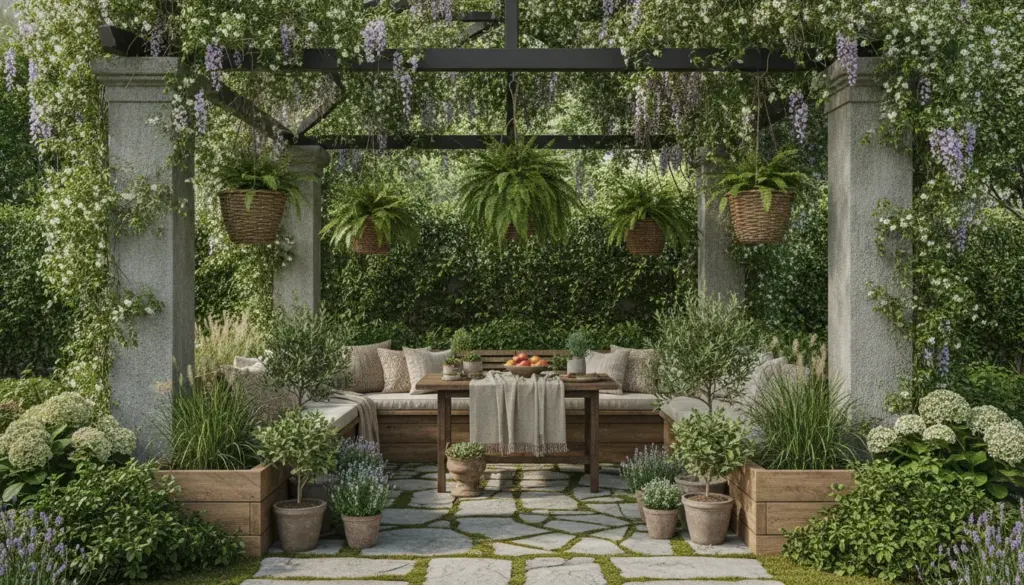
When paired with high potassium feeding and intense sunshine, this sequence dramatically increases the odds of an explosive, synchronized bloom. Finally, be incredibly mindful of companion planting. Tucking a bougainvillea into a shared planter alongside thirsty summer flowers forces you to water frequently, completely destroying the vital drought trigger. Giving the vine its own exclusive pot grants you total control, ultimately delivering immensely more vibrant color to your pergolas, facades, and balconies.