From Garden Debris to Premium Resource
Many gardeners toss dead snail shells into the green bin without a second thought. Yet, these tiny calcium deposits can provide an unexpected, powerful boost to your vegetable patch. By cleverly repurposing empty snail shells, you can enrich your soil, prevent common diseases in tomatoes and zucchinis, and cut down on commercial fertilizers.
While standard agricultural lime does the job, snail shells offer a highly concentrated, slow-release dose of calcium that plants absorb remarkably well. A shell consists primarily of calcium carbonate. Because of its naturally thin and porous structure, it breaks down in the soil much faster than thick seashells or standard limestone pellets.
This means the nutrients become available to plant roots swiftly while continuing to circulate in the earth for a long time. Calcium works triple duty in the garden: it encourages active soil life, builds a robust root system, and ensures firm leaves and fruits. You do not even need to scatter massive quantities to see noticeable results.
Why Calcium Matters and How to Spot a Deficiency
While many gardens already contain some naturally occurring lime, plants cannot always access it. Nutrient availability fluctuates based on soil pH, moisture levels, structure, and microbial activity. This is exactly where crushed snail shells provide that crucial extra support.
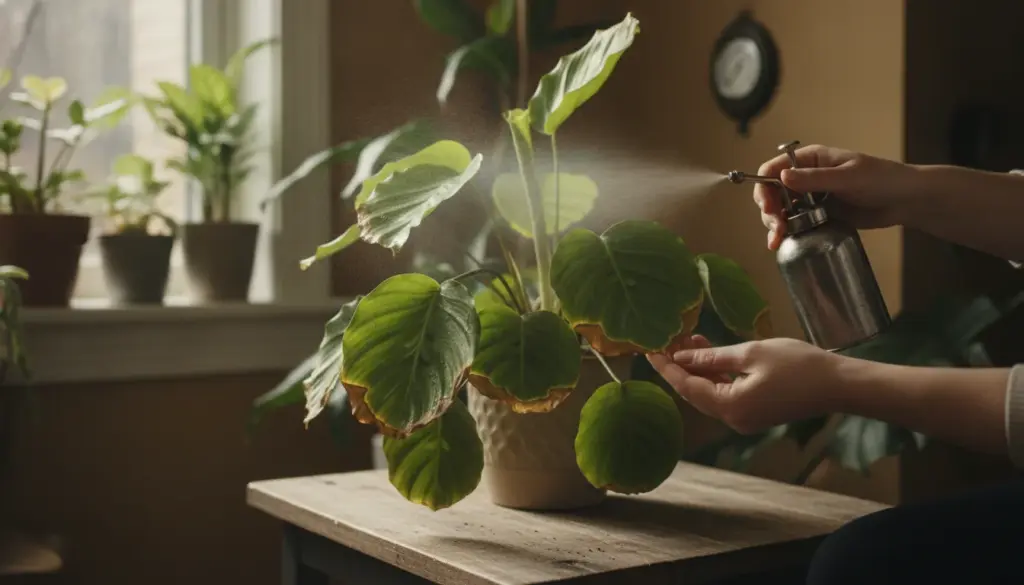
When vegetables and fruits lack sufficient calcium, they exhibit unmistakable symptoms. Watch out for brown, dying leaf tips or stunted growth despite adequate watering and feeding. You might also notice weak stems and fruits that split easily.
The most notorious sign is a brown, sunken, rotting spot at the bottom of your harvest—widely known as blossom end rot in tomatoes. These issues typically flare up during heatwaves or periods of irregular watering, which disrupts the sap flow carrying calcium through the plant. A soil environment rich in readily available calcium dramatically lowers this risk.
Turning Snail Shells Into a Free Soil Conditioner
If you know where to look and how to prepare them, you can harvest a substantial amount of natural lime pellets from your own yard in just one season.
Step 1: Foraging and Cleaning
The best time to hunt for empty shells is right after a heavy rain shower when they stand out clearly against the wet ground. Check untamed corners, under dense shrubs, along fences, and around vegetable beds that have seen heavy snail activity.
- Only gather dry, completely empty shells.
- Ensure no rotting remains are left inside.
- Give them a quick rinse under the tap to remove algae or dirt.
- Let them air dry on paper towels or inside an old cardboard box.
Step 2: Crushing Without Grinding
The secret lies in the particle size. You want to crush them roughly, not grind them into a fine powder. Powders act too quickly, potentially altering soil pH too drastically in concentrated spots, while completely whole shells take years to decompose.
Aim for fragments roughly 3 to 5 millimeters in size. You should be able to feel the pieces between your fingers without them being sharp shards. Achieve this easily by placing the shells under a dish towel and rolling over them with a rolling pin. Alternatively, gently smash them on a wooden board using a rubber mallet or the heavy base of a glass jar.
How to Safely Apply Your Homemade Lime
It is entirely possible to overdo it with calcium. Too much lime throws off the mineral balance and spikes the soil pH rapidly, which can actually stunt plant growth. As a general rule of thumb, aim for 150 grams per square meter.
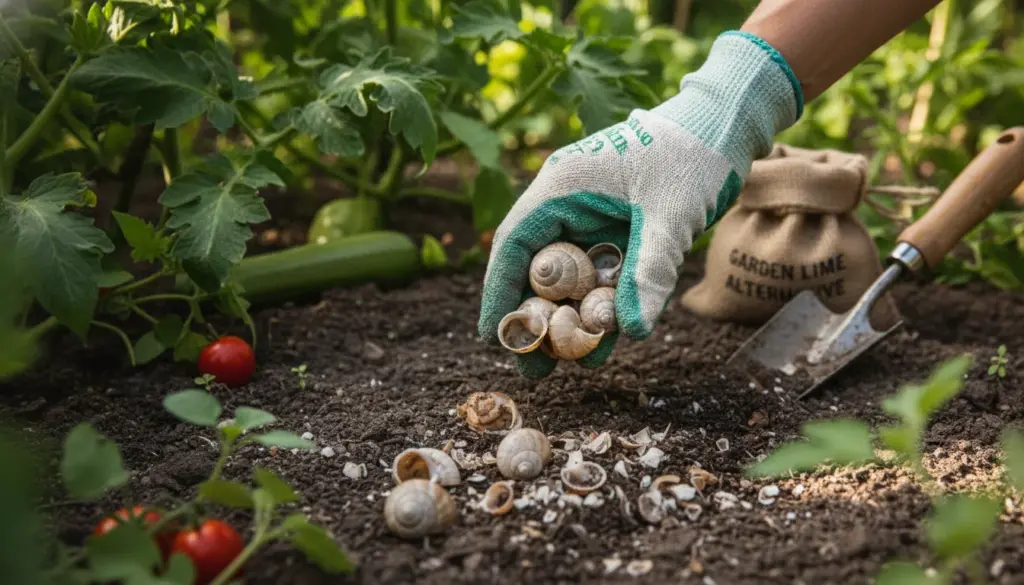
For calcium-hungry crops like tomatoes, zucchinis, eggplants, and bell peppers, scatter this roughly crushed shell mixture around the base of the plants in early spring. Use a hand fork or small hoe to lightly work the fragments into the topsoil so they do not wash away on the surface.
You do not need to apply the entire dose at once. Splitting the amount over two or three applications throughout the growing season aligns perfectly with the plants’ natural growth spurts and ensures a steady, reliable release of nutrients.
Beware: Not Every Plant Loves Extra Lime
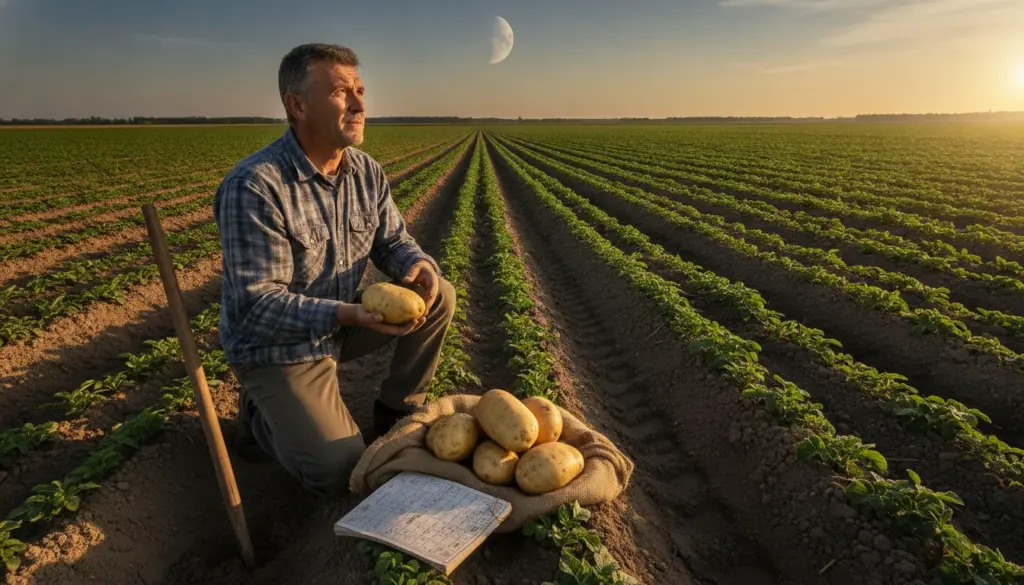
Certain crops and ornamentals thrive strictly in acidic soils, making snail shells a terrible addition to their beds. Avoid using this calcium boost around potatoes, blueberries, and other ericaceous shrubs like rhododendrons, azaleas, and cranberries.
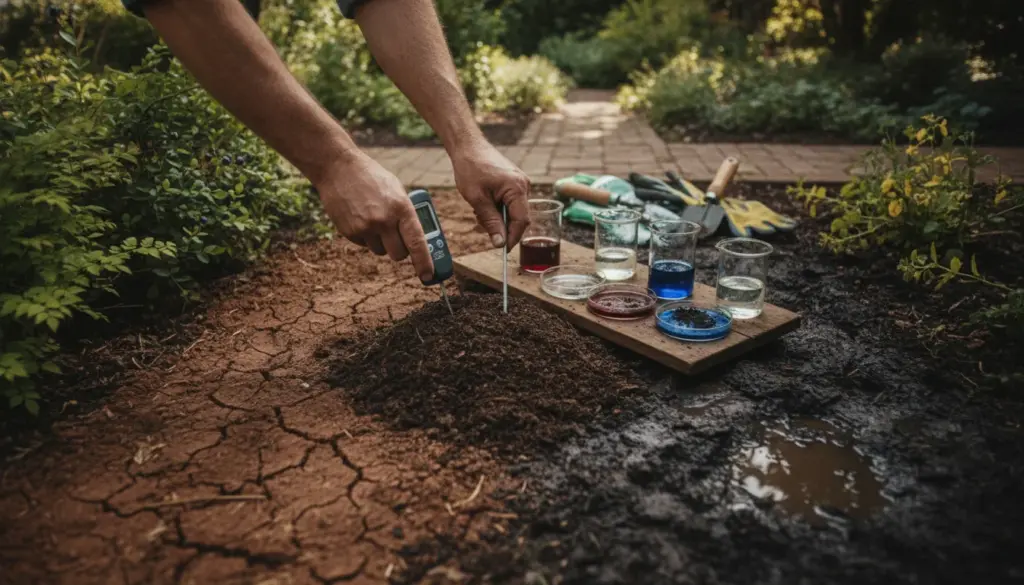
If your garden is heavily planted with these acid-loving varieties, it is highly recommended to perform a simple soil pH test before amending the earth with any calcium-rich materials.
Improving Soil Structure and Microbial Life
The beauty of snail shells goes beyond mere chemical composition; they physically transform the earth. As these small granules mix with sand and clay particles, they prevent heavy clay soils from clumping together.
Water drains away more efficiently while still remaining accessible during dry spells, and delicate new roots can navigate through the aerated soil much easier. A lighter, well-aerated soil also warms up much faster in spring, which wakes up earthworms and beneficial microorganisms earlier in the season. These tiny helpers then process more organic matter, unlocking even more nutrients for your garden.
Circular Gardening: Hidden Treasures Around the House
Smartly reusing snail shells helps you build a self-sustaining miniature ecosystem right in your backyard. Relying on your own natural resources drastically reduces the need for expensive bags of commercial fertilizers. Over time, your soil adapts to a more natural, steady rhythm of nourishment.
Snail shells are a fantastic starting point, but they fit into a broader strategy of using household waste:
- Eggshells: Packed with calcium. Dry them out, crush them up, and use them sparingly around calcium-loving plants.
- Coffee grounds: Perfect in moderation for acid-loving plants and a great addition to the compost bin, as they attract earthworms.
- Untreated wood ash: A potent source of both potassium and calcium. Apply this very lightly and never around acid-loving shrubs.
- Banana peels: An excellent potassium provider. Chop them into small pieces and bury them in the soil or toss them on the compost heap.
Expert Tips for Safe and Effective Use
As you experiment with these natural amendments, you will quickly discover which combinations work best for your specific local climate and soil type. Sandy ground processes nutrients differently than heavy river clay.
To get the absolute most out of your snail shell harvest without disrupting the delicate soil balance, always apply moderate amounts and opt for multiple small feedings. Combine your crushed shells with plenty of organic matter like rich compost or leaf mulch.
Keep a close eye on leaf color, overall growth, and fruit development throughout the season, adjusting your care as needed. If you are unsure, test a small, hidden patch before treating your entire vegetable garden. By adopting this mindful approach, you transform dead snails from a minor garden annoyance into a reliable, free source of structural improvement.