Many yards have this plant languishing in a forgotten corner, yet strategically planting it now promises a landscape bursting with vibrancy. While most gardeners are currently staring at muddy flowerbeds and bare branches, a specific native bush is quietly preparing for a spectacular transformation. As early spring arrives, it erupts into a buzzing canopy of cream-colored flowers, eventually yielding heavy clusters of deep purple berries. The common elderberry, botanically known as Sambucus nigra, proves to be truly extraordinary when positioned correctly and at the right time.
The Common Elderberry: An Overlooked Landscape Gem
Because it grows so abundantly in the wild, many people walk right past the common elderberry without a second glance. However, as experienced landscape designers will note, this indigenous bush offers incredible value for both cultivated gardens and local ecosystems. It thrives naturally along woodland edges, pastures, and waterways throughout much of Europe.
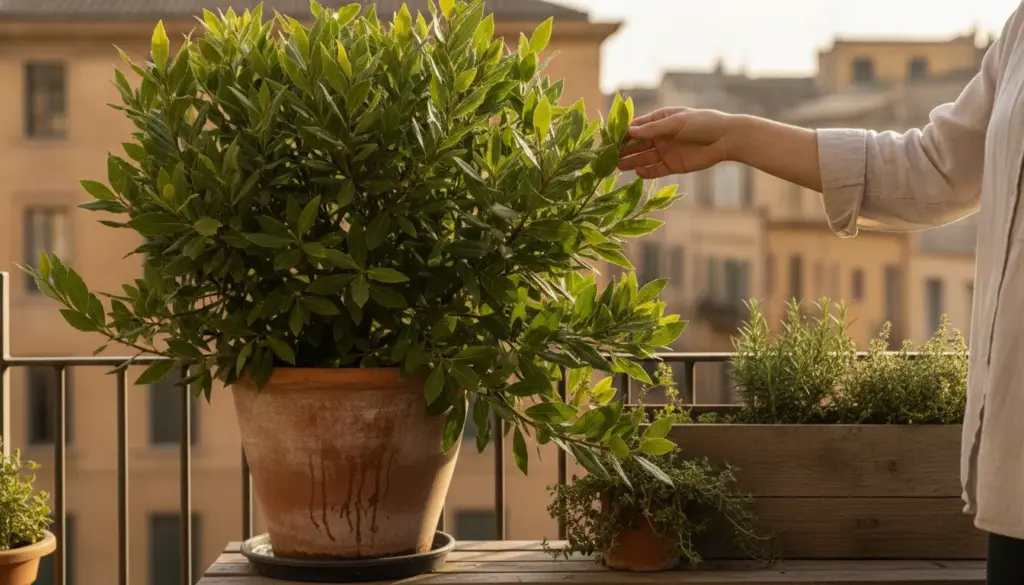
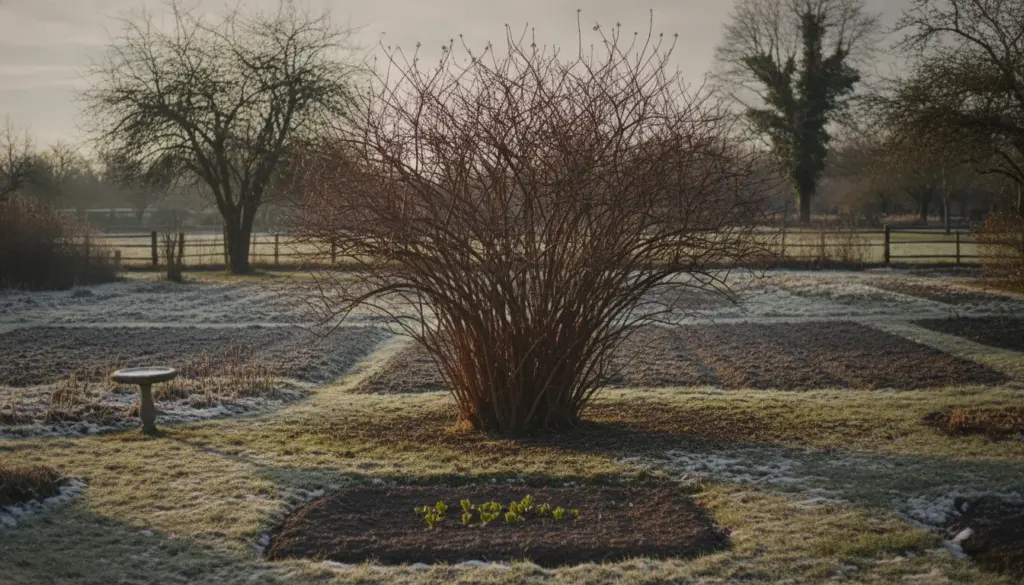
Mature specimens easily reach heights of three to six meters, spreading roughly two to four meters wide. This generous footprint makes the elderberry an ideal candidate for wild garden corners, a standalone feature plant, or a vibrant addition to a mixed hedge. During the colder months, its bare, transparent network of branches blends quietly into the background. But the moment temperatures begin to rise, the display changes dramatically.
In just one growing season, this unassuming backdrop plant morphs into a spectacular focal point, a vital food source, and a natural atmospheric booster. Late spring brings massive umbels of cream-colored blossoms carrying a distinctively sweet fragrance. These aromatic blooms act as a powerful magnet for beneficial pollinators like hoverflies, butterflies, and bees. As summer progresses, the flowers transition into glossy, nearly black berries hanging in grape-like clusters, providing an essential feast for backyard birds.
Giving Your Elderberry the Perfect Start
Successfully growing an elderberry isn’t about constant, grueling maintenance; it is heavily reliant on the timing and method of planting. By getting it in the ground now, you position yourself to reap the rewards this very season.
Timing and Ideal Location
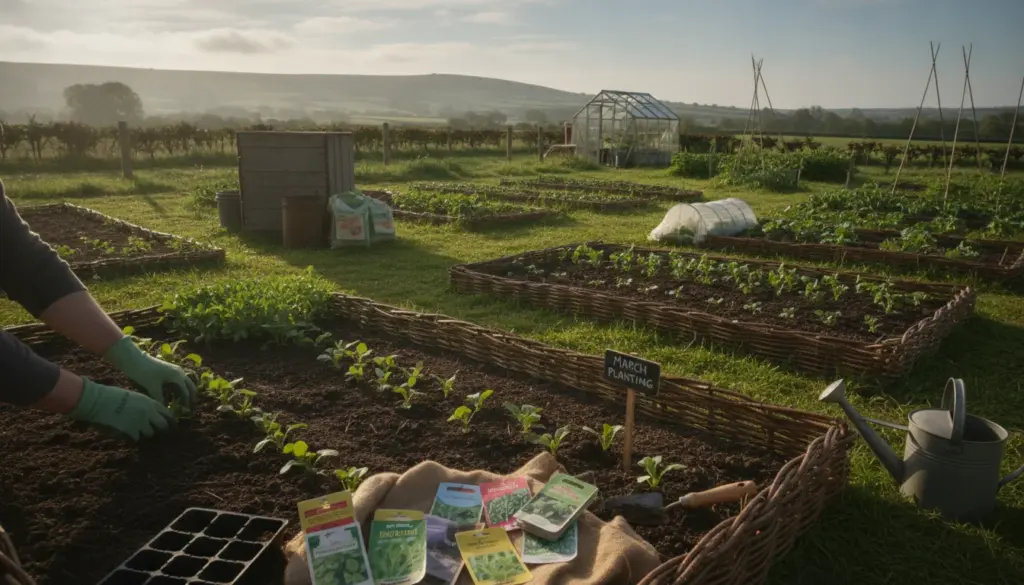
The absolute best window to establish a new bush spans from March through April, while the soil retains ample moisture before the harsh summer sun sets in. These resilient plants prefer soaking up full sun or relaxing in dappled shade. If you opt for varieties boasting yellow or dark red foliage, generous sunlight is particularly crucial for maintaining their striking leaf coloration.
- Sunlight requirements: Full sun to partial shade yields the strongest growth.
- Soil preferences: Thrives in nutrient-rich, moist dirt, provided it doesn’t remain chronically waterlogged.
- Cold tolerance: Exceptionally hardy, withstanding freezing winter temperatures down to approximately -20 °C.
- Placement ideas: Works beautifully as a property divider, a wildlife sanctuary corner, or a tall background screen.
While widely respected as a rugged survivor capable of handling urban pollution, heavy winds, and nutrient-poor earth, giving it a thoughtful start significantly boosts its initial vigor. Young elderberries planted in highly exposed, breezy areas might require supplemental watering during their first year, particularly through extended dry spells. Once firmly established, their extensive root systems make them highly self-sufficient.
Low-Maintenance Care with Maximum Impact
Once your elderberry settles into its new home, it demands surprisingly little horticultural intervention. Still, employing a few strategic pruning techniques ensures the plant remains vigorous and visually appealing year after year.
Pruning Without Losing Blooms
A critical detail to remember is that elderberries flower heavily on the previous year’s growth. Heavy-handed shearing in the spring will completely obliterate your upcoming floral display. Instead, adopt a much more conservative pruning approach to protect the flowering cycle.
- Early spring cleanup: Selectively remove only crossing branches and any obviously dead wood.
- Protect the buds: Leave plenty of vibrant young shoots intact, as these carry the upcoming spring blossoms.
- Periodic rejuvenation: Every few years, cut a handful of the oldest, thickest stems down to the base to encourage fresh, vigorous growth.
If the bush requires a massive structural reset, aggressive rejuvenation pruning is best performed in the dead of winter right as buds begin to swell. The robust root system typically responds to this hard cut by pushing out incredibly strong new canes.
Harvesting Edible Delights from Your Backyard
Beyond its ornamental appeal, this versatile shrub functions as a living, seasonal pantry. Harvesting the correct parts at the right time unlocks a beautiful array of unique culinary possibilities.
Creating Culinary Magic with Blossoms
For optimal flavor, harvest the large flower heads on a dry afternoon just as the tiny individual buds fully open. These highly aromatic clusters can be utilized in several creative, mouth-watering ways in the kitchen.
- Homemade syrup: Steep the fragrant blooms with sugar, water, and lemon, then gently heat to extract their sweet essence.
- Crispy fritters: Dip whole intact flower heads into a light batter and flash-fry them for a delicate, crunchy treat.
- Infused oils and vinegars: Submerge the flowers in liquid for several weeks to develop a beautifully subtle floral profile.
A splash of DIY elderflower syrup instantly elevates simple desserts, cocktails, or even a plain glass of tap water. Just remember to practice sustainable harvesting—always leave plenty of flowers on the bush so they can mature into berries for the local wildlife and your autumn harvest.
Handling the Berries Safely
As late summer shifts into early autumn, the clusters ripen into deep, dark purple orbs. It is absolutely vital to understand that consuming large quantities of these berries raw can cause severe stomach upset. To render them safe and delicious, they require proper cooking, making them perfect for crafting rich jellies, jams, or concentrated juices.
- Wait for full ripeness: Only pick berries that have turned completely dark and plump.
- Heat is essential: Always thoroughly cook the fruit and avoid eating handfuls straight off the branch.
- Meticulous cleaning: Carefully pick out all green, unripe berries and completely remove the mildly toxic green stems.
Because thrushes, blackbirds, and other feathered visitors rely heavily on this late-season buffet, purposely leaving a few untouched clusters is a wonderful way to support your local ecosystem.
Crucial Safety Advice: Avoiding Toxic Lookalikes
One potentially dangerous point of confusion exists in the foraging world. The common elderberry is occasionally mistaken for dwarf elder (Sambucus ebulus), a strictly herbaceous weed widely recognized as highly toxic.
You can easily tell the two apart by observing a few distinct botanical characteristics before you harvest:
- The Common Elderberry: Features solid woody branches, grows as a towering shrub, and easily reaches several meters in height.
- The Dwarf Elder: Produces soft, green, non-woody stems that die back entirely during the cold winter months.
- Flowering timeline: While the safe variety blooms in late spring, the toxic imposter typically flowers much later in the summer.
Whenever uncertainty strikes, strictly adhere to the golden rule of foraging: do not consume the harvest. Leave the dubious plant for nature to enjoy instead.
Perfect Planting Companions
This robust shrub looks incredibly at home in relaxed, naturalistic garden designs. It pairs flawlessly with other indigenous bushes like native hazel, dogwood, or classic hawthorn. When integrated into a wide mixed border, the elderberry’s relaxed growth habit provides a striking architectural contrast against rigidly sheared evergreens.
For the surrounding ground cover, focus on reliable perennials that appreciate dappled shade. Wild columbine, lungwort, and native ferns are excellent choices for underplanting. These companion plants form a living mulch that suppresses unwanted weeds while keeping the soil perfectly cool and damp for the elderberry’s shallow root system.
Establishing just one of these remarkable bushes offers an enormous return on your gardening investment. You invite a flurry of birds and beneficial insects into your yard, enjoy an ever-changing display of seasonal aromas and colors, and gain access to unique culinary ingredients. By getting those roots into the ground right now, your garden gains a spectacular new focal point just in time for the great spring awakening.