
Adapting to Your Aging Companion
Have you noticed your faithful furry companion slowing down lately, leaving you wondering if you are doing enough to keep them comfortable? While growing older is simply a fact of life, making mindful adjustments to your pet’s daily routine can easily add years of happiness to their lifespan and spare them unnecessary discomfort.
Recognizing the shifting requirements of an aging dog or cat is the absolute best way to guarantee a peaceful, active twilight period. As pets mature, they undergo various physical and emotional transformations that demand a more specialized approach.
Veterinary professionals continuously highlight that modifying your care strategy to match your senior pet’s life stage is essential for preserving their overall well-being. Truthfully, your daily practices directly influence how long your four-legged friend remains vibrant. Routine health assessments, tailored nutrition, and a modified living environment are heavily advocated by veterinarians to ward off illness and sustain youthful vigor.
10 Professional Tips for Managing Senior Pet Health
Looking after an aging companion requires a few specific tweaks that go beyond standard pet parenting. Honestly, even minor shifts in your household schedule can trigger a spectacular enhancement in your pet’s daily comfort.
- Increased veterinary check-ups. Scheduling consistent clinic visits helps identify joint, kidney, or heart conditions well before they become severe. Proactive early prevention is genuinely the most reliable method for avoiding serious health complications.
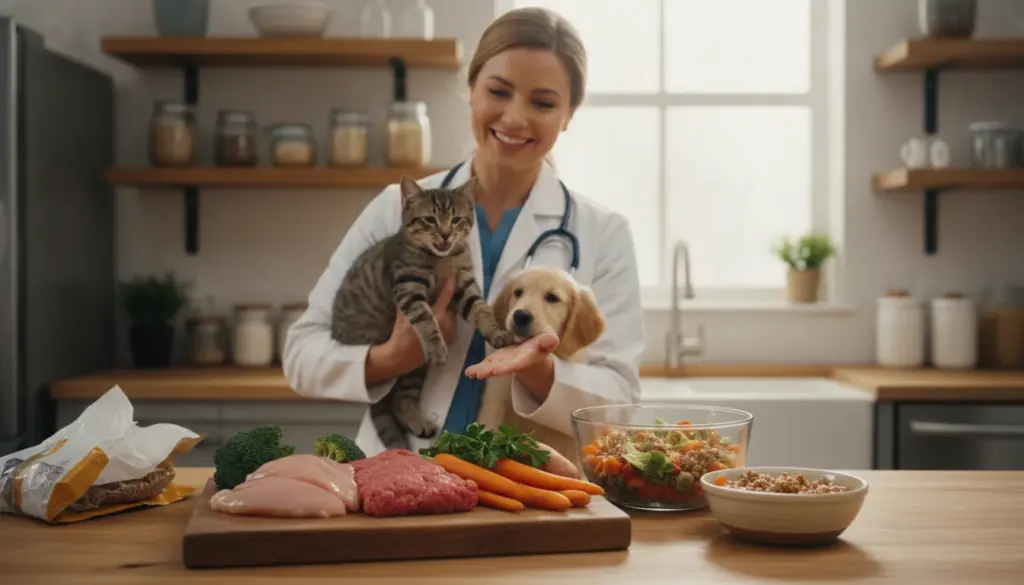
- Targeted, balanced nutrition. Senior-specific pet food is packed with essential nutrients designed to support an aging system. Keep in mind that strict weight management is vital, as carrying extra pounds severely aggravates joint deterioration.
- Gentle, modified physical activity. Low-impact playtime and brief, leisurely strolls work wonders for preserving muscle tone. Steering clear of exhausting exercises significantly lowers the risk of accidental injuries.
- Continuous hydration. Ensuring your aging pet has effortless access to fresh water guards against dangerous dehydration, which poses a severe threat to older animals. Always keep their water bowl in a highly visible, easy-to-reach location.
- Optimized home comfort. Providing a cozy, warm sleeping area alongside an orthopedic bed provides immense relief for aching joints. Furthermore, keeping their environment stable and avoiding sudden household changes helps drastically reduce stress levels.
- Consistent dental care. Maintaining healthy gums and teeth prevents harmful bacteria from spreading to the kidneys or heart. Incorporate veterinary-approved toothpastes and dental chews into their daily routine.
- Active cognitive engagement. Engaging your pet with basic training exercises and interactive puzzle toys keeps their brain firing on all cylinders. This remains the absolute finest technique for delaying cognitive decline in senior animals.
- Strict parasite prevention. Because mature pets naturally develop weaker immune defenses, they become highly susceptible to dangerous infections. Always strictly adhere to their designated deworming and vaccination schedules.
- Vigilant behavior monitoring. Sudden loss of appetite, unusual lethargy, or subtle signs of pain require prompt veterinary intervention. Act swiftly at the very first red flag before a minor issue spirals out of control.
- Abundant patience and affection. Your ongoing tenderness and focused attention directly elevate your pet’s emotional state. During their golden years, a strong bond with their owner is truly the most effective medicine.
Pro Tip: The Monthly Home Assessment
Make it a habit to perform a gentle physical examination of your pet once a month. Carefully run your hands over their entire body to feel for any newly formed bumps, lumps, or areas that seem tender to the touch. Spotting subcutaneous or skin abnormalities early in older animals massively boosts the likelihood of a positive treatment outcome.
Why Preventative Geriatric Screenings Matter
Animal healthcare experts strongly advise that comprehensive diagnostic panels—including blood pressure checks, urinalysis, and blood tests—should be conducted at least twice annually. These vital evaluations are incredibly effective at catching “silent” threats, like early-stage heart disease or kidney failure, long before the physical symptoms become irreversible or even noticeable.
Realizing that getting older is not an illness, but merely a life phase requiring extra vigilance, is the foundational step toward successful senior pet parenting. By implementing these compassionate care strategies, your cherished companion can fully experience a joyful, pain-free existence.
Be sure to save this guide for future reference!