Cultivating Life Skills in the Dirt
Have you ever struggled to pull your little ones away from their glowing screens? Finding a way to instill core life values that video games simply cannot offer is actually easier than you might think. The secret lies right beneath our feet, hidden within the soil.
Engaging in gardening together goes far beyond mere entertainment. It serves as an incredibly effective developmental method for nurturing profound patience, a strong sense of capability, and genuine tranquility in growing minds.
The Therapeutic Power of Planting
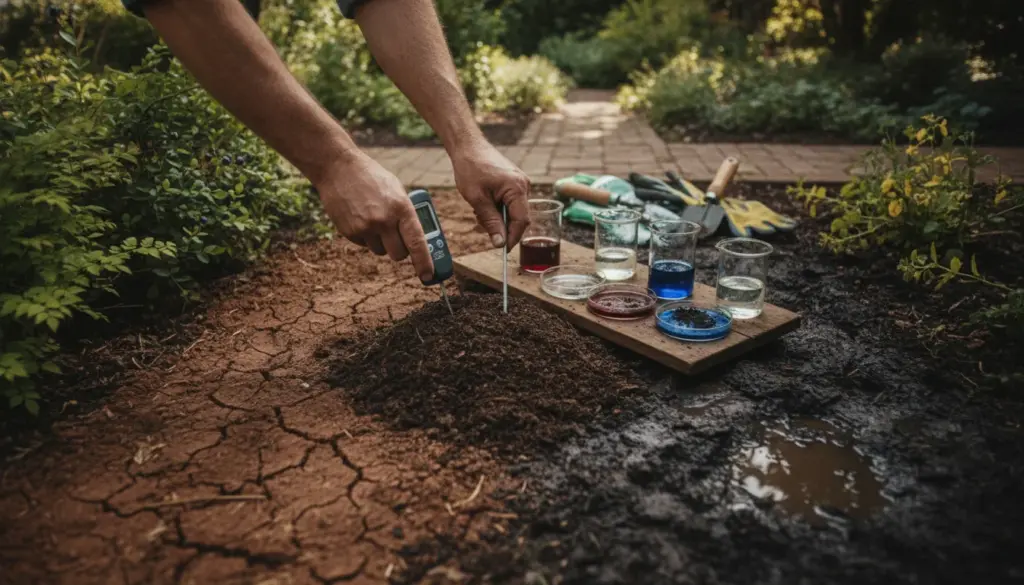
Digging in the dirt transcends basic playtime, acting as a grounding, therapeutic experience that allows youngsters to sync with natural, calming rhythms. Witnessing a tiny seed gradually transform into a living organism provides hands-on practice in emotional self-regulation, while significantly boosting their ability to handle frustration.
In our modern, fast-paced society where instant gratification is the norm, anticipating that very first harvest becomes an unmatched lesson in staying humble. Engaging the senses—feeling the damp earth, inhaling the aroma of fresh foliage, and listening to the trickle of watering—creates a rich sensory environment.
Based on core principles of developmental observation, these straightforward actions naturally lower anxiety and ease stress. Furthermore, spending time in fresh air naturally sharpens a child’s focus and sparks vibrant creativity during their everyday playtime.
Pro Tip for Better Focus
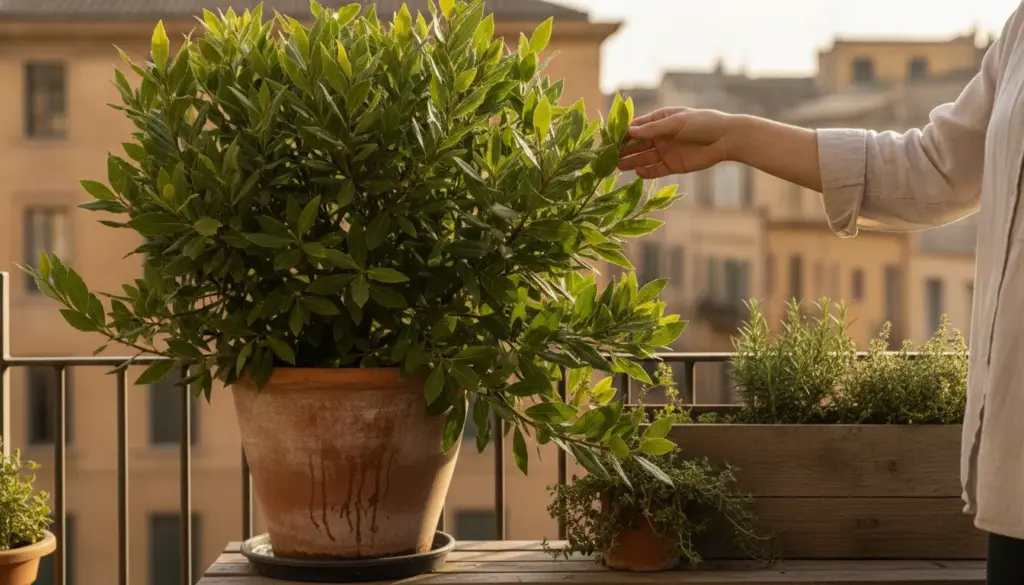
Expert advice: For youngsters who find it challenging to maintain attention, begin your botanical journey with highly aromatic varieties like lavender, basil, or mint. These intense olfactory triggers act as a powerful anchor for the brain, keeping it rooted in the present moment, which serves as a fantastic introduction to practicing mindfulness.
A Living Laboratory for Young Minds
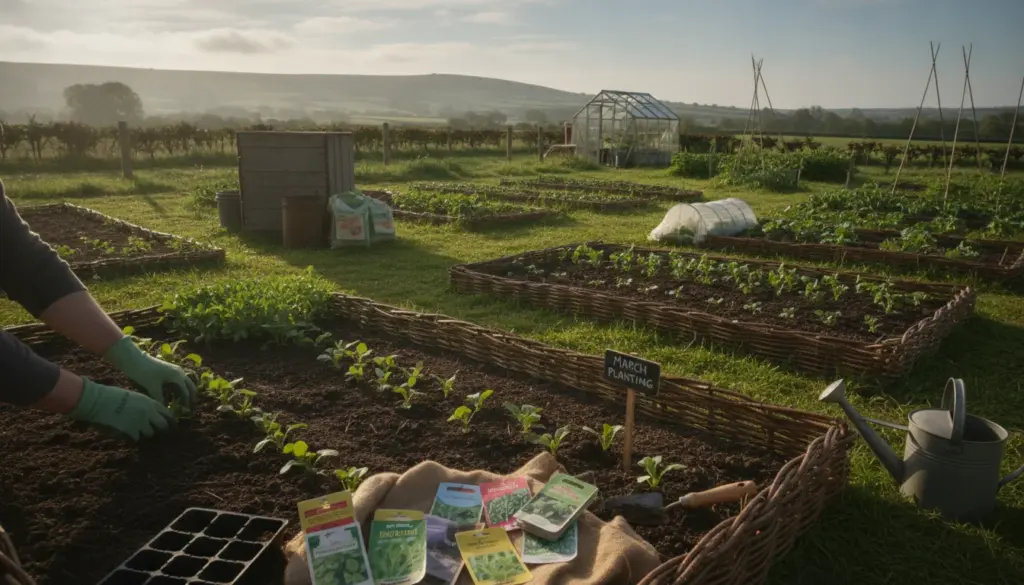
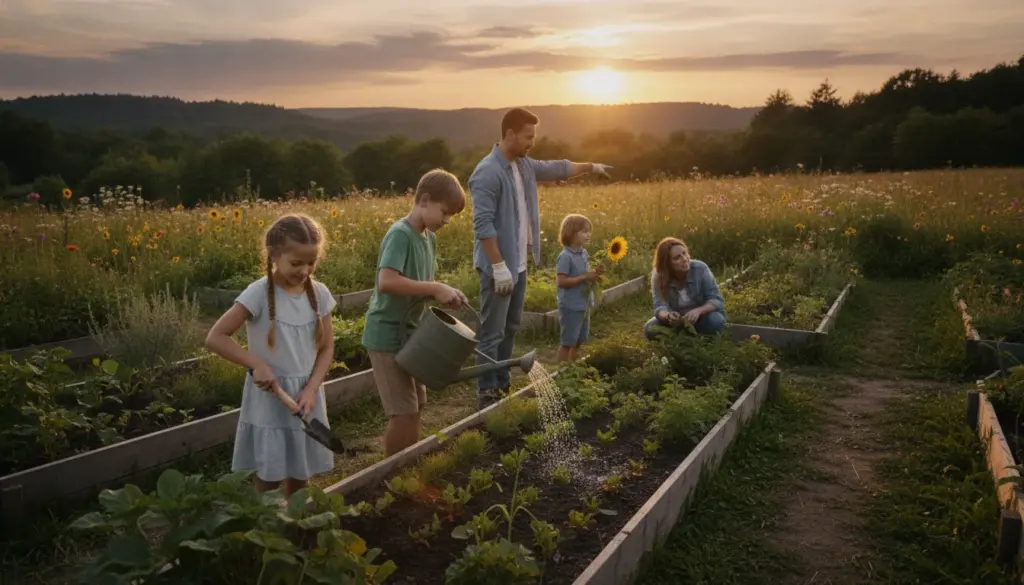
From an educational perspective, any garden bed doubles as a living laboratory where kids get to experience biology firsthand, witnessing concepts like pollination and photosynthesis in real time. It also sneaks in excellent mathematical practice!
Tracking seed depth and tallying fresh sprouts transforms abstract math into concrete, experiential learning. Once they realize that a seedling’s survival rests entirely in their hands, they develop an authentic, mature sense of responsibility for another living entity.
Cultivating a green space is also a fantastic confidence booster. The moment they spot their first home-grown lettuce leaf or a newly opened blossom, they are filled with immense pride and joy. On a social level, backyard projects naturally encourage teamwork, open communication, and an appreciation for collective effort.
Building Independence Through Practical Life
It is exactly why interacting with flora remains a cornerstone of the Montessori method, which emphasizes learning through practical life skills. Managing tasks like watering or gently pinching off dead leaves refines fine motor skills while fostering deep independence.
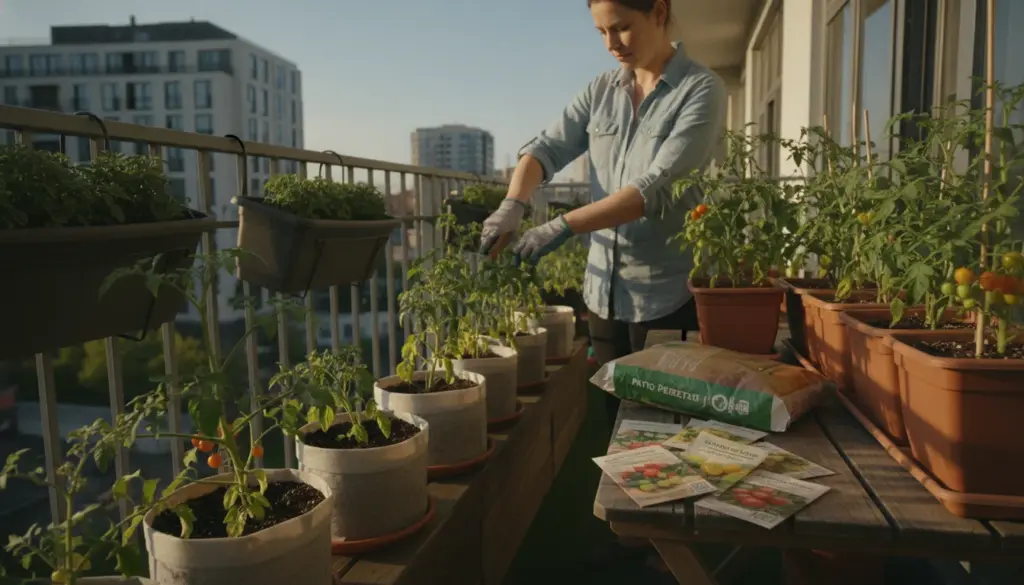
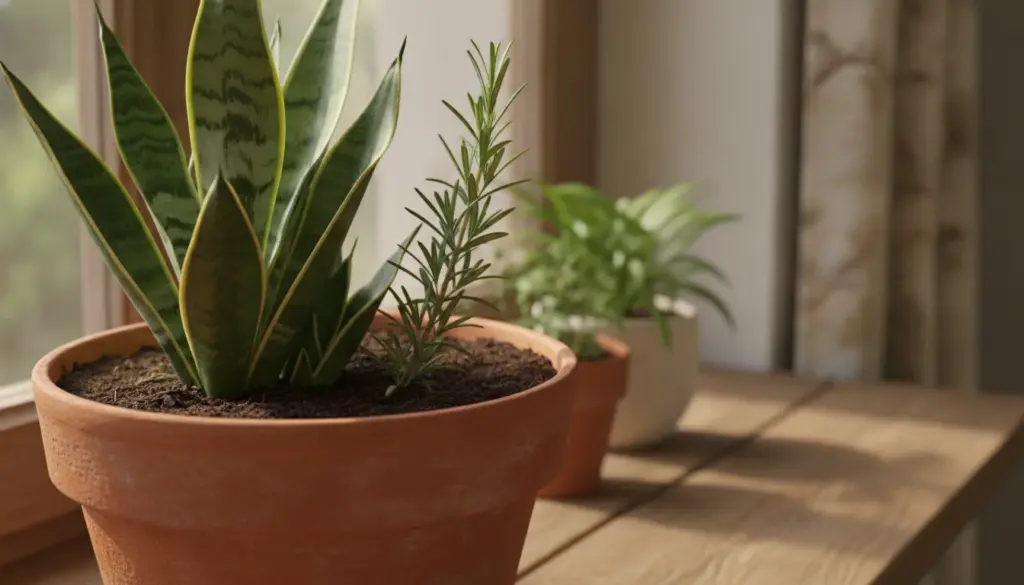
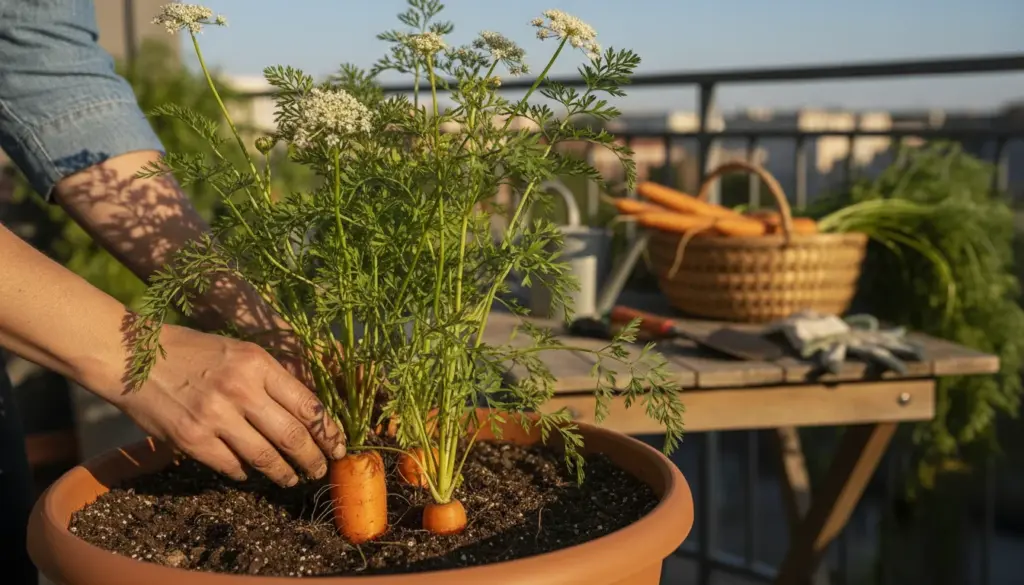
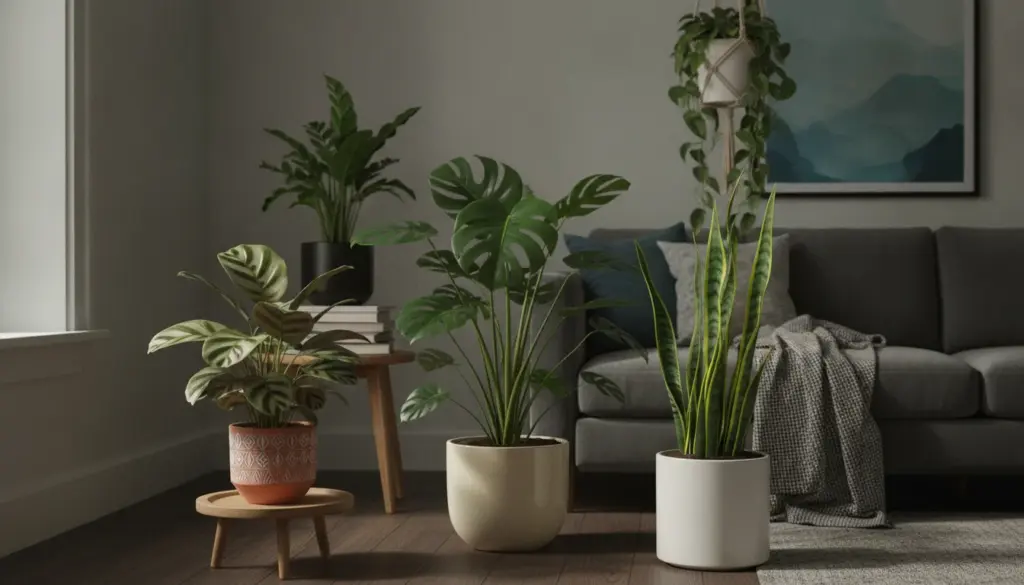
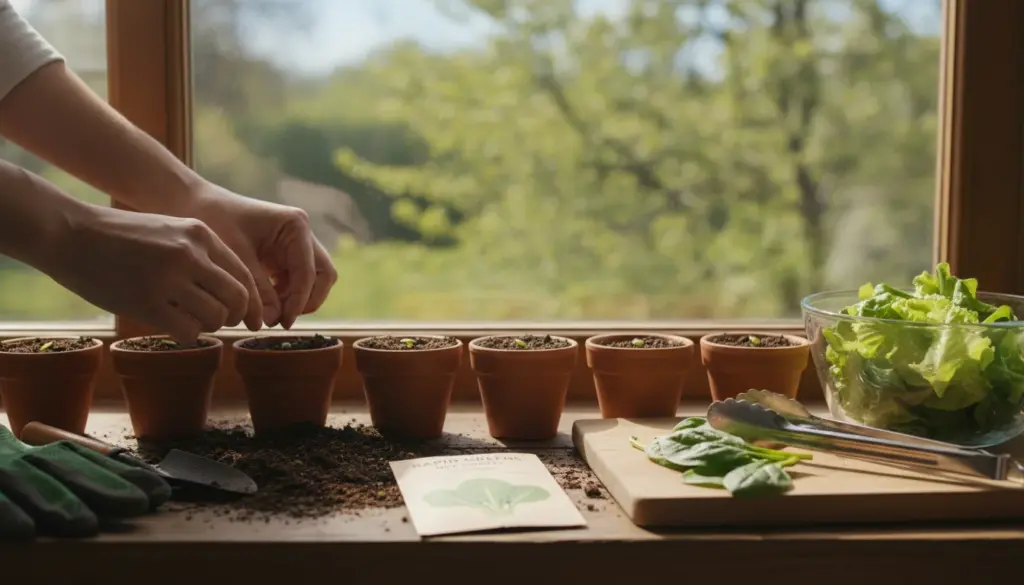
Children grow more self-assured when they witness their direct, positive impact on their surroundings. The best part? You absolutely do not need sprawling acres to begin this journey. A brightly lit kitchen windowsill, a modest balcony, or just a few repurposed containers are more than enough.
How to Start Your Family Garden
Here is how to easily weave this natural magic into your household routines:
- Begin with foolproof varieties. Fast-sprouting herbs like basil and mint offer quick visual rewards, helping kids instantly see the fruits of their labor and stay highly motivated.
- Involve them in every single step. Let your little ones hand-pick the seed packets at the store and get their hands dirty preparing the potting mix themselves.
- Create a predictable rhythm. Dedicating a specific time of day to check the soil moisture gently encourages consistency and personal discipline.
- Link growing to dining. Preparing a family meal using your own homegrown ingredients establishes solid nutritional habits and a deep respect for the food we eat.
- Celebrate the journey, not just the harvest. If a sprout fails to thrive, avoid framing it as a disaster. Instead, use the moment to thoughtfully discuss what adjustments could be made for the next planting cycle.
Sowing Seeds for the Future
While digital entertainment continues to dominate our kids’ free hours, revealing the quiet magic of a growing plant provides the most wholesome alternative available. By simply tucking a few seeds into a container, you are actively sowing lifelong virtues that will guide them well into adulthood.
Be sure to keep these ideas handy for the next time you plan a weekend family project, so you can easily reference them when setting up your own little indoor oasis.