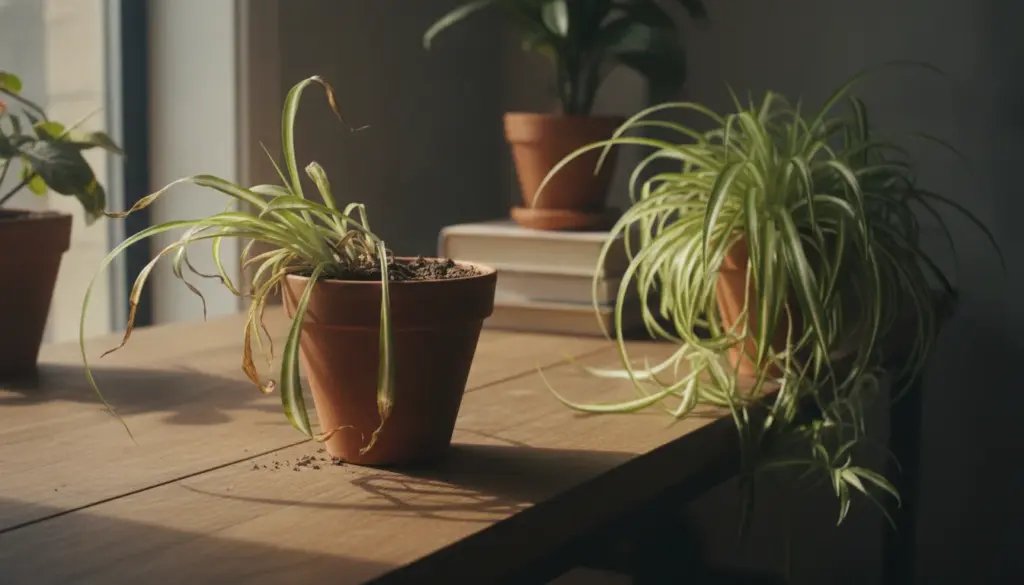
Out of nowhere, your trusty spider plant starts looking a bit miserable, showing off odd angles, brown tips, and bent foliage. While this popular houseplant is often considered nearly unkillable, it actually communicates its distress quite clearly. If you know exactly what to look for, the texture and shape of its foliage can instantly reveal underlying problems with light exposure, root health, or hydration.
How a thriving spider plant should look
A spider plant in peak condition resembles a vibrant, cascading green fountain. Long, slender leaves emerge from the center, arching gracefully downward without any harsh creases, mushy patches, or crispy tips. When you touch them, the leaves should feel wonderfully elastic and springy. The veins run smoothly along the natural curve of the foliage.
For variegated varieties, the color contrast will be striking, featuring crisp light stripes against a fresh green background. Down below in the pot, the soil should feel lightly damp—neither completely parched nor soaking wet. Under these ideal conditions, you will consistently spot tiny plantlets and fresh shoots developing at the ends of long stems.
The one-finger elasticity test
Healthy foliage will gracefully bend, whereas unhealthy foliage is prone to snapping. You can actually feel this distinction using just a single finger. Gently glide your digit along the length of a leaf. If the texture remains consistently firm and springs right back into place, your care routine is spot on. However, if you discover a sharp crease, a noticeably limp section, or a papery, dry patch, internal cellular damage has already occurred.
What bent and broken leaves really mean
Before panicking, it is important to determine if you are dealing with a structural care issue or simply an everyday accident. Sometimes, the cause is entirely innocent. A shifted pot, a playful cat, a curious toddler, or a window blowing shut can easily snap a few leaves. In these instances of pure bad luck, the overall health of the plant itself remains perfectly fine.
On the other hand, if you notice multiple fresh leaves emerging deformed, or if the same folding issue keeps happening, you are almost certainly looking at a cultivation problem. Spider plants are highly sensitive to missteps regarding their placement, ambient humidity, and hydration schedules.
Overwatering: Soggy soil and limp foliage
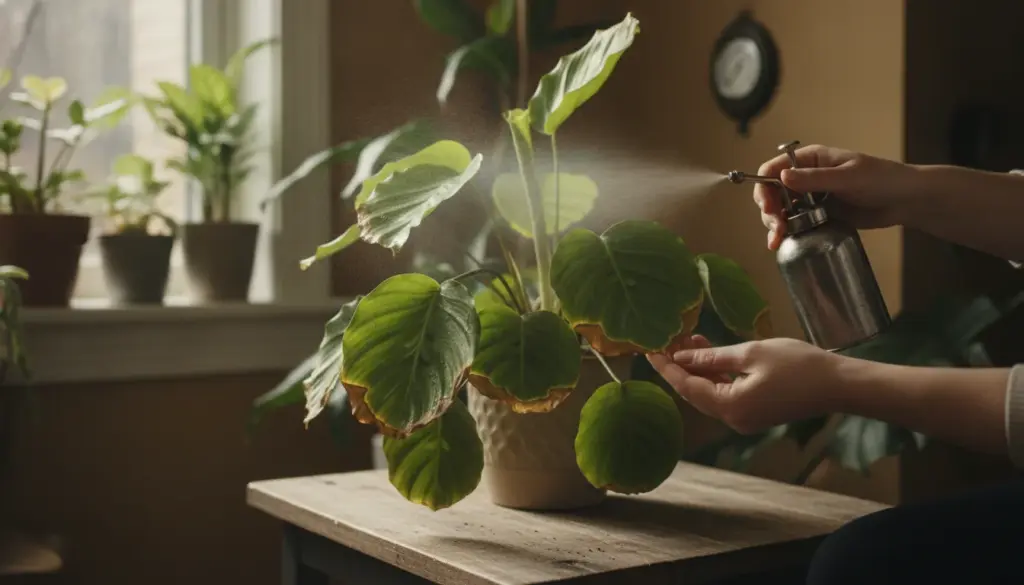
When potting soil remains constantly wet for extended periods, the root system begins to rot and deteriorate. Ironically, this root damage prevents moisture from traveling upward, leaving the top of the plant dehydrated even though you are watering it frequently. The most classic warning signs of this excessive watering mistake include severely drooping foliage and leaves that dramatically fold or snap at a single weak point.