
The Harsh Reality of Pets as Presents
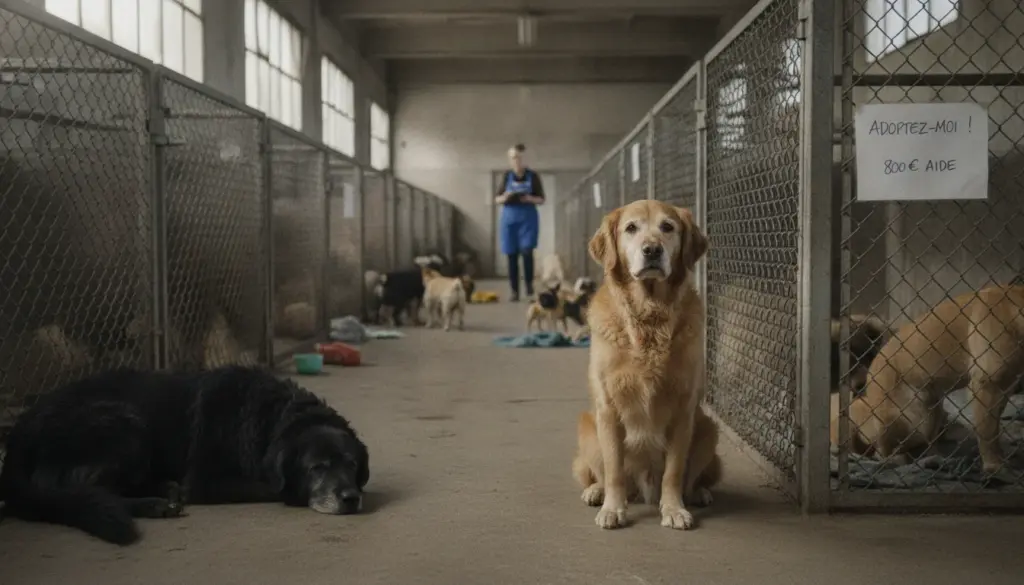
French animal shelters are currently overflowing with specific dog breeds, while senior and larger dogs are consistently overlooked. Even though puppies under the Christmas tree were a popular tradition for years, animal welfare organizations in France are now sounding the alarm. An increasing number of owners are returning their pets, leaving certain breeds practically unadoptable. Surprisingly, a little-known financial grant of up to 800 euros exists for those willing to bring a senior dog home.
Pets remain a highly favored birthday or holiday gift in France. The fantasy feels perfect: a playful puppy, thrilled kids, and idyllic family walks. However, this rosy picture quickly shatters for many households.
In 2024 alone, French animal welfare groups noted that approximately 40,000 companion animals found their way back to rescue centers. A massive chunk of these are dogs that were eagerly purchased less than a year prior.
A lack of time, rising costs, and unforeseen behavioral challenges drive thousands of canines back behind bars. Caring for a dog requires daily walks, consistent training, vet bills, and solving holiday boarding dilemmas. Many novice owners only realize the true financial and energetic toll months down the line. With the current cost of living climbing, plenty of people simply give up.
The Breeds Most Frequently Surrendered
Rescue workers point to a few specific breeds that consistently languish in kennels. These are typically large, high-energy dogs that demand intense guidance:
- Malinois (a highly driven working dog similar to a Belgian Shepherd)
- American Staffordshire Terrier (frequently referred to as an Amstaff or Staffy)
- Australian Shepherd
These breeds have exploded in popularity recently, thanks to social media trends and action movies. They look tough and athletic, which is exactly what draws many buyers in.
The reality is that these animals possess massive work ethics, strong prey drives, and deep protective instincts. They desperately need vigorous exercise, mental stimulation, firm boundaries, and preferably a large yard to sprint in. When confined to a tiny apartment with minimal outdoor time, these dogs build up immense frustration. This inevitably leads to destructive habits, excessive barking, leash pulling, and sometimes reactivity toward other dogs.
Common Excuses for Giving Up a Dog
Shelter staff routinely hear the exact same justifications when owners hand over the leash:
- “He just won’t listen and is way too hyper.”
- “I simply cannot provide the exercise he requires.”
- “My neighbors are constantly complaining about the noise.”
- “Obedience classes are incredibly expensive or too far away.”
Fundamentally, most of these dogs aren’t “bad” animals. They were just terribly mismatched with their humans. Without proper professional guidance, owners become completely overwhelmed, making surrender the only perceived option.
Why Large Dogs with a Tough Reputation Wait the Longest
Muscular breeds burdened with a “dangerous” stigma are almost always the last to be chosen. Shelter volunteers notice that prospective adopters heavily rely on emotion: they want a cute face, a compact size, and a wagging tail. A powerfully built dog sitting behind metal gates can be deeply intimidating.
Countless prejudices complicate things further. People worry about potential aggression, fear liability issues, or face strict rental agreements that ban specific breeds outright.
Ironically, with dedicated training, many of these imposing dogs grow into incredibly stable and intensely loyal companions. Yet, in various French shelters, large dogs wait years for a family, while tiny mixed breeds and puppies are scooped up in mere days.
The Forgotten Seniors of the Shelter World
Breed isn’t the only deciding factor; age drastically impacts a dog’s chances of leaving the kennel. Older pets are overwhelmingly left behind. Adopters naturally gravitate toward younger dogs, assuming they will get more years together or can mold the puppy’s personality from scratch.
According to the French foundation 30 Millions d’Amis, canines aged ten and older sit at the absolute bottom of the popularity list. This is a real shame, considering these senior dogs usually offer incredible benefits:
- They are significantly calmer indoors.
- They are typically already house-trained and well-mannered.
- They require much shorter walks instead of hours of hiking.
- They possess a deep desire to give and receive quiet affection.
For singles, elderly individuals, or busy families looking to skip the chaotic puppy biting phase, a senior dog can be an absolutely flawless match.
Claiming Up to 800 Euros in Support for Older Dogs
To actively lower the adoption barrier, 30 Millions d’Amis launched a brilliant initiative known as the “Doyens” campaign. This program focuses entirely on dogs aged ten years or older.
If you decide to adopt one of these older companions, you can receive up to 800 euros in veterinary cost reimbursements.
This financial buffer can be applied toward routine check-ups, necessary medications, or urgent surgical procedures. By removing the immediate fear of sky-high medical bills, organizations hope more people will open their hearts to a senior pet.
The Struggle for Dogs with Medical Conditions
Alongside seniors, animals battling health issues face notoriously slim odds of finding a home. Chronic skin allergies, heart murmurs, or arthritis instantly scare off most visitors. Potential owners naturally dread the thought of lifelong medications, expensive prescription diets, or frequent specialist visits.
Animal welfare experts emphasize that while this care does require commitment, it is often highly manageable. Many conditions only need a predictable, surprisingly affordable daily pill or routine monitoring. To give these sweet animals a fighting chance, some French rescue centers actually offer ongoing financial aid for medical expenses, sometimes covering them for the dog’s entire life.
A medical label does not mean the dog lacks a good quality of life. With the right management, they can enjoy many comfortable, happy years.
Crucial Questions Before Adopting a Rescue Dog
If you are seriously considering bringing a shelter dog into your life, you need to take an honest look at your daily routine. Asking yourself a few practical questions can prevent a tragic return trip:
- Exactly how many hours will the dog be left entirely alone?
- Do you have a realistic budget for quality food, vet care, and potential boarding?
- Does your landlord or favorite vacation spot actually permit dogs?
- Are you truly willing to invest time in daily training and socialization?
- Does a high-drive working breed realistically fit your laid-back lifestyle?
Shelter employees know their residents intimately. They can offer brilliant insights into a dog’s true temperament, energy levels, and hidden medical needs. If you choose based on lifestyle compatibility rather than just aesthetic appeal, the adoption is far more likely to succeed.
Why Older or Sick Pets Make Incredible Companions
Interestingly, people who take a chance on an older or medically needy dog frequently describe it as the best decision they’ve ever made. These animals display a profound, touching sense of gratitude, seemingly aware they’ve been given a second chance at life.
Their slower pace meshes perfectly with those who prefer cozy evenings on the couch over exhausting weekend hikes. For households with children, a steady, predictable older dog often brings a soothing presence. They already know their basic commands and lack the destructive impulsivity of a young pup.
When you carefully evaluate what you can genuinely offer—time, space, and budget—you often discover that the “hard-to-place” shelter dogs are actually the perfect puzzle piece for a standard family routine. The 800-euro support scheme proves that rescue groups are eager to help, ensuring these loving animals don’t spend their twilight years behind cold metal bars.