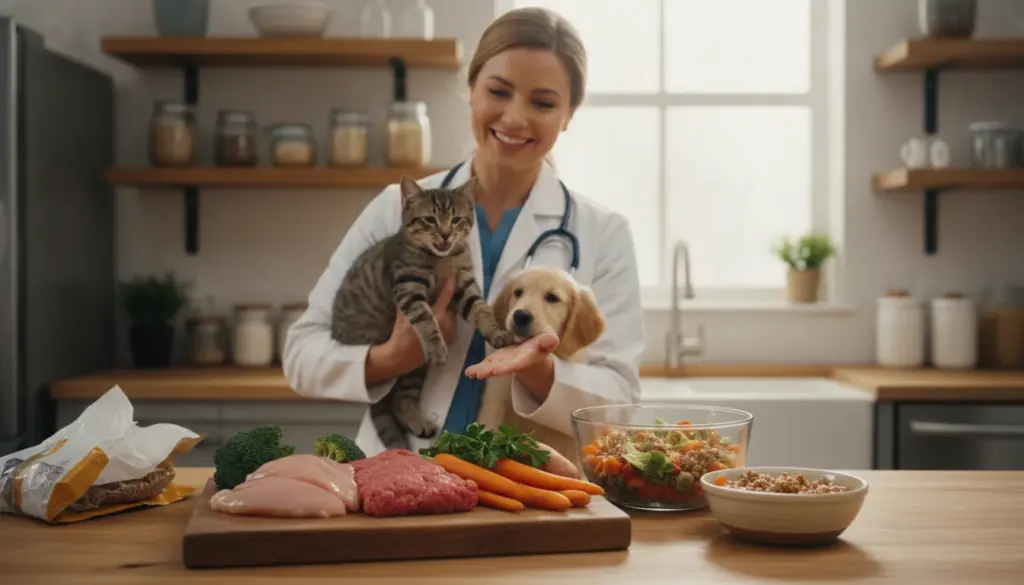
Dry Pet Food is Fundamentally Ultra-Processed
The concept of returning to nature when feeding our canine and feline companions has gained massive traction recently. While pet stores offer everything from premium, vitamin-enriched kibble to loosely regulated budget options, a growing number of veterinary professionals advocate for carefully crafted homemade meals. Veterinary specialist Carolina Torrado sheds light on this shifting paradigm and details how to seamlessly introduce wholesome ingredients into your pet’s bowl.
Torrado starts with a very straightforward premise: traditional dry kibble functions exactly like heavily processed human food, something entirely absent in the natural world. She acknowledges that truly excellent commercial formulas exist and continue to improve over time.
Therefore, the conversation shouldn’t just revolve around a simple “yes or no” to dry food. Instead, pet owners must evaluate the specific manufacturing methods, the true quality of the proteins used, and how those ingredients impact their furry friend’s long-term well-being.
The Critical Role of Digestible Protein
When dealing with suspiciously cheap kibble, the raw ingredients demand strict scrutiny. A laboratory breakdown might show that a budget formula meets baseline protein requirements, yet that specific protein could remain completely unabsorbable during digestion.
In extreme scenarios, low-tier products rely heavily on slaughterhouse waste, incorporating ground feathers or other discarded remnants. The packaging might boldly proclaim “chicken,” but that doesn’t guarantee the presence of nutritionally valuable meat. If the nutritional profile relies on inferior sources, your companion consumes something that merely looks like a complete meal.
Because cats and dogs require incredibly high-protein regimens for basic survival, this nutritional gap is dangerous. Even top-tier dry diets featuring superior additives and thoughtful recipes still fall under the ultra-processed category. Furthermore, Torrado highlights the critical issue of moisture content.
Dry food inherently enters the body completely dehydrated. To break it down into a digestible mass, the stomach pulls water from the animal’s system, forcing the digestive tract to work much harder. Over time, combining reduced dietary moisture with increased digestive strain can negatively affect both liver and kidney function.
Why Cooked Meals Make a Difference
By transitioning to a natural, gently cooked diet—rather than a raw one—pets receive vital hydration alongside their calories. This moisture-rich approach actively supports the digestive tract while delivering essential vitamins and minerals.
Because the body utilizes almost everything in a fresh meal, unabsorbed waste drops significantly. Caretakers frequently notice a dramatic reduction in stool volume, and their pets often drink much less water directly from their bowls.
Table Scraps Do Not Equal a Natural Diet
The veterinary expert draws a strict boundary between preparing a purposeful dish of poultry and vegetables versus tossing mealtime leftovers on the floor. Formulating a specific recipe for a pet is entirely different from sharing your heavily seasoned dinner.
Human leftovers typically harbor frying oils, heavy spices, and ingredients like onions that are highly toxic to animals. Torrado frequently encounters well-intentioned owners who attempt a homemade approach by serving a massive bowl of polenta mixed with carrots. This combination delivers an overwhelming carb overload.
Similarly, mixing a massive portion of rice with just a tiny sprinkle of minced meat throws the entire nutritional balance off. To thrive, these animals desperately need adequate protein levels, not just grain fillers.
Practical Cooking Guidelines to Follow
If you plan to overhaul your pet’s menu, keep these core principles established by Torrado in mind:
- Always cook the meals: Avoid serving raw ingredients or fried dishes.
- Choose water-based cooking: Boiling is ideal. Fat-free grilling or pan-roasting works as an alternative, though it removes valuable moisture from the meat.
- Skip pre-packaged ground meat: To maintain strict quality control, purchase whole cuts of beef, pork, or poultry and grind them yourself.
- Customize the texture: Adjust the consistency based on what your companion prefers. Dogs might enjoy larger chunks, while felines often gravitate toward a smooth, pate-like blend.
- Prioritize animal protein: Meat must remain the absolute star of the dish. While rice can be included, it is completely optional.
Two Tricky Elements: Calcium and Liver
Navigating a fresh diet requires careful veterinary oversight, specifically regarding two critical components. First, plain meat simply cannot fulfill an animal’s daily calcium requirements.
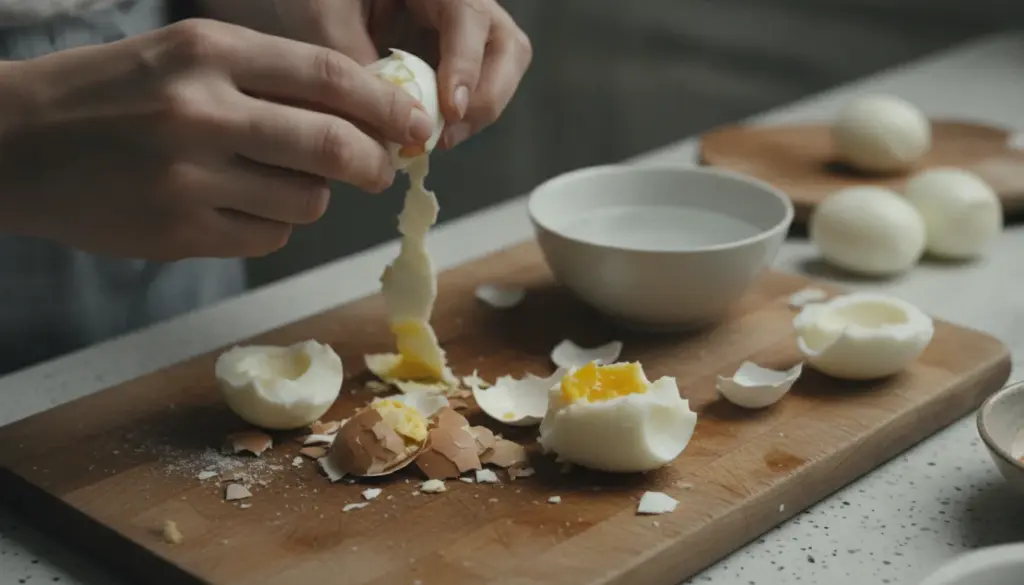
To bridge this gap, you might need to incorporate thoroughly cooked eggs or finely crushed eggshells. However, only a qualified professional should determine the exact supplementation amount based on your pet’s current health status and weight.
Secondly, while liver provides incredible nutritional value for cats and dogs, excessive consumption becomes toxic. A veterinarian must explicitly define both the correct dosage and feeding frequency.
While general guidelines for fresh feeding exist across the board, building a tailored nutrition plan alongside a professional who understands your pet’s unique daily routine and physical condition remains the safest path forward.
Managing Feeding Schedules for Busy Owners
A frequent concern inside veterinary clinics comes from individuals who work long shifts and cannot manage multiple fresh feedings throughout the day. This schedule proves especially challenging for felines, who naturally struggle with extended gaps between meals.
While a bowl of dry kibble allows cats to self-regulate and graze, fresh food spoils if left out. For busy households, Torrado recommends a straightforward hybrid strategy.
Serve a fresh, natural breakfast right before leaving for work, and leave a measured portion of dry food out for daytime snacking. The moment you return home, pick up the dry kibble and serve another wholesome, homemade dinner.
Pacing the Nutritional Transition
Rushing this dietary overhaul is a recipe for disaster. Torrado advises dedicating roughly an entire month to the transition, especially when dealing with highly sensitive felines. While dogs tend to adjust much faster, the golden rule remains: never force a rapid change.
An abrupt switch commonly triggers severe diarrhea or general lethargy because the intestinal flora simply isn’t equipped to process the unfamiliar ingredients. If digestive upset occurs, dial the process back a few steps and proceed much slower, ideally under clinical guidance.
Felines present a very unique hurdle: if they have exclusively eaten dry kibble their whole lives, they might outright reject fresh recipes. Never try to wait them out using the “they will eat when they get hungry” method. Prolonged fasting in cats triggers catastrophic and potentially fatal health cascades.
Visible Health Transformations
Do not anticipate miraculous overnight transformations if your companion has spent years eating nothing but processed food. The improvements manifest gradually, but they are undeniably striking once they arrive.
Typically, coat health improves first, resulting in drastically reduced shedding and a vibrant shine. Pets often display renewed enthusiasm for their meals without acting anxiously around feeding times. Furthermore, caretakers notice smaller waste production, and routine blood panels frequently reveal a massive boost in overall internal health.
Highly Dangerous and Banned Ingredients
Regardless of whether you own a dog or a cat, you must remain incredibly vigilant to ensure they never consume:
- Garlic and onions
- Raisins and grapes
- Chocolate
- Bones (both raw and cooked): These pose a massive splintering hazard. The only rare exception involves massive kneecaps used strictly for gentle gnawing, never for crunching into sharp fragments.
- Tea and coffee
- Alcoholic beverages
- Any products containing marijuana
Additionally, while not strictly poisonous, avocados should stay off the menu due to their overwhelmingly dense fat concentration.
Torrado also warns against purchasing those ubiquitous bleached chew bones found in most pet supply aisles. To achieve that stark white color and indefinite shelf life, manufacturers load them with synthetic dyes and heavy preservatives that animal digestive systems simply cannot break down properly.
When to Seek Emergency Veterinary Care
Immediate clinical intervention is mandatory if your pet experiences intense trembling, severe diarrhea, vomiting, profound lethargy, or if they accidentally ingest a substantial amount of the prohibited items listed above.
For cat owners, any instance of stubborn food refusal that stretches into a prolonged fast demands absolute urgency. Never delay seeking professional help if your feline stops eating entirely.