Picture yourself lounging on a world-famous shoreline, completely oblivious to the multimillion-dollar historical fortune buried in the sand right below your toes. Instead of scouring endless academic archives for authentic glimpses of antiquity, you can explore the remarkable saga of the Ses Fontanelles wreck. This late Roman vessel, dating back to the fourth century, has survived the ages in an astonishingly pristine state. Unearthing this maritime relic essentially allows us to touch the luxurious, everyday reality of the ancient Mediterranean world, practically hidden in plain sight.
A Remarkable Find in Shallow Waters
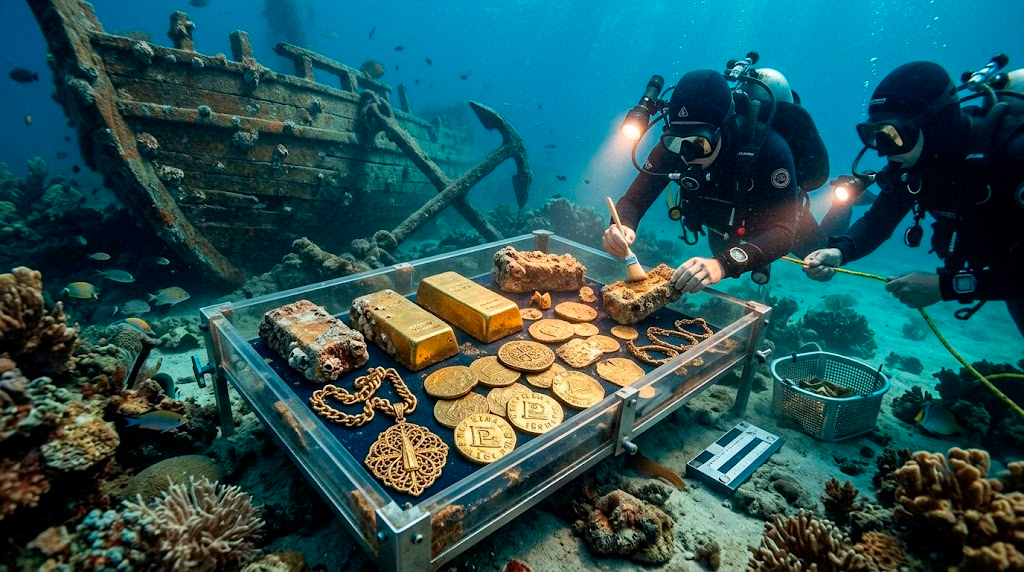
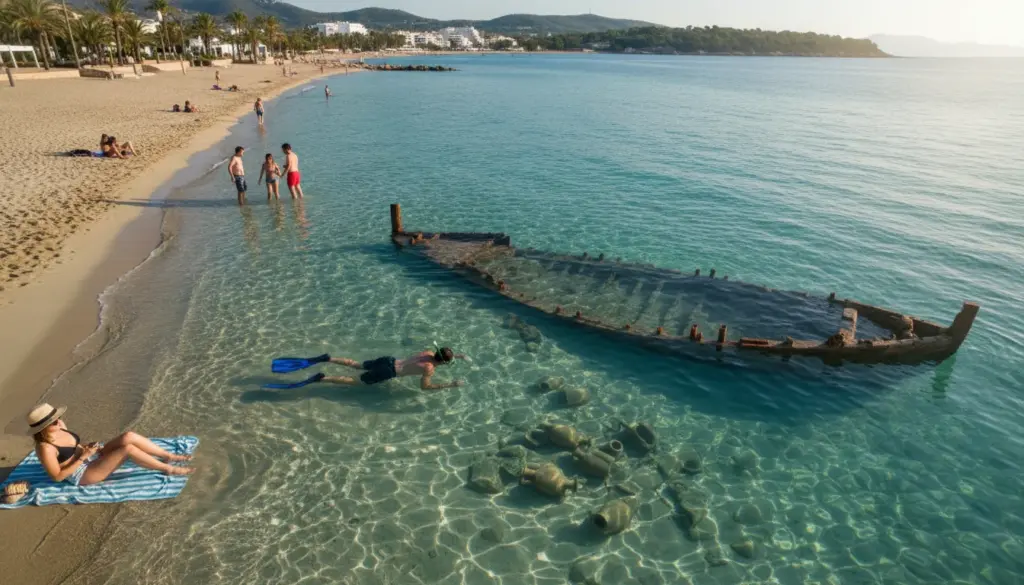
The entire saga kicked off during the warm months of 2019 when a local diver exploring the waters near Playa de Palma spotted something resembling a sunken wooden boat. Astonishingly, this monumental artifact was resting a mere 65 meters from the beach at a depth of only 2.5 meters. From an archaeological perspective, it is almost unfathomable that countless vacationers swam directly above this site for decades, blissfully unaware of the 1700-year-old time capsule beneath them.
Experts quickly identified the remains as a late imperial Roman merchant ship. Because the surrounding marine sediments were completely deprived of oxygen, the wooden hull and its precious cargo were shielded from natural decay. This unique anoxic environment essentially froze the vessel in time, making it one of the most critical discoveries in European underwater archaeology.
Measuring roughly 12 meters in length and 6 meters in width, the boat went down during an era when the Mediterranean served as the ultimate commercial highway of the empire. At that time, Mallorca functioned as a vital logistical stepping stone on the trade routes bridging Spain with the broader Roman West.
An Untouched Ancient Cargo
While the remarkably intact wooden frame is fascinating to shipwright historians, the true magic lies hidden beneath the ancient decks. Marine archaeologists recovered more than 300 clay amphorae, the standard ceramic shipping containers used for transporting foodstuffs across the ancient world. A vast number of these vessels were pulled from the seabed completely intact, still bearing legible, painted inscriptions on their exteriors.
Inside these earthen jars sat premium, high-quality provisions meant for local island markets. The manifest included wine, olive oil, cured olives, and the highly sought-after Roman delicacy known as garum (or liquamen), a pungent fish sauce crafted from sardines and anchovies. These were not basic survival rations, but rather luxury commodities destined for wealthy Balearic consumers.
When analyzing ancient Roman trade, maritime specialists often look for tituli picti on these ceramic containers. These painted markers functioned much like modern commercial barcodes, detailing the exact producer and net weight of the goods inside. Finding them so well-preserved highlights the incredibly sophisticated bureaucratic systems driving Rome’s global economy.
Christian Symbols and Commercial Routes
Extensive historical analyses pinpointed the ship’s origin to the bustling region of Cartagena (historically known as Carthago Spartaria), a powerhouse port in southeastern Spain. Notably, this is the very first shipwreck featuring a complete cargo load from this specific Spanish territory ever discovered in the Mediterranean basin.
The markings on the clay vessels reveal far more than simple shipping manifests. Several of the ceramic stoppers were stamped with a chrismon, the classic monogram of Christ. This subtle detail indicates that by the fourth century, commercial enterprise was already heavily intertwined with the newly dominant Christian faith, suggesting portions of this luxury cargo may have been directly owned by religious institutions like local bishoprics or monasteries.
Personal Effects and Shipbuilding Mastery
The Ses Fontanelles site also offers an intimate look at the rugged individuals who navigated the ancient seas. Scattered among the submerged sands, divers discovered shoes crafted from leather and esparto grass, alongside period-accurate carpentry tools and organic plant matter used as protective cargo padding. These seemingly mundane artifacts paint a vivid picture of daily life for a working Roman sailor.
In a fascinating nod to maritime superstition, researchers uncovered a specific Roman coin, originally minted in Siscia (modern-day Croatia), deliberately tucked beneath the ship’s mainmast. Placing a coin here was a time-honored ritual sacrifice intended to grant the vessel divine protection and secure safe passage through treacherous waters.
The structural design of the hull itself serves as a masterclass in ancient engineering. While the primary framework was constructed from durable pine, the builders utilized much harder woods like olive, juniper, and laurel for the smaller securing pegs. This deliberate material selection showcases the profound botanical and structural knowledge possessed by Roman shipwrights.
Preserving History for the Future
Today, this extraordinary shipwreck faces a critical turning point as regional authorities in Mallorca initiate the highly complex technical process of fully extracting the wooden remains from the sea. Recovering a waterlogged structure requires highly specialized desalination and conservation equipment. Successfully saving the entire hull would mark an unprecedented achievement in this corner of the Mediterranean.
Should the meticulous conservation efforts succeed, the Ses Fontanelles ship will eventually take center stage at a major museum in Mallorca. It will offer the public a completely unique opportunity to view a fully recovered Roman vessel pulled directly from local waters.
It remains delightfully ironic that this silent witness to ancient history spent over 1700 years buried in the shallows, just yards away from modern resorts and beachgoers in flip-flops. It stands as a profound reminder that beneath our modern, paved world, the spectacular secrets of a mighty empire are still waiting to be found.