The Hidden Costs of Kitchen Waste
Have you ever considered that your morning brew might be silently draining your wallet? Improperly sorting everyday kitchen scraps is the fastest route to facing a garbage disposal bill that is four times higher than usual, not to mention the unnecessary headache. Truth be told, a large portion of us toss these items based on pure guesswork, which often leads to expensive mistakes. Fortunately, correcting this habit is incredibly simple, and it can even provide you with some fantastic free plant fertilizer along the way.
Understanding Strict Segregation Rules
Far too often, household rubbish ends up in random bins simply because we aren’t entirely certain where it belongs. However, proper waste management operates on strict guidelines, and ignoring them will inevitably hit your bank account. Building accurate disposal habits isn’t just about environmental peace of mind; it is essential for maintaining lower waste collection fees that directly protect your monthly household budget.
The entire framework relies on a straightforward color-coded system. You should utilize brown bins for bio-waste, grey or black containers for mixed refuse, yellow for plastics and metals, blue for paper, and green for glass. These specific categories ultimately determine whether your household scraps are successfully processed or turn into a problematic environmental burden.
Failing to separate your trash properly often results in hefty financial penalties. In reality, local municipalities can enforce fines reaching up to 400% of your standard base rate. Just imagine suddenly paying quadruple your regular bill! This situation is particularly precarious in multi-family apartment buildings where collective responsibility is the norm. If just a handful of neighbors make a sorting error, every single resident in the building pays the price.
Where Do Tea Bags Actually Belong?
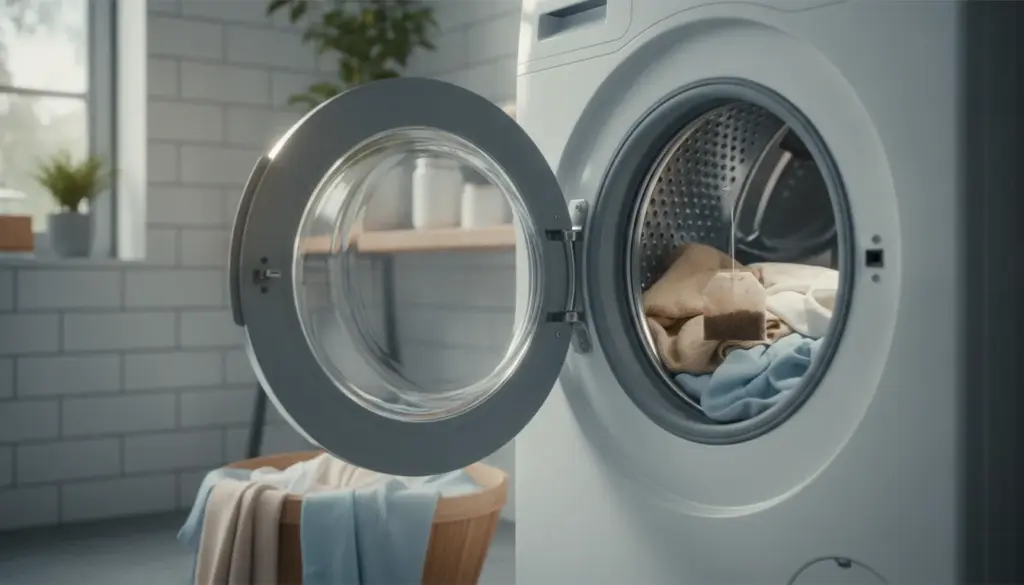
When in doubt, a majority of people automatically toss used tea bags into the mixed waste bin. While this is generally a safe bet, the reality is a bit more nuanced. If your favorite brew comes wrapped in a pouch made of cellulose pulp, natural paper, or plant fibers, you can confidently toss it right into the brown bio bin or your backyard compost pile.
The real complication arises when manufacturers incorporate polypropylene (plastic) into the mesh to make it stronger. These reinforced bags must never enter the organic waste stream, as they simply will not break down naturally in the soil. Their only proper destination is the grey or black mixed trash container. Before you throw one away, take a second to feel the material—does it feel like standard paper, or does it have a slightly slippery, synthetic texture?
Expert Tip: If you are struggling to determine whether a tea bag contains hidden plastics, try a quick tear test. Authentic, clean paper will rip smoothly and easily. Conversely, a bag laced with synthetic fibers will stretch or offer noticeable resistance. If you feel that pull, always default to your mixed waste bin.
Brilliant Uses for Leftover Coffee and Tea Grounds
Because both coffee and tea are entirely plant-based materials, their ultimate destination—once they’ve brewed your perfect cup—should be the bio-waste container. Under the right environmental conditions, these organic remnants decompose rapidly, returning essential base nutrients back into the earth. It is the absolute easiest form of at-home organic recycling.
However, before you toss them out completely, you might want to consider your garden or balcony planters. Used grounds serve as an incredible, zero-cost fertilizer. Acid-loving varieties like roses, azaleas, and hydrangeas absolutely thrive on leftover tea leaves. Simply blending them into your potting soil improves its overall structure and delivers vital nutrients, saving you a trip to the expensive garden center.
Used coffee grounds are equally versatile around the house. They make an excellent natural body scrub and act as a gentle abrasive for scrubbing stubborn kitchen grease. Surprisingly, the scent of scattered tea leaves works as a fantastic ant repellent. Furthermore, burning dried coffee grounds is a time-tested trick for keeping annoying mosquitoes away during warm summer evenings on the patio.
How to Properly Dispose of Coffee Pods
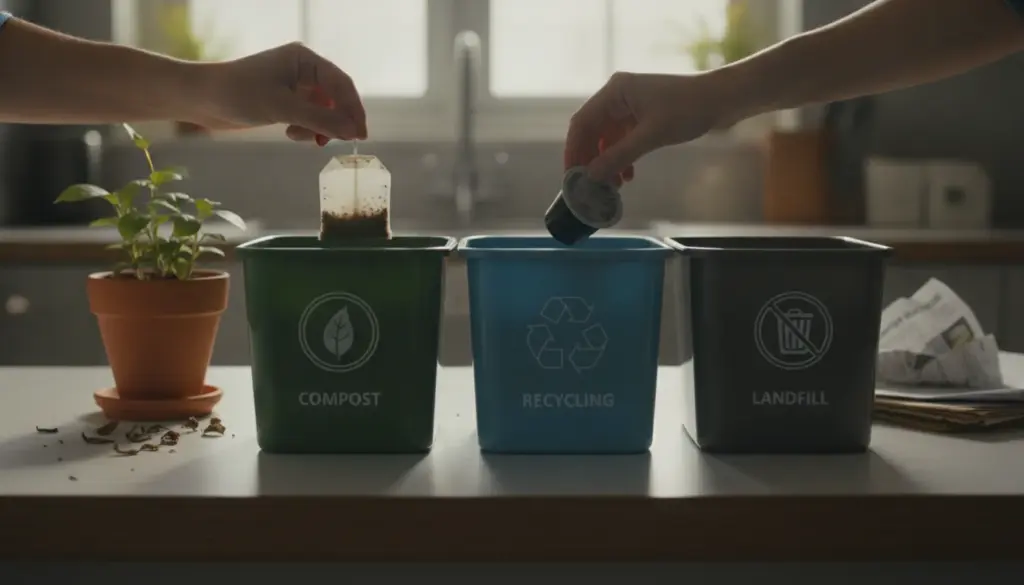
Discarding single-use coffee capsules is arguably the most confusing part of kitchen cleanup. While your intuition might tell you to throw them straight into the mixed garbage, doing so is a massive error. The vast majority of these little cups are crafted from recyclable plastic or aluminum. To dispose of them correctly, you must first empty out the wet grounds (which go straight into your bio bin). Afterward, the empty shell itself belongs in the yellow bin for metals and plastics.
It always pays to scrutinize your coffee packaging carefully. Modern brands frequently print precise, easy-to-read recycling icons directly on the box to guide your sorting process. Keep in mind that a thoroughly emptied pod is a highly valuable secondary raw material ready for a new life, whereas a capsule still packed with damp coffee remnants instantly becomes a recycling nightmare.