Every morning, enormous quantities of used coffee grounds are thrown into the bin, even though experienced gardeners often regard them as brown gold. By adopting one simple habit, you can give your garden, balcony or collection of houseplants a natural boost throughout the year.
What is normally dismissed as ordinary kitchen waste can, in practice, become a valuable soil improver.
Coffee grounds do more than add organic matter and nutrients. Used correctly, they can help create a lighter soil structure and may even form a barrier that certain unwanted garden visitors prefer to avoid.
Whether you look after a large garden, a balcony packed with containers or an impressive collection of indoor plants, it is worth making sensible use of this sustainable by-product.
Why coffee grounds can become a plant’s best friend
The brown residue left behind after your morning coffee is far from useless. It contains a range of substances that can enter the soil’s natural nutrient cycle as the material decomposes.
One of the most important is nitrogen, which plants need to produce healthy green leaves and strong stems.
Coffee grounds also contain phosphorus, which supports root development and flowering, and potassium, which plays an important part in a plant’s resistance to drought, disease and sudden changes in temperature.
They contain trace elements as well, including magnesium and copper. These are involved in essential processes such as chlorophyll production and enzyme activity.
Compared with fast-acting artificial fertilisers, organic material has the advantage of releasing its nutrients gradually as it breaks down.
When coffee grounds are applied sensibly, there is therefore less risk of scorched roots or a sudden surge of growth that the plant cannot sustain.
Better soil structure and a thriving underground ecosystem
The benefits are not limited to feeding plants. Coffee grounds may also improve the texture of the soil, particularly when they are mixed with other organic matter or added to the compost heap.
As they break down, they can attract earthworms and other beneficial creatures. These tireless helpers create small channels through the soil, allowing water to penetrate more easily and improving the supply of oxygen around the roots.
Beneficial microorganisms also thrive in loose soil that contains plenty of organic material.
This invisible underground ecosystem breaks organic matter down into compounds that plants can absorb more readily, helping the soil remain active and fertile over the longer term.
The result may be more even plant growth and fewer problems associated with compacted soil, poor drainage, fungal disease and root rot.
A particularly useful option for acid-loving plants
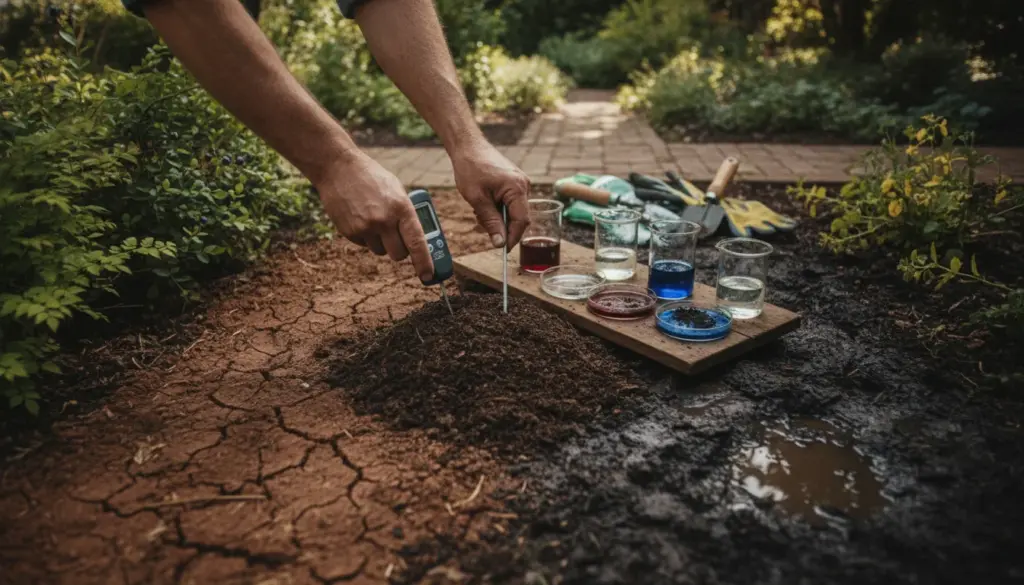
Used coffee grounds are often associated with mildly acidic growing conditions. This can make them particularly interesting for plants that prefer soil with a relatively low pH.
Mixing in a small amount occasionally, or preferably incorporating the grounds into mature compost, may benefit these plants.
In a garden with very chalky or alkaline soil, coffee waste can work alongside other organic materials to create more favourable conditions for lime-sensitive species.
In soil that is already neutral or mildly acidic, moderate quantities are unlikely to produce dramatic changes in pH. Instead, the additional organic matter can help create a more stable growing environment and soften sudden fluctuations that delicate root systems may struggle to tolerate.
The plants that particularly appreciate coffee grounds
Not every plant responds in the same way to this type of treatment. There are, however, certain groups for which small, regular quantities — particularly when composted — may be beneficial.
Gardeners commonly use coffee grounds around ornamental shrubs and flowers that naturally prefer acidic soil.
• Hydrangea: In suitable varieties, mildly acidic soil can encourage the highly prized blue or violet flower heads.
• Rhododendron: It thrives in organic-rich ericaceous soil and may respond with denser foliage and more abundant flowers.
• Camellia: Appropriate soil conditions help reduce the risk of leaves turning yellow prematurely.
For these ornamentals, coffee grounds can play two roles: adding organic material and supporting the conditions preferred by acid-loving plants.
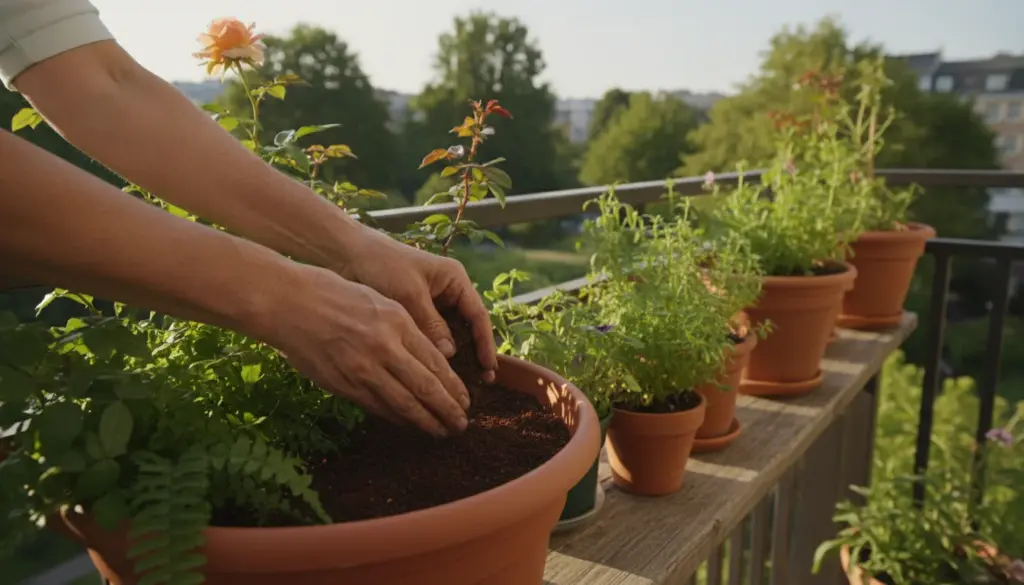
Roses may also respond well to a balanced supply of organic nutrients. Nitrogen helps support vigorous new shoots, while other nutrients contribute to the formation of buds and flowers.
During the growing season, it may be sufficient to work a small handful of thoroughly dried grounds lightly into the top layer of soil, ideally together with compost or another mature organic fertiliser.
The kitchen garden and houseplants also deserve attention
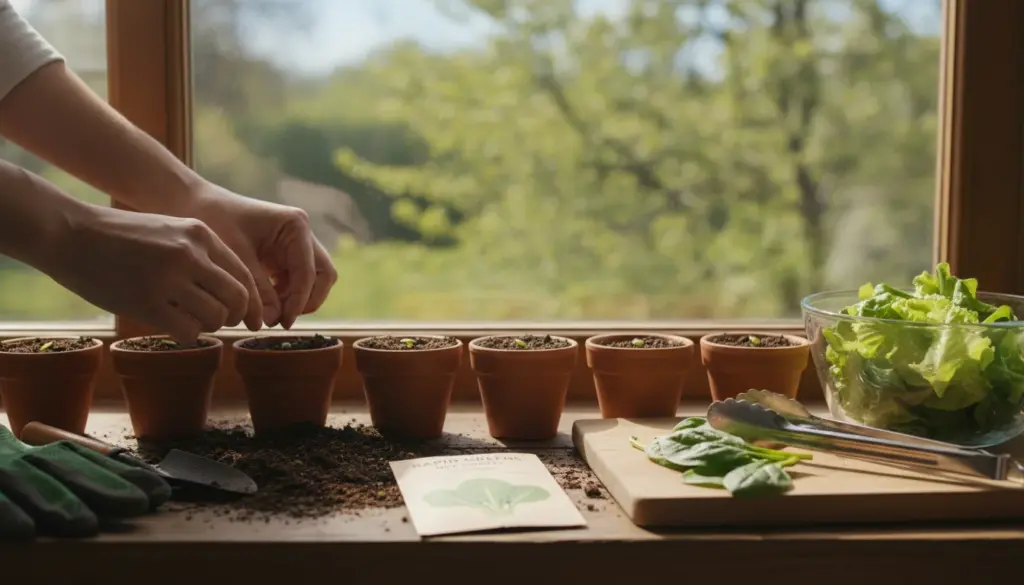
In the kitchen garden, the benefits of a loose soil structure are particularly noticeable when growing root vegetables.
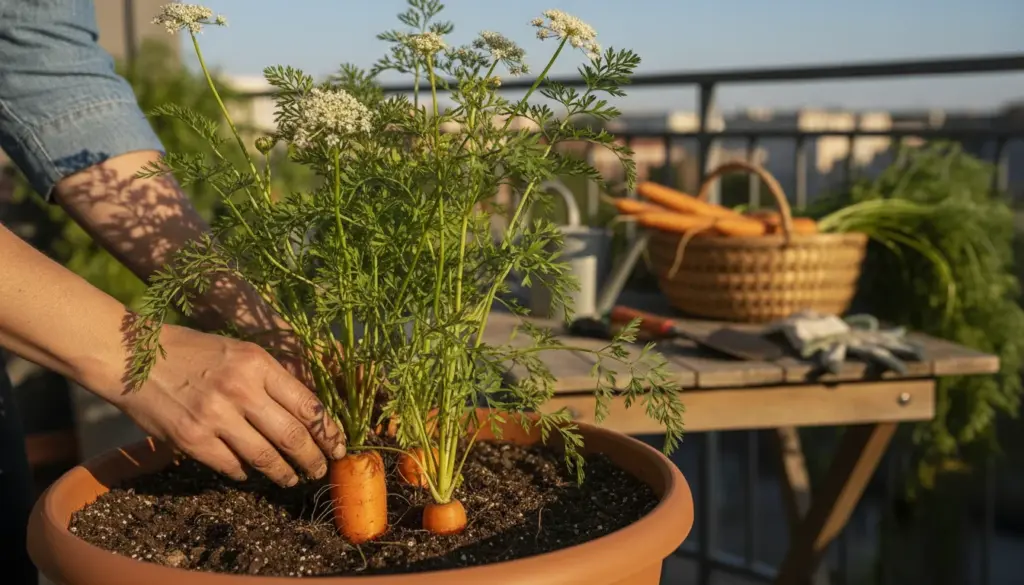
Carrots, radishes and other root crops develop more successfully in soil that is soft, friable and free from compacted lumps. This allows the roots to grow downwards without obstruction and reduces the risk of crooked, forked or misshapen vegetables.
Some houseplants may also benefit from small quantities of well-decomposed organic material.
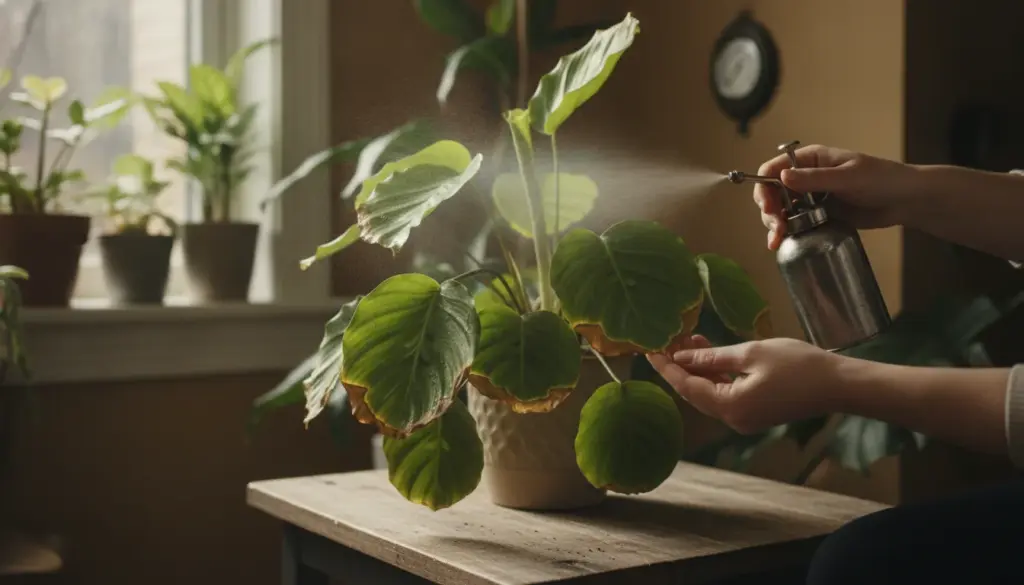
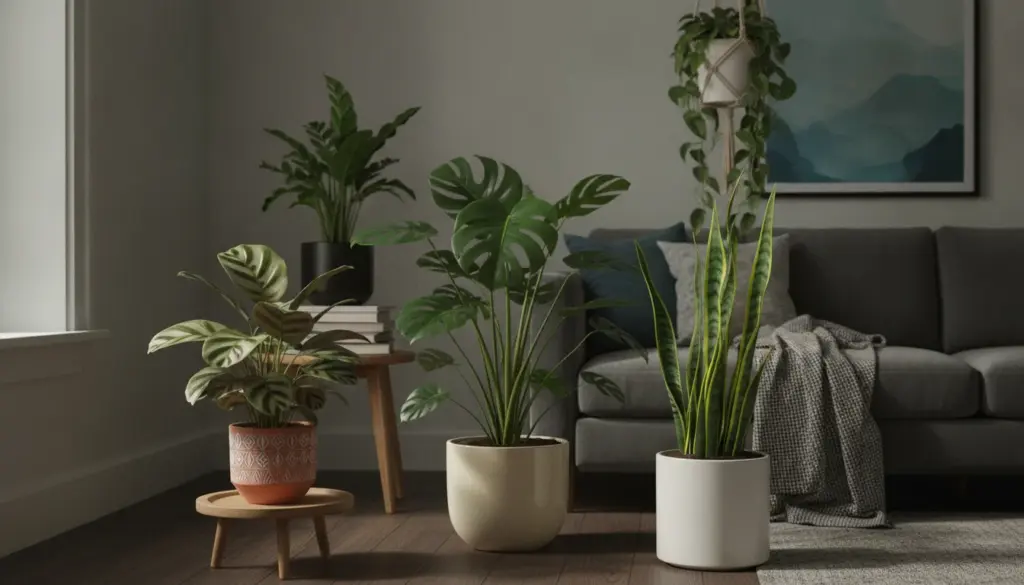
Tropical favourites such as Monstera prefer a growing medium that is fertile but still light and airy. A very small quantity of coffee grounds can be mixed into the potting compost, provided that it is not allowed to form a thick, wet layer on the surface.
Much greater care is required with more delicate specialists such as orchids. Their roots need plenty of air and do not tolerate a dense or waterlogged growing medium.
Only minute quantities should be considered, mixed thoroughly with specialist orchid bark. Too much coffee material may retain excess moisture and suffocate the sensitive roots.
Where it is better to hold back
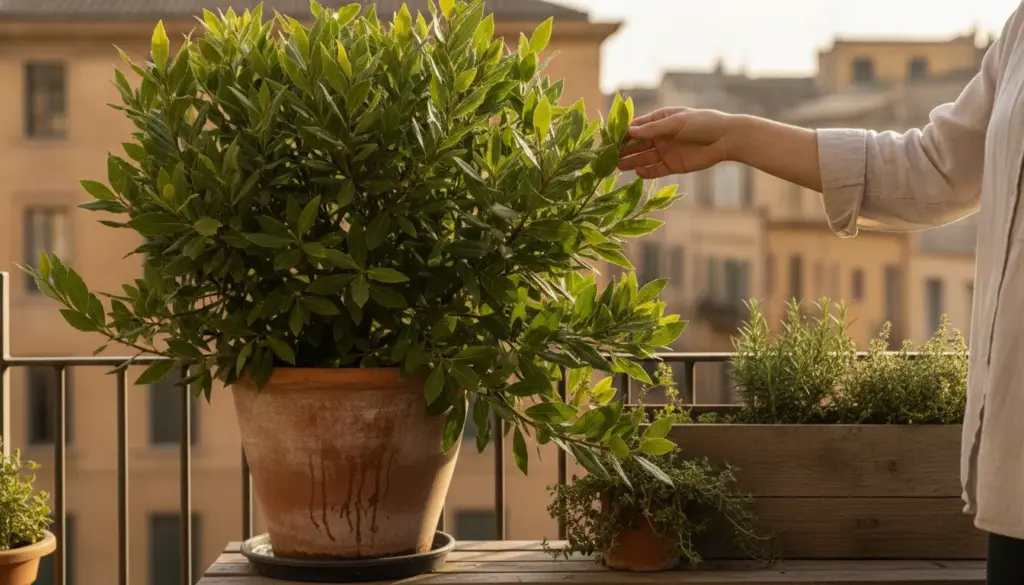
Mediterranean herbs are a very different matter.
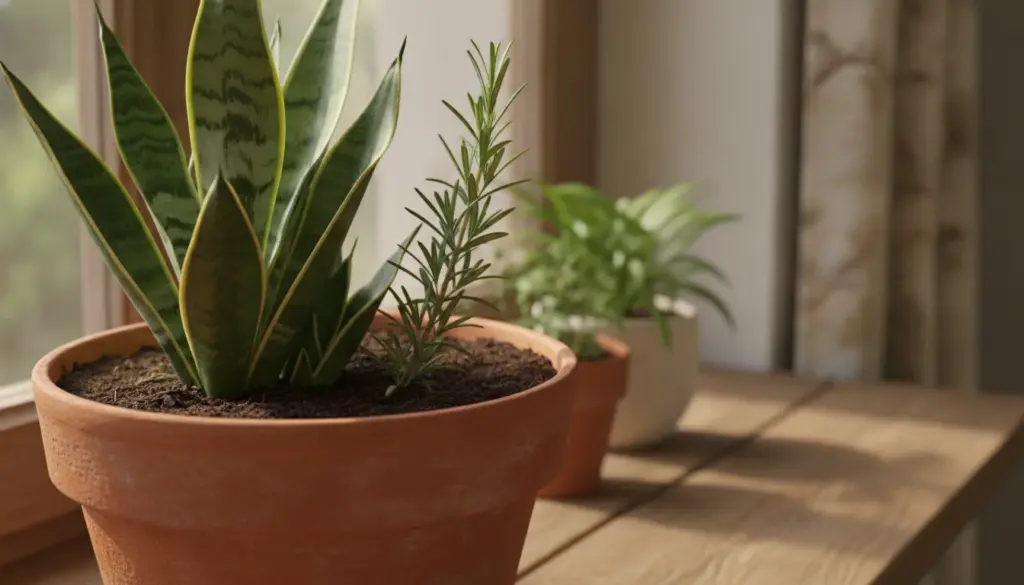
Lavender, rosemary and thyme are naturally adapted to relatively poor, alkaline and exceptionally free-draining soil. Excess nitrogen, moisture and organic matter can harm them rather than help them.
Spreading a thick layer of coffee grounds around a lavender bush may be well intentioned, but it can quickly create conditions in which the plant begins to struggle.
For this particular group of sun-loving herbs, avoiding direct applications is the safest approach. At most, a very small quantity may be included in a well-made, fully mature and balanced compost.
A natural barrier against unwanted visitors
As well as adding organic material and improving the soil, thoroughly dried coffee grounds are often used as a simple barrier around vulnerable plants.
Their gritty texture and distinctive smell may be unappealing to certain garden pests, particularly slugs and snails.
By sprinkling a thin but continuous ring of completely dry grounds around young plants, you can create a physical surface that some molluscs prefer not to cross.
• Slugs and snails may avoid beds protected by a dry border of coffee grounds.
• Ants may alter their established routes when they encounter a strongly scented barrier.
• Visiting cats may find both the smell and the texture unpleasant.
• Some experienced gardeners also report fewer aphids on plants grown in soil enriched with coffee-based compost.
Any deterrent effect may be linked both to the rough texture of the material and to substances that remain in the grounds, including traces of caffeine.
The barrier must, however, be renewed regularly, particularly after heavy rain. Once the grounds become wet and disperse into the soil, they lose much of their effectiveness as a surface obstacle.