A Culinary Symbol Under Pressure
A surprising movement is taking shape across France as several artisanal bakers make an unexpected decision: pulling the quintessential baguette from their shelves. Instead of the iconic thin loaf, these modern shops are pivoting toward hearty, slow-fermented breads. While the classic French stick was once an absolute daily necessity, a new wave of bakeries is entirely phasing it out in favor of long-lasting sourdough and ancient grains.
For generations, the classic baguette has stood as the ultimate gastronomic emblem of France, even securing a spot on UNESCO’s intangible cultural heritage list. Yet, actual daily consumption tells a different story of steady decline. Immediately following the Second World War, the average French resident consumed roughly 700 grams of bread daily. Fast forward to today, and that number has plummeted to a mere 99 grams per person each day—the equivalent of less than half a standard baguette.
Industry experts attribute this steep drop to shifting dietary routines. The traditional morning stroll to the corner bakery is increasingly being replaced by quick, on-the-go breakfasts, a rushed cup of coffee, or skipping morning meals altogether. For many younger generations, the beloved national loaf has transitioned from an everyday staple to a weekend indulgence enjoyed primarily during family gatherings.
The Emergence of the Neo-Bakery
As traditional habits fade, a fresh retail concept is rapidly gaining traction: the neo-bakery. These contemporary establishments pair sleek, modern aesthetics with a deep commitment to old-world craftsmanship, extended fermentation processes, and organic agriculture.
Core traits of these modern establishments include:
- Utilizing ancient grains and regionally sourced wheat varieties.
- Prioritizing organic or minimally refined flours.
- Relying exclusively on natural sourdough starters and extended resting periods.
- Producing substantial, bulky loaves rather than slender sticks.
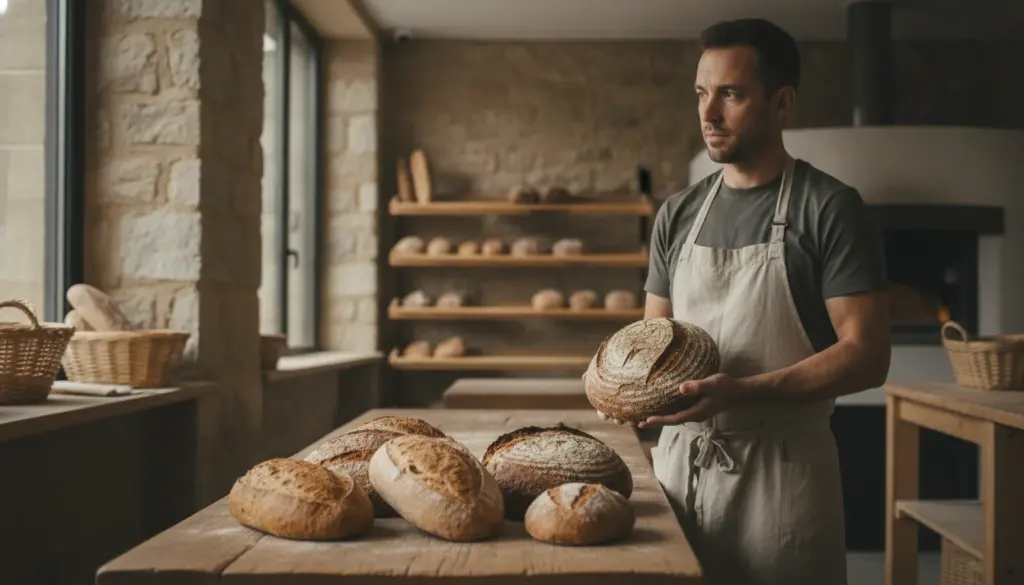
Inside these shops, you are much more likely to find hefty, round peasant loaves or dense multigrain creations. A select group of these artisan bakers is entirely eliminating baguettes to brand themselves exclusively as specialty bread purveyors.
Why the Classic Baguette is Disappearing
In the Brittany city of Rennes, a shop named “Seize Heures Trente” made headlines by deliberately refusing to bake the iconic French stick. The proprietors argue that producing the traditional item drains too much energy, offers minimal nutritional benefits, and goes stale far too quickly.
Instead, their production focuses on substantial, dark country loaves. This shift in size and preparation allows bakery ovens to operate much more efficiently. According to the owners, baking a few large batches of hefty bread consumes significantly less electricity and gas than continuously firing up ovens throughout the day to supply fresh, highly perishable baguettes.
Massive, dense breads require less heat per kilogram to bake and boast a vastly superior shelf life. While a standard baguette often loses its appeal within hours and gets tossed by the next day, heavy sourdough loaves can be sold and consumed over several days. This drastically reduces financial strain on the business while simultaneously cutting down household food waste.
Sustainability and the Climate Factor
Environmental awareness heavily influences this new generation of bakers. Faced with soaring energy costs and the pressing need to minimize carbon footprints, they use their baking methods as a tool for ecological responsibility. By running their ovens less frequently and avoiding continuous high-temperature spikes, these businesses successfully curb their overall power usage.
Many view this pivot toward hearty, slow-risen baked goods as a long-term ecological investment. Their modified menus directly reflect broader global concerns regarding climate shifts, raw material shortages, and the vital need to back local farming communities.
Customer Shock and the Price of Artisanal Quality
The bold move away from standard white bread is not isolated to Rennes. Just outside Paris in the Val-d’Oise department, a shop called “Mouilette” opened its doors in Enghien-les-Bains in 2024 without a single baguette in sight. Relying purely on wild yeast, the business leans heavily into eco-friendly branding and the extended freshness of its products.
Unsurprisingly, walking into a French bakery devoid of baguettes feels like sheer blasphemy to certain locals. It is not uncommon for bewildered patrons to immediately turn around and leave when they realize their beloved everyday loaf is missing. Yet, a growing demographic enthusiastically embraces the change, praising the complex flavors and chewy textures of the darker varieties. What starts as initial confusion often transforms into fierce loyalty for these robust sourdoughs.
Cost remains a significant dividing line. While a traditional baguette usually hovers around one euro, these artisanal half-kilo specialty breads can easily command five to seven euros. You undeniably receive denser, more filling food for that price, but the upfront cost is notably higher.
Renowned French baker Éric Kayser notes that neo-bakeries predominantly attract an affluent clientele deeply invested in sustainable gastronomy. He views these stylish shops as somewhat elitist, catering mostly to middle- and upper-class consumers with disposable income. Kayser remains confident that the historic baguette is in no real danger of extinction. He emphasizes that the vast majority of the public still craves that familiar crispy crust, and traditional bakeries will continue supplying it. In his view, the neo-bakery movement, while fascinating, remains a niche market.
A Shift in European Bread Culture
The evolving situation in France mirrors shifting consumer preferences across the European continent. Urban centers everywhere are seeing a surge in demand for wholesome, authentic baked goods backed by transparent stories about soil health, grain sourcing, and traditional baking techniques. At the same time, the general public remains highly motivated by convenience and affordability.
This creates a distinct market split: discount supermarkets supplying mass-produced cheap loaves on one side, and high-end artisans crafting spelt, rye, and sourdough on the other. The French debate over the baguette perfectly encapsulates a wider international conversation concerning food inflation, energy consumption, and the fight against edible waste.
What Makes These Modern Breads Different?
The offerings found in a typical neo-bakery contrast sharply with standard white baguettes in several key areas:
- Enhanced fiber content: They rely heavily on whole or semi-whole wheat flours.
- Complex profiles: Extended fermentation yields deeper flavor notes and a much sturdier crumb.
- Increased satiety: These dense slices are incredibly filling, helping curb the urge to snack between meals.
- Prolonged freshness: A higher hydration level combined with a tight crumb structure keeps the loaf appetizing for nearly a week.
For individuals struggling with digestion, slow-fermented options can sometimes be much gentler on the stomach than rapidly manufactured white dough. The natural sourdough process actively breaks down complex starches and sugars during fermentation. While this does not magically turn bread into a health food, it generally aligns better with a balanced diet than a highly airy, rapidly digested stick of white bread.
Changing the Way We Buy and Eat
Tourists traveling through France might need to adjust their expectations, as stumbling upon a bakery stocked solely with massive, rustic wheels of dough becomes increasingly common. This shift requires a completely different approach to daily shopping and eating. Rather than grabbing three fresh baguettes every single morning, households purchase one substantial loaf meant to last the better part of a week.
For consumers actively trying to reduce kitchen waste, this heartier style of baking is incredibly practical. Any lingering, slightly stale slices are absolutely perfect for making crunchy toast, savory bread puddings, or rich French toast.
Ultimately, this bakery revolution highlights a fascinating clash between deep-rooted culinary heritage and modern practicalities. It balances the profound emotional attachment to the classic French baguette against the very real need for energy-efficient baking, reduced waste, and superior longevity. The ultimate staying power of this trend will depend entirely on what future customers decide to carry out the door.