
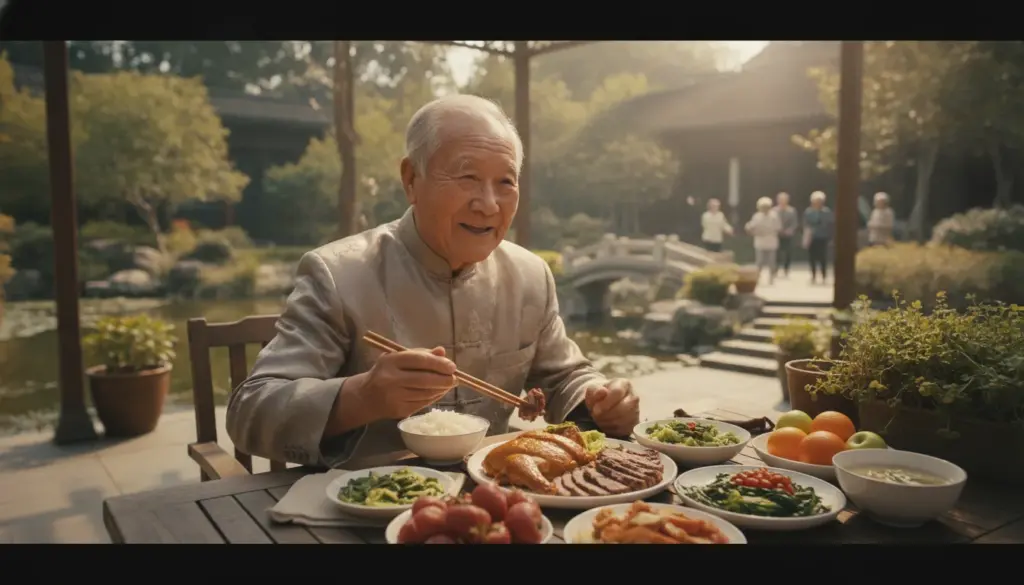
The Surprising Longevity Link
At first glance, enjoying a regular serving of meat might seem like the secret ticket to becoming a centenarian. However, once researchers peeled back the layers of these statistics, a entirely different reality emerged. The defining factor wasn’t the animal protein itself, but rather a widespread danger that plagues our older population: severe undernourishment and dangerously low body weight.
Inside the Centenarian Nutritional Data
These insights stem from the Chinese Longitudinal Healthy Longevity Survey, an extensive project tracking tens of thousands of seniors over time. For this specific breakdown, scientists narrowed their focus to over 5,000 individuals aged 80 and older, monitoring their progress for nearly two decades.
The research team contrasted two distinct groups:
- Seniors who successfully celebrated their 100th birthday during the tracking period.
- Participants who passed away before reaching that milestone.
Alongside lifespan, they closely evaluated dietary habits. Analysts categorized participants based on whether they consumed meat, or if they maintained vegetarian or vegan lifestyles, factoring in the presence of fish, dairy, and eggs.
A striking pattern quickly surfaced in the data. Individuals who completely avoided meat had a noticeably lower probability of hitting the century mark compared to regular meat consumers. The mathematical odds of falling short of 100 were lower for vegetarians (showing an odds ratio of roughly 0.81) and even more pronounced for strict vegans (around 0.71) when measured against omnivores.
While these figures heavily favor a carnivorous diet on paper, experts emphasize that this does not prove direct causation. As an observational analysis where participants filled out a single food questionnaire, there were no controlled clinical trials feeding specific groups more or less meat. Ultimately, the numbers highlight fascinating correlations rather than concrete proof that a pork chop extends your lifespan.
The Hidden Culprit: Muscle Loss and Underweight Seniors
When scientists sharpened their analytical focus, one vital piece of context changed the entire narrative. The apparent disadvantage of a meatless lifestyle was almost exclusively present in seniors suffering from clinical underweight—specifically, those registering a body mass index (BMI) below 18.5.
Within this frail demographic, avoiding meat strongly correlated with a reduced chance of reaching 100. Strikingly, for seniors who maintained a healthy weight or even carried a few extra pounds, the supposed penalty of a vegetarian diet practically vanished.
The core issue uncovered here isn’t a fundamental danger of plant-based eating, but rather a systemic lack of vital energy and protein during advanced age.
For anyone navigating their eighties and nineties, a low BMI is a major clinical red flag. It frequently goes hand-in-hand with:
- Accelerated depletion of muscle mass and physical strength.
- Plummeting bone density, leading to a spike in fracture risks.
- Depleted biological reserves to fight off infections or recover from falls.
- Extended hospital stays and frustratingly slow rehabilitation periods.
In geriatric care, this scenario is quickly classified as malnutrition. When a patient reaches this vulnerable state, every single calorie and gram of protein becomes critical for survival, regardless of whether it originates from a lentil stew or a beef roast.
Why Animal Protein Showed an Advantage
Meat packs an incredibly dense nutritional punch, offering abundant protein, zinc, iron, and vitamin B12 in a very small physical volume. For fragile seniors struggling with diminished appetites, this compact nutrition is highly practical. Just a few bites of chicken can massively boost a senior’s daily protein intake without requiring them to finish a large, filling meal.
Interestingly, the study revealed that the negative outcomes did not apply to seniors who skipped meat but consistently ate eggs, dairy, or fish. These alternative animal products deliver the exact same complete amino acids and crucial micronutrients.
The true medical takeaway isn’t a rigid command to eat meat. Instead, the data whispers a clear directive: ensure a consistent intake of complete, high-quality proteins.
The Geriatric Obesity Paradox
This research also shines a spotlight on a well-documented medical quirk known as the obesity paradox. While carrying excess weight in your thirties or forties dramatically drives up the risk of diabetes, heart disease, and cancer, the biological rules flip in your twilight years.
For octogenarians and nonagenarians, a modest reserve of fat and muscle actually acts as an armor. These slight caloric reserves offer crucial protection when battling acute illness or recovering from surgery. The researchers are quick to point out that a slightly elevated BMI in frail seniors is highly beneficial. While morbid obesity is always dangerous, carrying an extra five pounds means something entirely different to an 85-year-old than it does to a 45-year-old.
Safeguarding a Meat-Free Diet in Later Life
Many individuals passionately eliminate meat for environmental, ethical, or health reasons. This data shouldn’t trigger an abrupt panic to abandon those principles, but it does demand a much stricter evaluation of nutritional quality after celebrating your 80th birthday.
If you prefer a plant-based routine, the daily mission is ensuring adequate energy, vitamin B12, and protein actually make it onto the fork. This is entirely achievable without meat, provided it is meticulously planned.
Crucial strategies for aging vegetarians:
- Pace your proteins: Avoid relying on one massive dinner. Distribute quality protein sources evenly across breakfast, lunch, and dinner.
- Utilize fortified options: Lean heavily on dairy, eggs, and fish if you are pescatarian. For strict vegans, B12 supplements and enriched plant-based alternatives are non-negotiable.
- Boost the calories: Leafy green salads and light soups are wonderful, but they lack the caloric density an aging body needs. Always bolster them with healthy fats and protein-heavy components.
- Monitor the scale: An accidental drop of more than three kilograms (roughly 6.5 pounds) over a few months is a massive warning sign.
- Demand daily movement: Actively fight muscle deterioration through consistent physical activity, ideally incorporating guided strength training.
Spotting the Silent Signs of Malnutrition
Older adults rarely complain about eating too little. Diminished taste buds, chewing difficulties, and simple exhaustion during meal prep can easily suppress hunger. Family members and caregivers must step in with a vigilant eye to prevent physical decline.
Watch closely for baggy clothing, hollowed facial features, struggling to stand up from an armchair, or a noticeable drop in grip strength. Frequent tripping, unexplained bruising, and cuts that refuse to heal are also classic indicators of nutrient deprivation.
If you suspect a senior is fading, consulting a physician or geriatric dietitian is the best immediate step. A targeted nutritional assessment can instantly identify missing elements, allowing for quick dietary pivots like adding protein shakes or reintroducing specific calorie-dense foods.
Shifting Our Perspective on Healthy Aging
While a quick skim of the headlines might suggest that eating steak guarantees a 100th birthday, the scientists behind the data urge extreme caution. They note that the study focused exclusively on a Chinese demographic with unique lifestyle factors and body compositions, meaning the results aren’t a flawless one-to-one match for Western populations.
Nevertheless, the biological truths remain universal. As we approach our seventies and eighties, the greatest threat shifts from eating too much to eating too little. A thoughtfully constructed vegetarian diet remains perfectly viable, but it requires serious vigilance as bone and muscle become more delicate.
For younger generations, this longevity research serves as a fascinating reality check. The pursuit of a perfectly slim physique is not the ultimate health goal for every decade of life. As the years pass, the definition of wellness evolves from staying thin to staying strong, preserving precious muscle mass, and ensuring the body has enough premium fuel to thrive well past 80, and perhaps all the way to 100.