An Iconic Bird Becomes a Tragic Symbol of Pollution
The white stork has long been celebrated as a majestic fixture of the countryside landscape. Unfortunately, this beloved avian is rapidly transforming into a heartbreaking indicator of human-caused environmental decline. Recent scientific examinations in the Spanish region of Aragon have provided concrete data for a problem that experts had long suspected but never fully quantified.
It turns out that a massive portion of these elegant birds are routinely swallowing our discarded garbage. Poor local waste management systems and careless agricultural habits are drastically altering the natural foraging behaviors and overall health of this iconic rural species.
Autopsies Reveal a Massive Environmental Crisis
To understand the sheer scale of the issue, wildlife rehabilitation specialists and local researchers conducted post-mortem examinations on 1,550 storks found across the region. Out of this massive sample, 1,045 individuals contained enough digestive matter to be properly analyzed.
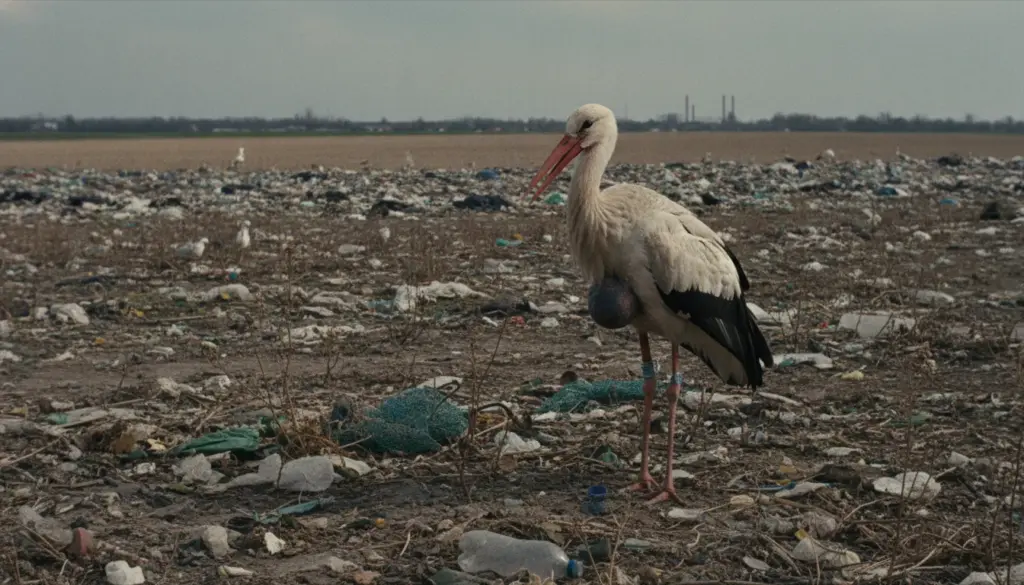
The final numbers are deeply concerning. Investigators discovered that 342 birds—making up 32.7% of the viable sample—had solid synthetic debris trapped inside their digestive tracts.
Even worse, 142 of those affected individuals carried two or more distinct types of trash in their stomachs simultaneously. This overlapping pollution proves that these animals are experiencing chronic, repeated exposure to different human waste sources rather than isolated accidental ingestions.
What Exactly Are These Birds Eating?
Researchers carefully categorized the ingested materials into 12 different groups, using a standard 54-milliliter regurgitation pellet as their baseline volume measurement. Shockingly, everyday rubber bands emerged as the most frequently consumed hazard, appearing in 200 different stomachs and affecting 19.1% of all evaluated birds.
Aside from elastic bands, the avian digestive systems contained a disturbing variety of human debris:
- Silicone (found in 6.3% of stomachs)
- Glass fragments (present in 4.7% of cases)
- Rigid plastics (discovered in 4.2% of birds)
- Metals and aluminum (affecting 2.8% of the sample)
- Miscellaneous scraps including ceramics, leftover fabrics, plant twines, and bamboo sticks.
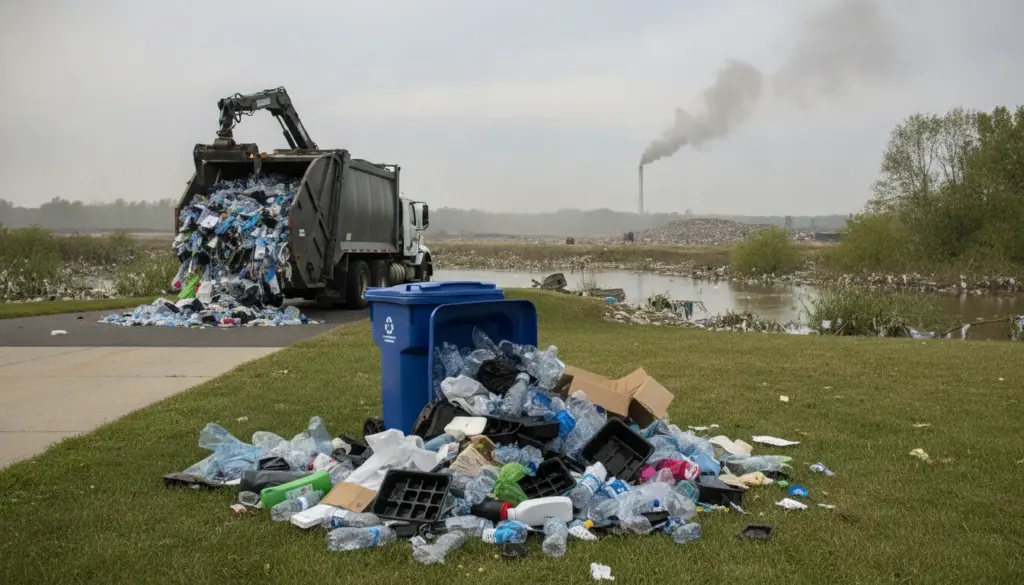
Even microscopic fragments of these everyday materials can severely disrupt a bird’s delicate gastrointestinal tract. Experts directly trace this bizarre, dangerous diet back to storks scavenging for easy meals at open landfills, as well as picking through agricultural fields littered with discarded farming supplies.
The Hidden Health Toll on the Stork Population
While swallowing a piece of plastic might not trigger instant death, it creates a ticking time bomb for the animal’s overall condition. Intestinal blockages accounted for only 0.9% of direct admissions to wildlife clinics, but veterinarians noted five incredibly severe cases where over 200 milliliters of rubber had accumulated inside a single stomach.
Carrying around that much artificial bulk physically prevents the bird from absorbing real nutrients. This forced starvation leads to severe emaciation, chronic weakness, and ultimately, a painful death. Interestingly, this pollution affects birds of all ages and both sexes equally, highlighting just how inescapable the threat has become across the landscape.
Most storks are brought into rescue centers due to sudden physical trauma, with collisions leading the pack at 46.8%, followed by electrocutions (23.7%), nest falls (9.6%), and vehicle strikes (8.3%). However, carrying a stomach full of trash silently weakens their immune systems and saps their strength, making them much more likely to fall victim to these outside dangers.
The scientific community is now urgently calling for better landfill security, modernized farming practices that keep debris out of open pastures, and vastly improved public awareness. Solid waste pollution is already taking a massive, measurable toll on white stork populations, and without immediate intervention, the long-term ecological consequences for our shared ecosystems could be devastating.