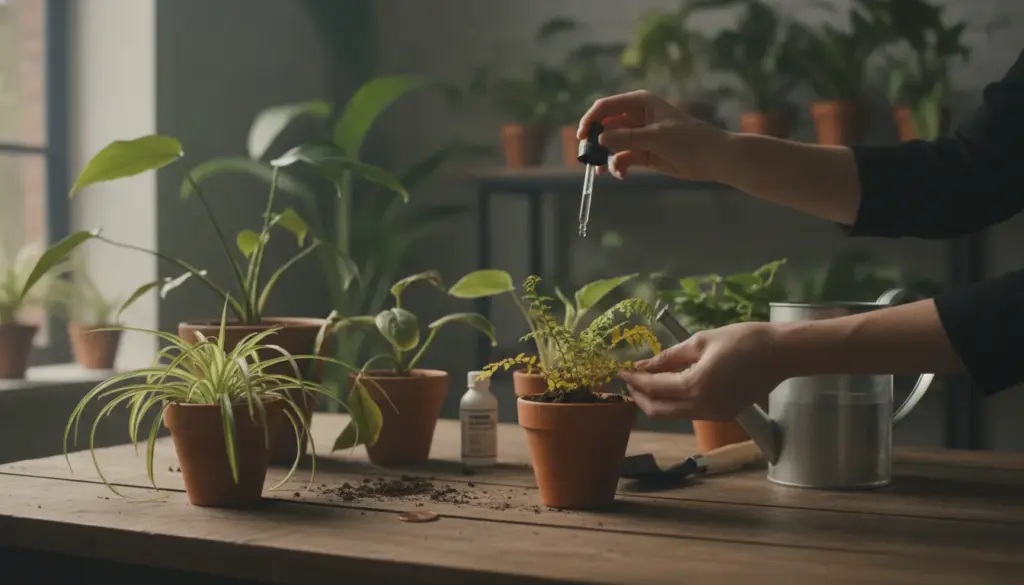
Ditch the pricey store-bought plant foods that drain your wallet and can actually scorch fragile root systems. The truth is, many indoor houseplants begin to wilt simply because their potting soil becomes suffocated and starved of oxygen. Fixing this common issue costs mere pennies, and the remedy is likely sitting in your medicine cabinet right now. We aren’t talking about magic tricks here, but rather basic biology that delivers immediate results.
A Penny-Pinching Trick for Explosive Root Growth
Tending to indoor greenery acts as wonderful, free therapy that naturally lowers blood pressure and calms the nervous system. However, to prevent this relaxing hobby from turning into an endless battle with drooping foliage, you should master a brilliant hack involving hydrogen peroxide. Simply mix a few drops of this common liquid into a glass of room-temperature water. This budget-friendly solution instantly introduces much-needed oxygen directly into the dense soil.
As a result of this extra aeration, the plant’s root system grows incredibly robust and resilient. You will likely notice a visible transformation in just a matter of days. This specific technique works absolute wonders on orchids, delicate African violets, and classic geraniums. Applying this gentle mixture just once every two weeks is all it takes to keep them thriving.
Trading Chemicals for Kitchen Staples: Why Plants Crave Sugar
If you prefer to steer clear of synthetic fertilizers, look no further than your own pantry for nutritional treasures. Certain species, particularly ficus trees and succulents, absolutely thrive on extra glucose. Try dissolving a single teaspoon of standard sugar into a cup of water to use for watering once a month. The immediate reward is vibrant, glossy foliage full of renewed energy.
Then there is the magic of ordinary bananas. Leftover banana peels act as an incredible potassium bomb. Chop the skins up, submerge them in water, and let the mixture steep for twenty-four hours to brew a perfect elixir for roses and begonias. Additionally, plain wood ash serves as an excellent natural antiseptic. Diluting one tablespoon of ash into a liter of water helps neutralize overly acidic potting mix. A quick note of caution: keep this ash water far away from acid-loving beauties like hydrangeas and azaleas, as it will rapidly destroy the specific soil environment they need to survive.
Succinic Acid: A Turbo Boost for Drooping Leaves
Another highly effective secret weapon in your houseplant arsenal is succinic acid. Dissolving just one small tablet into a liter of water creates a phenomenal, all-natural growth stimulator. You can either use this diluted solution to gently mist the foliage or pour it directly at the base to target the root zone. Many indoor gardeners completely overlook this accessible supplement, which is a missed opportunity that often leaves foliage looking sad and limp.
Crucial Mistakes to Avoid Before Reaching for the Watering Can
Keep in mind that even the highest-quality organic nutrients can cause severe damage if applied incorrectly. The most destructive habit is pouring concentrated fertilizer directly onto bone-dry soil, which is the fastest way to cause burnt roots. To prevent this, always pre-moisten the potting medium with plain water before adding any kind of plant food.
What else should you keep in mind for a thriving indoor jungle? Consider these golden rules:
- Houseplants enter a natural dormancy phase between November and February, meaning they do not require heavy feeding during the winter months.
- Never apply any type of fertilizer to a plant currently battling a pest infestation or showing signs of active disease.
- Providing too much nutrients is significantly more harmful than giving none at all.
Smothering your greenery with too much attention often kills them faster than sheer neglect. Always practice moderation when whipping up these DIY botanical treatments. What are your favorite household items to use on your indoor garden? Let us know your top tricks below!