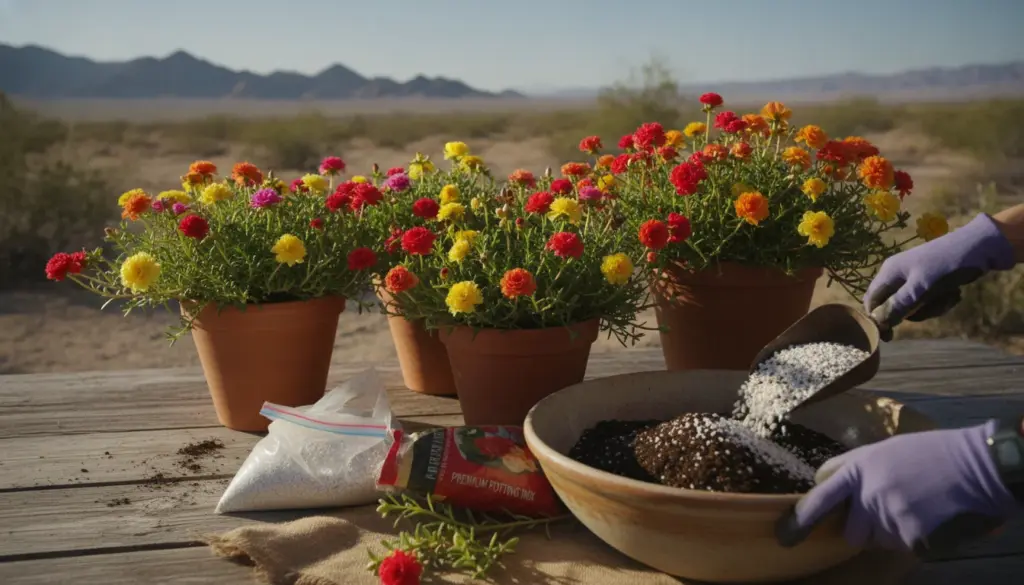
The Right Potting Mix: Building a Healthy Root System
The absolute quickest way to sabotage your container garden is by planting moss rose in dense, moisture-retaining potting soil straight from the bag. This drought-tolerant beauty utterly despises having wet feet. When confined to compacted dirt, the delicate root system will rapidly succumb to rot before you even see the first bud.
There is no secret trick here—just basic horticultural science. To keep your plant thriving, you need to blend standard potting mix with a generous amount of coarse sand or perlite. By mimicking a gritty, fast-draining cactus blend, you ensure excess water escapes immediately. Proper drainage is incredibly crucial for avoiding fungal issues and maintaining vigorous, healthy growth.
Sunlight is Fuel: Why Shade is a Death Sentence
Portulaca is a genuine sun-worshipper that relies on intense light to produce its signature floral carpets. For endless blooming and a dense, lush appearance, these containers require a strict minimum of six to eight hours of direct sunlight every single day.
Placing this sun-loving succulent in partial shade will force it to stretch desperately toward the light. This results in weak, leggy stems and a highly disappointing lack of blossoms. To unlock its full blooming potential, always position your planters on south or west-facing balconies where the afternoon rays are the most intense.
The Golden Rule of Watering: Stop Drowning Your Succulents
Hydration is where the vast majority of novice gardeners accidentally destroy their displays. Unlike thirsty balcony favorites such as begonias or petunias, moss rose requires remarkably little water to flourish. Thanks to its succulent nature, it efficiently hoards moisture within its thick, fleshy foliage.
The critical takeaway here is to grab your watering can only when the potting medium is completely bone dry. Drenching the soil too frequently is a guaranteed method for killing your portulaca. Even during the peak of scorching summer heatwaves, a single deep watering every few days is usually more than enough. Always utilize the finger test to feel for moisture beneath the surface before adding a drop.
Starting from Scratch: How to Successfully Germinate Seeds
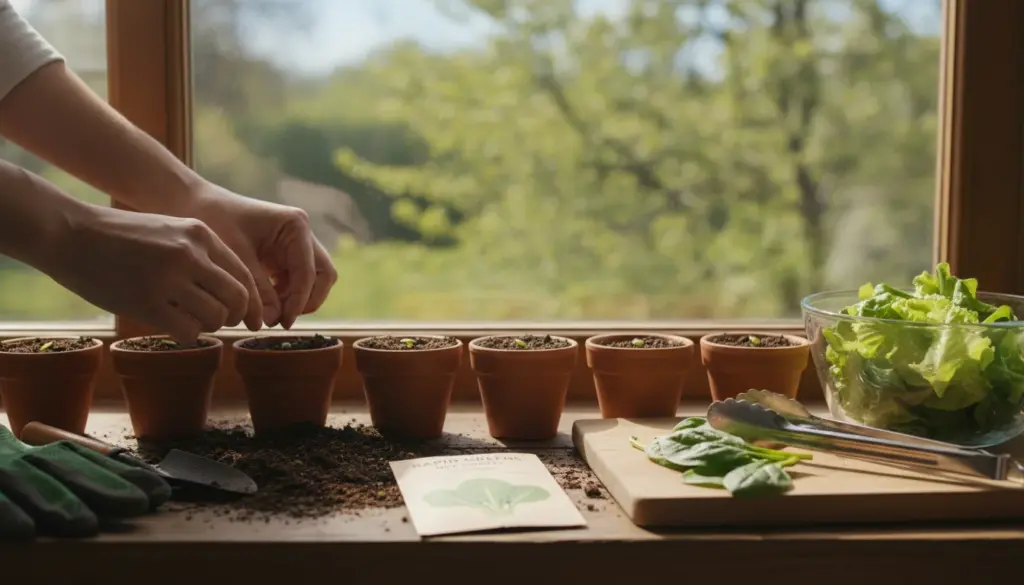
Moss rose seeds are nearly as microscopic as dust particles, meaning they demand a very gentle touch. The most common germination failure happens when these tiny specs are buried deep underground—if deprived of light, they will simply never sprout.
For successful propagation, try following these expert seedling techniques:
- Scatter the seeds directly onto the surface of a pre-moistened starting mix.
- Gently press them down with the flat of your hand to ensure soil contact, but never bury them under a thick layer of dirt.
- Optionally, dust a highly translucent layer of fine sand or vermiculite over the top to act as a lightweight blanket.
- Always use a fine misting spray bottle to hydrate the surface, rather than a heavy watering can that will completely wash the seeds away.
Strategic Pruning Tricks for Explosive Blooming
Snipping away at a flowering plant might feel counterintuitive, but with portulaca, aggressive trimming is highly beneficial. Consistently removing faded blossoms prevents the plant from wasting precious metabolic energy on seed production. Instead, it redirects that vigor into pushing out brand-new floral buds.
If you notice the trailing stems becoming sparse or elongated late in the season, do not hesitate to cut them back by a few inches. This minor stress response naturally forces the moss rose to branch out heavily. The end result is a dramatically thicker, bushier, and more polished container display.
Why Portulaca is the Ultimate Choice for Low-Maintenance Gardens
Cultivating this vibrant succulent in patio pots is incredibly rewarding, especially if your busy schedule prevents daily garden chores. It offers a massive visual payoff with practically zero tedious upkeep.
Here is why this resilient bloomer deserves a spot in your outdoor space:
- It produces a fresh flush of dazzling flowers every single day from early summer until the first autumn frost.
- The foliage is remarkably tolerant of extreme heatwaves and prolonged drought conditions.
- You will not need to worry about complex fertilization schedules or specialized chemical treatments.
- Its cascading growth habit looks stunning in hanging baskets, shallow bowls, and elevated window boxes.
While typically grown as an annual in cooler climates, portulaca has a wonderful habit of dropping its own seeds directly into the container. Do not be surprised if fresh, spontaneous seedlings magically appear to greet you the following spring without any intervention whatsoever.