A Sun-Drenched Escape: Stable Weather and Warm Waters
While northern regions are still shaking off the dreary end of winter, summer is already in full swing on the island of Antigua. Heading to this Caribbean destination in March guarantees a seamless blend of consistently warm days, tranquil shorelines, a deep maritime heritage, and a surprisingly vibrant culinary scene. If you are looking for a picture-perfect getaway right at the edge of spring, this island delivers flawlessly.
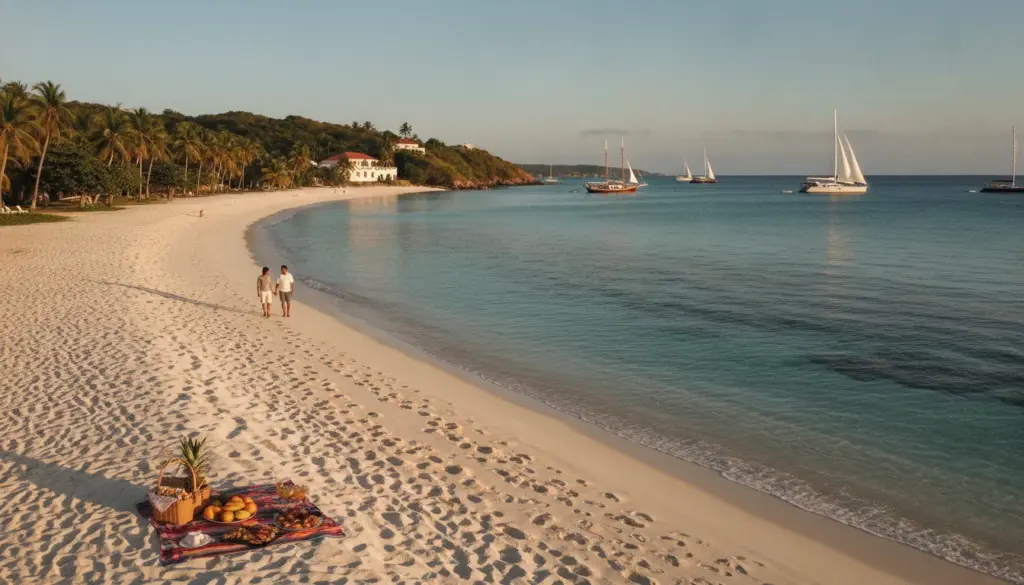
Nestled in the eastern Caribbean, Antigua boasts a distinct dry season during our typical spring months. It is certainly no coincidence that March stands out as a premier time to visit. Daytime temperatures comfortably hover between 27 and 29 degrees Celsius, perfectly complemented by inviting seawater sitting at roughly 26 degrees.
With very little rainfall to interrupt your itinerary, the conditions are phenomenal for snorkeling, boating, and simply lounging on the sand. The ever-present northeast trade winds provide a gentle, cooling breeze, ensuring the tropical climate feels much less oppressive than in other equatorial hot spots. Once the sun dips below the horizon, the air cools down just enough to make an evening stroll by the water or dining al fresco incredibly pleasant. While air conditioning is always a nice luxury, a shaded room with a decent ceiling fan is often all you really need.
Getting There: Journey Times and Island Transportation
Reaching this tropical haven from Europe generally requires a single layover, usually routed through major transit hubs like London, New York, or Miami. Depending on your connections and layover durations, the total travel time spans roughly 10 to 12 hours.
- Average transit time: Approximately 10 to 12 hours
- Early booking flight estimates: Starting around 600 euros
- Best money-saving windows: Traveling outside of official school holidays
Upon arrival at the airport, taxis are readily available to whisk you away. Fares to popular resort areas typically run between 25 and 40 euros, based on your final destination. For those who crave the freedom to explore at their own pace, renting a vehicle is highly recommended. Daily rental rates fall between 30 and 50 euros, making it a very accessible option for families or couples planning to roam the island extensively.
Alternatively, you can hop on the local minibuses. These budget-friendly rides follow established routes, though their schedules can be rather fluid. It is an excellent way to catch a glimpse of authentic daily life, provided you bring a little patience and a flexible mindset.
Exploring the Coastline: A Beach for Every Day of the Year
Antigua famously boasts 365 beaches, playfully suggesting you could explore a new stretch of sand every single day of the year. While this serves as a clever marketing slogan, driving along the winding coastal roads quickly reveals that a beautiful ocean inlet is waiting behind nearly every bend.
If you thrive in a bustling, energetic environment, Dickenson Bay is a prime choice. This highly popular stretch offers pristine white sand, calm shallows, and a lively lineup of oceanfront restaurants and bars. It is the ultimate spot for engaging in watersports, enjoying cocktails, or simply people-watching.
Conversely, travelers seeking absolute tranquility can easily slip away to hidden coves along the southern coast. Many of these secluded spots feature little more than a rustic beach shack and a handful of loungers, allowing you to lay out your towel and soak in the undisturbed azure views in total peace.
For underwater enthusiasts, Cades Reef is a must-visit destination. Located off the southwestern shore and accessible via boat, this reef teems with vibrant marine life and intricate coral formations. The exceptionally calm and clear waters in March make it a premier snorkeling and diving location.
Beyond the Sand: Rich British Naval History
The island’s strategic past as a crucial stronghold for the British Empire is still highly visible today through its well-preserved coastal batteries, historic ports, and formidable ancient forts.
UNESCO Heritage at Nelson’s Dockyard
One of the most remarkable historical sites is Nelson’s Dockyard. Once a vital operational base for the British Navy, this carefully restored marina now proudly holds UNESCO World Heritage status. Today, its striking colonial-era docks and maritime warehouses are filled with art galleries, engaging museums, and upscale dining venues.
Wandering through the dockyard offers a fascinating juxtaposition of 18th-century sailor history and modern luxury yachting culture. Curated exhibits and plaques detail the harsh realities of early naval life, as well as the fierce historical battles fought over lucrative Caribbean trade routes.
Sunset Views and Steel Drums at Shirley Heights
Perched high above this historic harbor sits the famous Shirley Heights. During the day, this elevated vantage point provides breathtaking panoramic views of sweeping green hills, dotted sailboats, and deep blue bays.
However, Sunday evenings transform the plateau into a legendary island gathering. The scent of sizzling barbecue fills the air, while a live steelband sets an infectious rhythm. Sharing a majestic sunset over the Caribbean Sea with a vibrant mix of locals and fellow travelers here is often the absolute highlight of the entire trip.
Authentic Caribbean Flavors: Seafood and Local Staples
Antiguan culinary traditions rely on robust flavors, simple preparations, and incredibly fresh local ingredients. Daily meals are deeply rooted in hearty staples like sweet potatoes, corn, beans, rice, and an absolute abundance of seafood.
- Fungie: A comforting, polenta-like side dish crafted from cornmeal, traditionally paired with fresh catches.
- Ducanas: A unique blend of sweet potato, coconut, and sugar, carefully steamed inside plantain leaves to create a subtly sweet side or dessert.
- Grilled Seafood: Freshly caught fish and shellfish, boldly seasoned with spicy marinades and charred to perfection over an open flame.
To truly experience the culinary heartbeat of the island, head straight to the capital city of St. John’s. The vibrant central market features towering displays of tropical fruits like papaya, guava, and mango, alongside numerous street stalls serving up authentic local bites. Whether you prefer a rich, aromatic fish curry or a simple grilled fillet, the oceanic bounty here is exceptional.
Maritime Atmosphere: The Build-Up to Sailing Week
Sailing is woven deeply into the cultural and economic fabric of Antigua. The island hosts the prestigious Antigua Sailing Week every April, drawing elite yachts and international crews from across the globe. However, the thrilling anticipation begins well beforehand in March.
Even if you do not know the first thing about rigging a sail, the contagious maritime energy is impossible to ignore. Crews are busy running training drills, and breathtaking mega-yachts begin to anchor in prime spots like English Harbour and Falmouth Harbour. Securing a waterfront table for a drink allows you to effortlessly absorb the sophisticated yachting ambiance without ever having to step foot on a boat.
Is This Caribbean Getaway Right for You?
During March, the island attracts a beautifully diverse crowd. You will find families with young children, couples seeking a romantic retreat, groups of friends escaping the lingering cold, and solo adventurers looking for a safe, sun-soaked environment. Its relatively compact size makes navigation straightforward, yet there is more than enough culture, nature, and adventure to easily fill a week or two.
It is worth noting that experiencing Antigua properly does require a healthy travel budget. Flights, daily activities, and accommodations generally carry a higher price tag compared to alternative destinations like Cape Verde or Southern Europe. However, the steadfast guarantee of pristine weather, warm seas, and a seamless blend of relaxation and history makes the investment entirely worthwhile for most.
To maximize your experience, decide on your primary focus before arriving. Water lovers should prioritize kayaking and reef snorkeling, history buffs can map out the colonial forts, and those needing a mental reset can simply book a quiet beachfront boutique to limit their excursions.
If you ever plan a return trip outside of the dry spring months, remember to account for the Caribbean hurricane and rainy season, which typically peaks in late summer and autumn. Securing comprehensive travel insurance that explicitly covers natural weather events is always a smart move to avoid unwelcome surprises.
Finally, for digital nomads hoping to blend work and play, mobile data networks in tourist-heavy zones are generally reliable. However, connection speeds may not consistently rival what you are accustomed to back home. If remote work is on the itinerary, it is incredibly wise to test the Wi-Fi stability in your hotel lobby or a local café before committing to a full afternoon of important video calls.